|
|

Attracting Backyard BirdsiBerkshires 02:37PM / Thursday, April 23, 2009
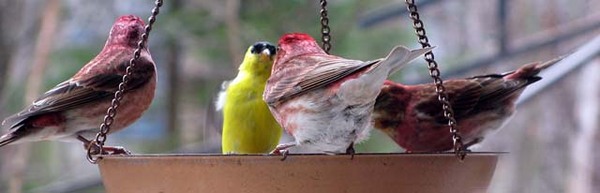
 | | Goldfinch | Attracting birds to your back yard is easy — provide them with good food and water. But luring the more colorful types may require a little more effort and expense to provide the delicacies they prefer.
Most department, garden and home improvement stores offer a variety of bird seeds — from pounds of black oil sunflower to mixes designed to draw specific types of feathered visitors.
Sunflower seeds are the most popular and attract a wide range of birds. The black oil variety is the more nutritious and has a softer shell, making it easier for birds such as chickadees, finches and nuthatches to eat. As its name implies, it contains a high percentage of oil that the birds use to keep their feathers dry during winter.
The striped seeds have a harder shell and are more approprate for larger birds like blue jays and grosbeaks.
The discarded cracked shells can be messy, so homeowners may want to consider the pre-shelled sunflower hearts and chips for birdfeeders on patios.
Cheaper mixed commercial bird seed often includes white millet, which is enjoyed by juncos, blackbirds, sparrows and doves and smaller birds. More expensive safflower seed is high in protein and fat and a favorite of cardinals. As a bonus, it's disliked by squirrels and nuisance birds such as blackbirds.
Finches of all varieties like berries, millet, safflower, sunflower and, in particular, thistle or niger seed. Woodpeckers, chickadees, blue jays, titmice and chickadees will eat peanuts, but not "people" peanuts — make sure they're not salted or roasted. Bags of shelled peanuts can be purchased exclusively for birds and small animals. Cracked corn is a nutritious and inexpensive treat for morning doves, cardinals, chickadees and a variety of other birds.
A number of bird seed companies offer fruit or nut and seed mixtures. You can also create your own feeding mixture based on the types of birds or feeders you have. For a larger feeder, for example, you might want to include extra peanuts and striped sunflower seeds for larger birds; more millet and black oil sunflower seeds in a feeder for smaller birds.
There several different types of feeders: tubes, platform and hoppers. If you only want one, U.S. Fish & Wildlife suggest a sunflower tube feeder with metal feeding posts or a metal hopper style. Suet holders are good for nuthatches, woodpeckers and chickadees; doves, juncos and others prefer ground feeding or platforms.
It's important to keep the feeders clean; old or moldy food can cause sickness and spread disease. Bird seed both in the feeders and stored away should be kept clean and dry. Sealed plastic tubs or buckets are good for storing bird food. Fish & Wildlife suggests cleaning feeders with a solution of 10 percent bleach and water (rinse thoroughly).
Clean bird baths or fountains should be provided for water if there's no nearby natural source; don't set feeders in front of glass doors or windows to prevent fly-ins. Putting grilles or suncatchers on your windows can help prevent that as well.
Keep squirrels at bay by using safflower or squirrel-proof feeders (if such a thing really exists), or offer them their own easily accessed feeding station. Bribery, in this case, can be a good thing.
Keep your cats inside and beware of bears — feeders should be taken down in the spring and fall.
Now get a birding book to identify all the feathered friends in your back yard. |
Home & Garden Home
|
|
|