A Conversation On Conservation At The Clark
WILLIAMSTOWN - The Williamstown Art Conservation Center (WACC), located at Stone Hill Center on the campus of the Sterling and Francine Clark Art Institute, has treated Vincent van Gogh's Irises, Thomas Hart Benton's American Today murals, Jackson Pollock's Number 2, 1949, and many works in the Clark's collection.WACC, a nonprofit organization, is the largest regional conservation center in the country. On Sunday, June 1, at 3 pm, Tom Branchick, director of WACC, will highlight dramatic "before" and "after" results during the free lecture, "A Conversation on Conservation" held in the auditorium at the Clark.
Founded in 1977 to address the conservation and preservation needs of a small consortium of collecting institutions in the Northeast, the center now serves more than 53 member museums and historical societies, as well as many individuals and corporations. WACC conservators also manage and staff the Atlanta Art Conservation Center, established 2001 in partnership with the High Museum of Art.
WACC is a full-service facility treating objects ranging from historic artifacts, antiques, and heirlooms to some of the most important paintings, watercolors, drawings, photographs, sculpture, and furniture in the United States. WACC is the only regional lab that provides a full range of scientific and analytical services. Such services are useful to collectors, curators and art historians who seek information that may help to date or authenticate a work of art, or who wish to explore an artist's technique or establish a history of alteration. Conservators use scientific analysis for all of these purposes, as well as to understand the physical composition of an object in order to decide on the best course of treatment. The new facility includes an 11 foot by 11 foot imaging room, one of only three on the East Coast.
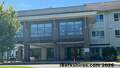
The 32,000-square-foot Stone Hill Center designed by Tadao Ando blends gracefully into the hillside just south of the Clark's main entrance, where it is integrated into the surrounding 140-acre campus through a network of scenic trails. The two-story, wood-and-glass building provides generous vistas of the countryside, with a terrace and outdoor café offering a panorama of the Green Mountains and Taconic Range. Stone Hill Center houses two intimately scaled gallery spaces, a terrace café, and WACC. The building's design provides visitors on the terrace or in courtyard with the chance to see conservators at work in their studios. Stone Hill Center's exhibition galleries open to the public on June 22.
The Clark is located at 225 South Street in Williamstown. The galleries are open Tuesday through Sunday from 10 am to 5 pm (daily in July and August). Admission June 1 through October 31 is $12.50 for adults, free for children 18 and younger, members, and students with valid ID. Admission is free November 1 through May 31. For more information, call 413-458-2303 or visit www.clarkart.edu.