EZ-FitNews: Drinking the Right Fluids
 |
My name is Joanna Ezinga and I am a certified personal trainer and triathlon coach living in the Berkshires. My goal in writing this column is to provide ideas and information to help you live a dynamic life.
A friend of mine recently commented, "I want to be healthy and active for as long as possible." Sounds like the right idea to me and this column can help — with sound fitness advice, creative solutions, inspiring articles about real people, and updates on the latest research.
As we come into the warmer months, an article on hydration seems appropriate. Ever wonder what you should drink during exercise — water, sports drinks, fruit juice, an ice-cold beer? There is a lot of hype and quite a bit of confusion about the best choice.
The number of new exercise drinks has increased dramatically and are promoted with slick marketing campaigns boasting special ingredients, improved performance, and all natural ingredients. These new drinks are pricey too, upwards of $3 a bottle!
Another concern is size — most drinks are sold in 16- to 32-ounce bottles. A standard serving size is 8 ounces. The nutritional panel is based on the serving size, not the number of servings in the bottle. So if you drink the whole bottle, you are getting two to three times the amount of calories and sugar you might expect.
What exactly is a sports drink? A beverage specifically designed to help athletes rehydrate and replenish electrolytes, sugar, and other nutrients depleted during strenuous exercise.
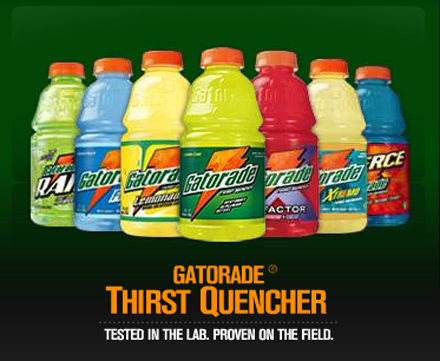
The first sports drink, Gatorade, was created in 1965 at the University of Florida to improve the performance of the Florida Gators football team during long, hot summer practices. By all accounts, it made a big difference and has been credited with helping the Gators defeat longtime rival Georgia Tech.
 But the new wave of designer drinks are getting mixed reviews and with a sedentary American population more likely to watch the game on television than play it, do we really need super-sized sports drinks?
 Generally the answer is no. These drinks might be appropriate for endurance athletes, those engaged in sports competitions, or participating in more than an hour of sustained physical activity. But for the average person doing a low- to mid-intensity workout in the gym, it offers unnecessary calories, sugar and salt. Here are the stats on some of the popular drinks.
Gatorade Original — a 32-ounce bottle has 200 calories, 56 grams sugar and 440 milligrams of sodium. It is made by Quaker Oats, a division of PepsiCo.
Powerade — a 32-ounce bottle contains 280 calories, 76 grams of sugar, 220 milligrams of sodium. Powerade is Coca-Cola's answer to Gatorade.
Glaceau Vitamin Water — depending on the variety, a 20-ounce bottle has about 120 calories and 32 grams of sugar. As the name suggests, added vitamins are the key selling point. If there was a serious problem with malnutrition in this country, Vitamin Water would be a terrific solution. But since there is an epidemic of obesity and diabetes, you are better off getting your vitamins from the food you eat or a high-quality, calorie-free vitamin pill.
Polar Fruit-Flavored Mineral Water — 0 calories, carbonated water, natural fruit flavorings. It offers a more interesting taste than water, without the additional calories, sugar and electrolytes.
Natural fruit juices — The amount of calories, sugar, sodium and vitamin content will vary with the type of fruit. Choosing an all-natural fruit juice like apple or orange is a good alternative when you want calories, energy, nutrients and something to satisfy your sweet tooth.
 Water is No. 1 — Mother Nature still does it better. Water has zero calories, no added sugar or ingredients. Unless you are a true high-performance or endurance athlete, losing valuable electrolytes, water is the best way to hydrate.
 Drink plenty of water this summer — about 8 ounces for every 20 minutes of work or play in the sun and have fun!
Joanna Ezinga is certified by the American Council on Exercise as a personal trainer and as a triathlon coach through USATriathlon. She specializes in fitness for women and is the creator of Give It A Tri Coaching for the Beginner Triathlete, a program that prepares ordinary women to do their first triathlon. She can be reached at joezinga@fairpoint.net.
We welcome Joanna to iBerkshires. Her column will run once a month.