Readsboro Eyes Windfall From Turbine Project
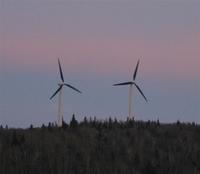 |
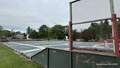
| Turbines along the ridge in Searsburg, Vt. [Photos by Jen Thomas] |
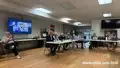
Attorney Richard Saudek, a Montpelier lawyer who is representing both Readsboro and Searsburg in negotiations with Deerfield Wind LLC, fielded questions from several town residents regarding the terms of the agreement that the Select Board is expected to sign in the coming weeks. The project will see 17 total turbines added to the ridgeline that already boasts 11 windmills owned by Green Mountain Power Corp.
Saudek said the town would be guaranteed at least $154,000 per year based on a formula outlined in the agreement that calculates the fair-market value of the project. However, because of an inaccurate municipal budget figure, the Select Board and Saudek called the numbers obsolete and noted that an updated number would need to be calculated.
"The tricky part is because of the way taxes and budgets work. There's different effects on different towns," Saudek said.
The $154,000 was determined by a system that valued the Readsboro portion of the project at $18.3 million and will be paid either through taxes or through what the proposed agreement calls a "supplemental payment."
Residents Forrest Hicks and Larry Hopkins were vocal about ensuring that the town hold Deerfield Wind to the agreement. Both men raised questions about when and under what circumstances the company would be paying the town for use of its land.
"It's a volatile market. If the cost of bulk power doubles, what is the effect on the payments?" Hicks asked.
.jpg) Saudek, who has worked on similar turbine cases in the past, told the crowd that Deerfield Wind would most likely contract deals with energy companies rather than sold "into the power pool." For that reason, most of the revenue on their end can be anticipated. However, some of the energy output may be tied to the market; in that case, taxes will go up as prices rise.
Saudek, who has worked on similar turbine cases in the past, told the crowd that Deerfield Wind would most likely contract deals with energy companies rather than sold "into the power pool." For that reason, most of the revenue on their end can be anticipated. However, some of the energy output may be tied to the market; in that case, taxes will go up as prices rise.Zoning Administrator Rodney Salamone expressed concern about the possibility of federal intervention because the project will be constructed on federal land.
"I don't think the federal government will come in and take money intended for Readsboro," Saudek said.
Because the discussion was brief and an explanation of some portions of the agreement were lengthy, Saudek vowed to respond to a few lingering questions via e-mail. His items included Salamone's question of jurisdiction, if payments could begin during the construction phase, the possibility of providing accurate budget numbers to the board by December rather than the April deadline and avenues the town can explore if Deerfield Wind defaults on their payments.
"I've never done this kind of a hearing before since these negotiations are typically behind closed doors but I'm glad we did it," said Saudek.
On Wednesday, Vice Chairwoman Charlotte Clark released Saudek's research on the meeting's follow-up questions and noted that the re-calculated formula could see the minimum yearly payment raised as much as $50,000 from $154,000.
"I have alerted the Deerfield Wind lawyer to this likelihood and he'll have to brace his client for it," Clark said.
Saudek also said he expects the turbines all to be erected within one construction season and will not be taxed during that time period.
The project is still under review by the state Public Service Board but expects to begin moving forward soon. The 17 turbines will result in 34 megawatts of capacity and produce enough energy to power more than 14,000 average Vermont homes. To be built mostly on National Forest land and a smaller portion of private land, the wind project is expected to last at least 20 years.