Biofuels Could Be Boon for Bay State
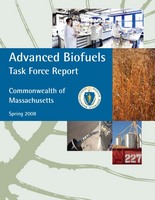 |
That was just one of the findings of the Advanced Biofuels Task Force, which released its final report on Wednesday.
One of the major points the task force made was the importance of developing a low-carbon fuel standard to frame the development of the state's biofuels industry.
Gov. Deval Patrick, along with Senate President Therese Murray and House Speaker Salvatore DiMasi, the state leaders who charged the task force to explore biofuel policies, endorsed the development of a standard that would set limits on greenhouse gas emissions.
"A Low-Carbon Fuel Standard is the next step in encouraging the growth of our clean energy sector," said Patrick in a statement. "We get our fuels from a regional market, so the best way to encourage alternatives to petroleum is through a regional approach.
"Developed and implemented with our neighbors, with whom we're already cooperating to reduce greenhouse gas emissions from electric power plants, a regionwide Low Carbon Fuel Standard will have a profound impact on emissions from transportation and heating and spur the growth of the clean energy industry."
The report recommends a "technology neutral" approach to achieving the standard. That way, say task force members, the marketplace will "drive the development of alternative fuels and technologies at the lowest cost."
"The problem with some states that we've seen is that they're putting the dollar before the environmental resources," said Sen. Benjamin B. Downing, D-Pittsfield, one of three state senators appointed to the task force.
An informed policy on biofuels has to take into account land use and food resources, he said.
For example, some Midwest states have invested heavily in ethanol based on their corn industry, which could have an impact on food resources — the more land used for biofuel the less there is for food production, which can lead to deforestation to clear more space for food crops.
Massachusetts can't compete on that level agriculturally and shouldn't anyway, said the report.
"We're looking at woody brush, we're looking at algae, we're looking at other cellulosic-based biofuels," said Downing. "Hopefully, we can create a market for non-food-based stocks."
According to the report, many of these biomass fuels could be derived from feedstocks on "agriculturally marginal lands" that would not need massive clearing or fertilizers, and would not compete with food production. It also advised researching waste products, such as vegetable oils from restaurants.
The report also advises more research into the use of waste products, tax incentives and credits, a temporary cellulosic fuel gas-tax exemption to make it more competitive, grants and loans to attract biofuel research facilities, private-public research and educational partnerships, regional cooperation and investment in a delivery infrastructure that is now geared "almost exclusively" to petroleum products.
California is the only state in the nation to adopt a Low-Carbon Fuel Standard, and is now developing regulations to put the standard into effect.
"I applaud Massachusetts and Governor Deval Patrick and legislative leaders for taking bipartisan action to fight global warming today by adopting a Low Carbon Fuel Standard modeled after California's," said California Gov. Arnold Schwarzenegger in a statement. "By requiring fuel providers to reduce the carbon intensity of transportation fuels, our Low-Carbon Fuel Standards will reduce our dependence on oil, boost our clean technology industry nationwide and reduce greenhouse gas emissions."
Patrick has directed Secretary of Energy and Environmental Affairs Ian Bowles, chairman of the task force, to begin developing standard that other states and Canadian provinces could consider adopting. The governor also said he would reach out his peers on the Regional Greenhouse Gas Initiative to explore development of a regional standard.
The task force spent five months researching biofuels and taking testimony at four public hearings, including one held in Lenox earlier this year.
"Advanced" biofuels — fuels generally derived from non-food-based feedstocks and defined in federal law as those that yield a net lifecycle reduction in greenhouse gas emissions of at least 50 percent compared with fossil fuels — offer the greatest potential benefit for both the environment and the economy in Massachusetts, the task force found.
"The task force recommendations will propel the commonwealth toward its goal of becoming a world-class center for the research and development of commercially viable advanced biofuels," said Downing. "Our report aggressively moves this sector forward while prioritizing the maintenance of the very highest environmental standards."
For the full report of the Advanced Biofuels Task Force, click here for a PDF version or here for a Scribd version.