Endangered Turtles Get Headstart at Museum
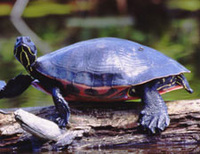 |
Over an eight-month period, 10 turtles — known as northern red-bellied cooters — were kept warm and fed in the museum's aquarium section. It's all part of a "headstart" program to help the endangered species thrive in their small pocket of Massachusetts.
"We're really at the very northernmost point of their habitat," said aquarium manager Scott Jervas on Friday, after dropping the cooters off at MassWildlife in Westborough. "We're trying to push the habitat out a little bit."
And that habitat is small — about a dozen ponds in Plymouth County. When the headstart program began in 1984, there were an estimated 300 turtles. Now they number in the low thousands.
Over the past 20 years, some 2,000 of the young reptiles have been fostered and returned to the wild.
The museum joined the program in its early years, said Jervis, and usually brings about 10 of the creatures to the far western corner of the state to spend the winter months in water tub kept at a balmy 86 degrees.
The turtles breed late in the year and lay about 14 eggs; they don't reach reproductive maturity until at least 13 years. The cooters can live up to about 70 years.
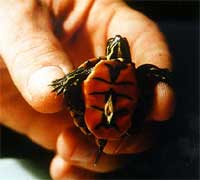 Their limited habitat (caused in part by human encroachment) within about a dozen small ponds in Plymouth County and their slow movement leaves their young vulnerable to a host of predators. Their small size and high nutritional needs in their formative months also takes a toll on the species' ability to winter over.
MassWildlife and volunteers literally stake out the nests and scoop the baby turtles up when they hatch to prevent herons, bullfrogs and other predators from snatching them up. They're divvied out to between 15 and 20 zoos, schools, aquariums and volunteers across the state. This year, about 150 were fostered.
"They're constantly supplied with food — primarily romaine lettuce — and have to eat a lot to extract what little nutrition there is," said Jervas, who's been at the museum for 12 years.
What goes in eventually comes out — and a lot of it. The museum tried to care for 16 turtles one year, but that was just too messy, he said.
But all that food translates into rapid growth. "They're about the size of a quarter with a little head and legs when we get them," said Jervas. "They grow to over 2 pounds over the eight or nine months."
The turtles pack on 50 to 70 grams a week and have to be weighed and measured regularly and that falls to the students from Miss Hall's School who are part of an intern program at the museum. By the time the turtles are ready to be released in the spring, they've reached a size that keeps them safe from most predators
They're the second largest freshwater turtle in the state, with adults reaching more than a foot long and weighing up to 10 pounds.
The fostered turtles were returned to MassWildlife on Friday for their final weigh-in; they were released back into the wild on Monday.
Jervas brought his now big turtles to join their cousins and catch up with fellow fostering volunteers at the traditional cookout afterward.
"It's always good to see everyone and compare notes," he said.
Photo from the Berkshire Museum.