Keep Farming Initiative Launching in North Berkshire
 |
The launch of Northern Berkshire Keep Farming and related discussion will be held at First Baptist Church at 131 Main St. on Monday, Oct. 24, beginning at 7 p.m.
This meeting will focus on agriculture and it will be considerably more involved than the other break-out groups related to Sustainable Berkshires' county and municipal planning.
Over the next six months, Keep Farming volunteers will carry out extensive surveys of food resources, agricultural patterns, the economics of local food, local food supply and demand, crops grown in the area, the health and economic sustainability of farming in our region and more.
The size of the project means there is plenty to do for those wishing to be involved. Support and supplementary resources will be provided by Sustainable Berkshires and Glynwood Institute for Sustainable Food and Farming, the organization behind the Southern Berkshires and Northampton Keep Farming initiatives, both of which are already in progress or nearing completion.
The nonprofit Glynwood, located in Cold Spring, N.Y., has developed a model for communities, working in collaboration with government agencies, to develop and implement plans to promote and protect agriculture and open space through community stewardship.
Jay Walsh, volunteer coordinator of Northern Berkshire Transition, a local group that aims to bring area residents together to strengthen the sustainability and economic foundation of the region, is one of the core group of volunteers.
"There's that old saying — you don't know what you've got 'till it's gone," said the North Adams resident. "We need to understand what we've got so we don't turn around in 10 years and say — 'gee, where did all that farmland go?'"
The group will work to provide local farmers, restaurants, food suppliers and retailers with the information needed to support, sustain and strengthen agricultural resources in the region for the long term.
"The information that will be garnered through the agricultural tool is not normally available to your communities," said Amy Kacala, senior planner with Berkshire Regional Planning Commission. "What we've seen where we've tried to use the information through the tax roles is that the information available is outdated and incorrect.
"This will give the agricultural commissions more accurate information to work from. Until you have that real baseline information in your hands as to who your farmers are, what they're doing, and so on, you can't be really effective."
Virginia Kasinki, director of community based programs with Glynwood, said, "This is really an effort to give the communities the information they need and to start putting in place the support systems they need to keep agriculture here."
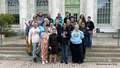
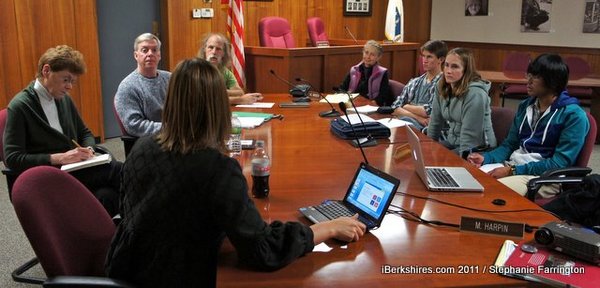
Another core member of the volunteer group is Susan Gardner, who teaches environmental planning at Williams College. Three of Gardner's students, Aaron Freedman, Sara Dorsey and Brandon Abasolo, have expressed such interest in the project and will be spearheading the "Supply and Demand" committee.
Participants will have the opportunity over the course of the enveing to break into working groups and make their feelings known about the current state of farming in our community and also about how North Adams can create the best conditions for farming in the future.
All are welcome. Refreshments will be served.
Stephanie Farrington is a freelance writer in North Adams. You can reach her at stephanie.farrington@gmail.com.
Tags: agriculture, Sustainable Berkshires,