Buds, Twigs, and Bark: How to Identify Trees and Shrubs in Winter
Print Story | Email Story
PITTSFIELD, Mass. — Join Chelsey Simmons of Berkshire Environmental Action Team (BEAT) for the February Berkshire Green Drinks virtual event to explore the buds, twigs, and bark of common trees seen in the New England landscape. 
 
It may be surprising, but winter is actually an excellent time to learn how to identify woody plant species. The absence of leaves allows for the opportunity to take a closer look at the characteristics that are often overlooked, like the subtle features of a twig, the arrangement of buds, and the overall form and structure of a tree. Chelsey will go over the steps to tree identification, break down twig morphology, and give helpful hints on remembering one species from another — all of which will aid in tree and shrub identification year-round.
 
The presentation will be live-streamed via Zoom at 6 PM on Wednesday, February 14. Registration is required to receive the meeting link. Register at: http://tinyurl.com/Feb2024-Berks-Green-Drinks
 
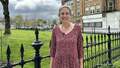
Chelsey Simmons is the programs director for Berkshire Environmental Action Team, a nonprofit based in Pittsfield, Massachusetts. As part of her work for BEAT, she leads numerous naturalist walks throughout Berkshire County year-round. For the past few years, she's been working on an identification book of trees and shrubs found in western Massachusetts, meticulously drawing and painting each page by hand and sharing those pages with the public through BEAT's "Tree of the Month" series with the hope of getting people excited about trees and interested in the native species found in our region.
 
Berkshire Green Drinks (formerly Pittsfield Green Drinks) is an informal gathering that takes place once a month. A guest speaker talks for about 30 minutes beginning at 6 PM, and the presentation is followed by a discussion and Q&A. These nights are free and open to everyone with any environmental interest. 

Tags: BEAT,   
If you would like to contribute information on this article, contact us at info@iberkshires.com.

CBRSD Makes Cuts to Lower Town Assessments

By Sabrina DammsiBerkshires Staff
DALTON, Mass. — School officials say reductions in the Central Berkshire Regional School District's budget will be felt, but remain optimistic that it will not prevent them from being "the best regional district in the state."
 
Throughout the budgeting season, officials said they strived to keep the seven member towns informed amid contractual increases outside their control and concerns with a state aid funding formula described as "remarkably wrong."
 
The initial budget was about a 9 percent increase, but with "strategic reductions" the district was able to cut that down to 2.99 percent, bringing the total budget to $37,740,005. 
 
"This was no small feat," said Paul Farella, district's Finance Committee chair.
 
In earlier budget drafts, towns voiced concerns over significantly higher assessments, which ranged from approximately 7 to 15 percent, compared to prior years, when it was about 2 to 7 percent. 
 
With the revised budget, projected net town assessments are: 
  • Becket for $2,859,205, an increase of 5.49 percent
  • Cummington for $670,246, an increase of 5.11 percent 
  • Dalton for $10,106,445, an increase of 5.86 percent
  • Hinsdale for $3,277,495, an increase of 10.54 percent 
  • Peru for $1,083,751, an increase of 6.11 percent 
  • Washington for $826,774, an increase of 6.64 percent
  • Windsor for $995,438, an increase of 9.37 percent
"[The cuts] will be felt, but we believe that it is what is necessary for the time being to not overburden our towns while still being able to provide a quality education to our community," Farella said. 
 
Delivering high-quality education while responsibly managing public funds in a district, which like many rural areas, faces financial constraints is a duty Superintendent Michael Henault said he takes very seriously.
View Full Story

More Pittsfield Stories