Are good things happening at Kampoosa Bog? Some environmentalists think so
STOCKBRIDGE — State Secretary of Environmental Affairs Ellen Roy Herzfelder will join a slew of environmental groups, state officials and local landowners Thursday in what should amount to a giant love fest at the Kampoosa Bog, in hopes of continuing to work together to preserve it as one of the state’s natural treasures.
While Herzfelder is expected to officially award the Berkshire Regional Planning Commission a grant to continue studies of the fragile fen, considered the state’s most pristine, the main idea is to introduce Herzfelder to it and to applaud the work of a diverse group of partners who have worked together to protect it over the past decade.
“This event is really to plump ourselves on the back and say what a good job we’ve done. And we have,†said Judy Spencer, chairwoman of the Kampoosa Stewardship Committee. “People have been there because they wanted to preserve the bog, and in the process have learned a lot about various organizations and what they’re doing.â€
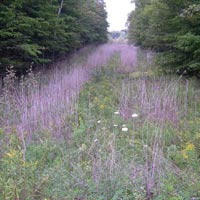
Among the “stakeholders†are agencies and companies about as far from “environmental†as one might think, including the Massachusetts Turnpike Authority, the Massachusetts Highway Department and the Tennesee Gas Pipeline Authority. The turnpike and Route 7 traverse the bog, as does a major gas pipeline, and all have contributed in some way to its potential pollution, through road salt or invasive plants — most notably tall grasslike plants known as prhagmites, and the choking purple loosestrife.
Spencer credited the two state road agencies and the gas company for going beyond the call of duty to help preservation efforts.
The Nature Conservancy of Sheffield has also contributed significantly, employing volunteers since 1995 to hand-cut the oppressive phragmites, bag thousands of pounds for removal and gently employ herbicides to kill the evil weed without damaging the bog.
“This meeting we’re having Thursday is an excellent opportunity to show what we have done — it’s such an interesting collaboration — and also to talk about where we’re going in the future,†said Jessica Murray, the conservancy’s ecological restoration coordinator. “Kampoosa is kind of a rare find. We don’t have a lot of sites left like this.â€
The bog, whose drainage area contains 1,350 acres, about 225 of them in Lee and the rest in Stockbridge, harbors 23 known rare plant species, two known rare animal species and many other unusual ones, according to conservancy literature.
“Kampoosa Bog is arguably the state’s most significant freshwater ecosystem, providing habitat for rare species that are found at very few other sites in New England,†state’s material on the conservancy’s Web page.
State environmental officials have long been champions of the bog as well, proclaiming it an “Area of Critical Environmental Concern.â€
Because all of the bog and most of the land surrounding it is privately owned, state officials and environmentalist groups have also applauded the efforts of landowners too numerous to count, who have also backed preservation efforts.
Among those expected to join Thursday’s meeting are representatives from the following groups: the Stockbridge and Lee Land Trusts, Stockbridge and Lee Conservation Commissions, The Nature Conservancy, the Congregation of Marion Fathers, Tennessee Gas Pipeline Company, the Berkshire Regional Planning Commission, state Department of Parks and Conservation, the ACEC Program, the state Natural Heritage and Endangered Species Program, state Department of Fisheries and Wildlife, Mass Highway, the Turnpike Authority and the Massachusetts Historical Commission.
Members of the public have been asked not to attend for fear that large numbers of people could be a detriment to the fragility of the bog.
More information about Kampoosa may be found at local libraries, at www.lastgreatplaces.org or by performing a simple search on any Internet search engine.
If you would like to contribute information on this article, contact us at info@iberkshires.com.
Your Comments
iBerkshires.com welcomes critical, respectful dialogue. Name-calling, personal attacks, libel, slander or foul language is not allowed. All comments are reviewed before posting and will be deleted or edited as necessary.
No Comments
Dalton Day Returns This Saturday
By Sabrina DammsiBerkshires Staff
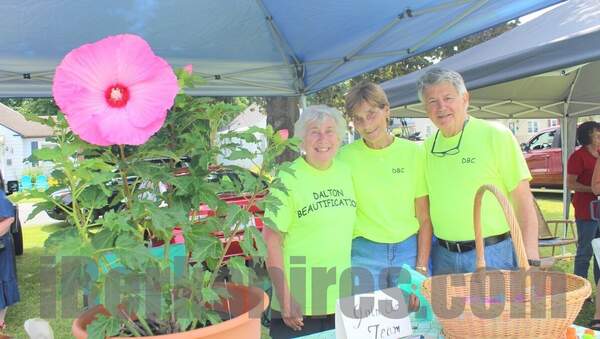
DALTON, Mass. — The town's popular Dalton Day festival is returning this weekend after a year's hiatus.
The event will kick off this Saturday at 11 a.m. and runs until 4 p.m. in the field in front of the Senior Center.
The community celebration was established in 2023 by the Cultural Council in an effort to increase resident participation at town meetings while also showcasing the area's welcoming, diverse, artistic and sporty atmosphere. In 2024, the event brought together 300 residents.
"The primary mission of Dalton Day is to foster a strong sense of community, build civic pride, and bring residents together through a shared celebration of local culture, music, and food," said Jeannie Ingram, Select Board member and cultural council chair, and Lori Venezia, executive assistant to the town manager.
The event provides an accessible and free platform for "civic education, community bonding, and supporting local businesses, artisans, makers, and culture more broadly," they said.
The festival strengthens the fabric of the town both civically and economically by connecting grassroots organizations with residents, fostering a shared sense of belonging, and providing free, family-friendly entertainment.
It also serves as an opportunity for community members to meet with local officials and a couple of state officials. State Sen. Paul Mark and state Rep. Leigh Davis will be coming from Beacon Hill to speak at the event.
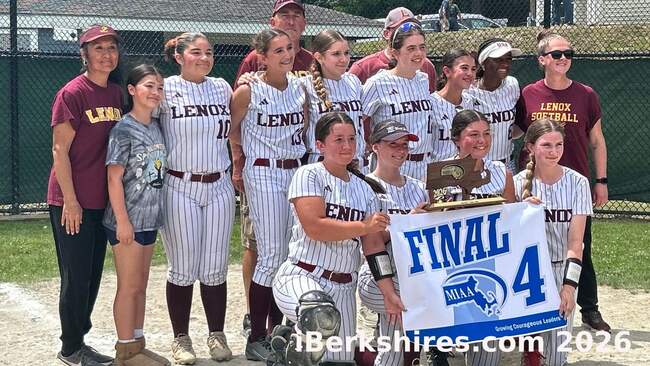
Cassidy Flynn scattered five hits in a complete-game effort in the circle as Lenox upset top-seeded Hoosac Valley, 3-2, in the quarter-finals of the Division 5 State Tournament. click for more
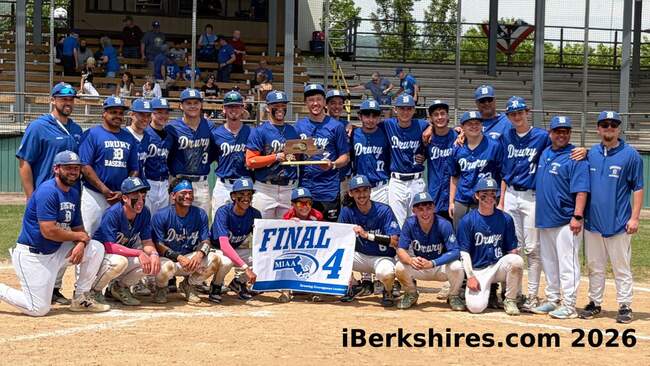
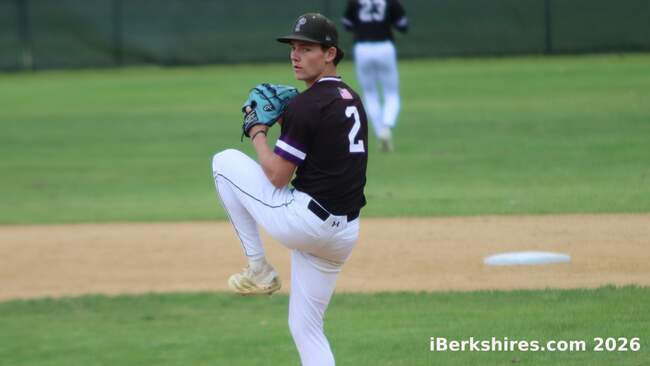
Brayden Durant struck out seven and walked one in a complete-game effort on the mound Saturday to pitch the Drury baseball team to a 6-0 win over Keefe Tech in the quarter-finals of the Division 5 State Tournament at Joe Wolfe Field. click for more
Jason Codey struck out 13, walked two and allowed just an infield single as the Generals earned a 7-1 win over Wahconah to claim their third straight regional title. click for more
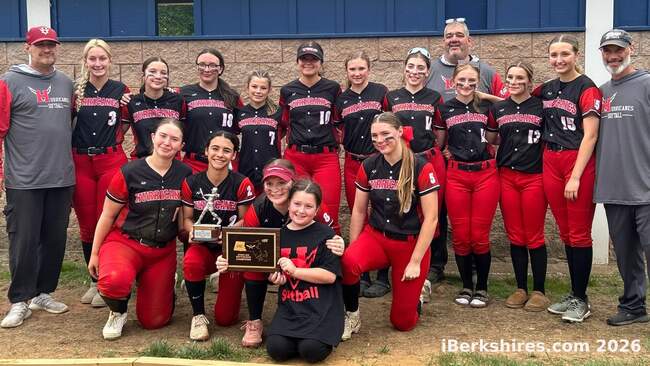
Gracelyn Wright struck out eight, and Genevieve Lagess went 3-for-5 with four runs batted in as the Hurricanes beat Monson, 17-3, to claim their first Western Mass title in four years. click for more