Understanding more about these diseases can help you protect yourself and your family when you’re enjoying time outdoors.
Few words strike more fear in outdoor enthusiasts than West Nile virus or encephalitis. Understanding more about these diseases can help you protect yourself and your family when you’re enjoying time outdoors.
West Nile virus and encephalitis viruses come in many forms, but have two things in common – a nonhuman primary host and an infected blood-feeding arthropod, such as a mosquito or tick, according to Dr. Fabio Del Piero, DMV, assistant professor of pathology at the University of Pennsylvania.
Dr. Del Piero says there are five main arboviral agents of encephalitis in the United States that are transmitted by mosquitoes: West Nile virus (WNV), eastern equine encephalitis (EEE), western equine encephalitis (WEE), St. Louis encephalitis (SLE), and La Crosse encephalitis (LAC). Another virus, Powassan, is a minor cause of encephalitis in the northern United States, and is transmitted by ticks. Most encephalitis cases occur from June through September, when these pests are most active.
A majority of human infections are asymptomatic or result in flu-like symptoms. In a very few cases infection may lead to encephalitis, which can be fatal or lead to permanent neurological damage.
Currently, neither antibiotics nor antiviral drugs are considered effective for these viruses. Treatment is primarily supportive. There are no commercially available human vaccines for these U.S. diseases. However, there are some vaccines available for horses that may be susceptible to some of the viruses.
West Nile virus facts
West Nile virus (WNV) is a flavivirus that can infect humans, birds, mosquitoes, horses and other mammals. WNV first appeared in the United States in 1999, causing illness and death in birds, horses, and humans. Dr. Del Piero, also a Diplomate of the American College of Veterinary Pathology and a noted expert in WNV, points out that while the initial outbreak of this disease was limited to the northeastern United States, the virus had an inexorable migration across the continental United States over the next several years, causing significant losses among affected species.
Horses have been most affected by the recent WNV epidemic in the United States. Losses to the equine industry have been large and unprecedented. An equine vaccine for WNV has been available since 2001 and appears to be effective in limiting the incidence of disease in well-vaccinated populations. A second approved vaccine has recently been marketed for use in horses. No WNV vaccine is available for humans.
WNV infections have also been documented in other mammals, including dogs and llamas, as well as endangered wild and captive bird populations. Do not handle any of these dead animals with bare hands and be sure to contact your local health department for instructions on reporting and disposing of the bodies.
In temperate zones, WNV encephalitis cases occur primarily in the late summer or early fall. In the southern climates, West Nile virus can be transmitted year round. In a very small number of cases, WNV also has been spread through blood transfusions, organ transplants, breastfeeding and even during pregnancy from mother to baby. While anyone is susceptible to WNV, persons over 50 have the highest risk of severe disease.
Symptoms in people can vary from mild to severe. Approximately 80 percent of people who are infected with WNV will not show symptoms. Symptoms can last for as short as a few days to several weeks. Severe symptoms may include high fever, headache, neck stiffness, stupor, disorientation, coma, tremors, convulsions, muscle weakness, vision loss, numbness and paralysis. Neurological effects can be permanent.
People typically develop symptoms between three and 14 days after they are bitten by an infected mosquito. In horses, as in humans, fever may precede the onset of central nervous system signs, or may be the only evidence of infection. Treatment for horses is supportive and owners should call their veterinarian.
Prevention is the best policy
You can prevent WNV and encephalitis in two ways: personal protection and through public health measures that reduce mosquito populations. Personal measures include reducing time outdoors, particularly in early morning or evening hours, wearing long pants and long-sleeved shirts, and applying insect repellents containing DEET (N, N-diethyl-meta-toluamide) to exposed skin. Good window and door screens also help keep mosquitoes out.
Eliminating mosquito breeding sites is also important. Empty standing water from flower pots, buckets and barrels. Change the water in pet dishes. Replace water in bird baths weekly. Drill holes in tire swings so water drains out. Keep children's wading pools empty and on their sides when not use.
Many public health departments spray insecticides to kill adult mosquitoes and larvae. Aerial spraying is the preferred method in emergency situations.
For more information about these diseases, visit www.acvp.org/news.
Courtesy of ARA Content
If you would like to contribute information on this article, contact us at info@iberkshires.com.
Your Comments
iBerkshires.com welcomes critical, respectful dialogue. Name-calling, personal attacks, libel, slander or foul language is not allowed. All comments are reviewed before posting and will be deleted or edited as necessary.
No Comments
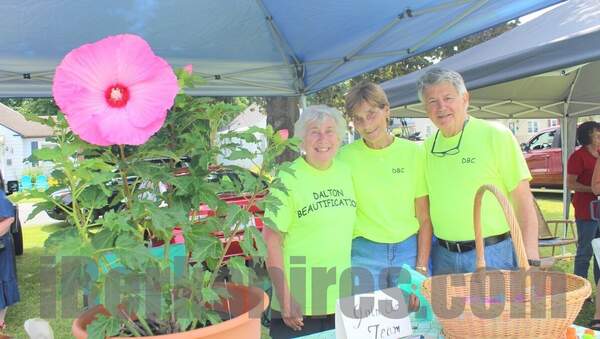
Dalton Day Returns This Saturday
By Sabrina DammsiBerkshires Staff
DALTON, Mass. — The town's popular Dalton Day festival is returning this weekend after a year's hiatus.
The event will kick off this Saturday at 11 a.m. and runs until 4 p.m. in the field in front of the Senior Center.
The community celebration was established in 2023 by the Cultural Council in an effort to increase resident participation at town meetings while also showcasing the area's welcoming, diverse, artistic and sporty atmosphere. In 2024, the event brought together 300 residents.
"The primary mission of Dalton Day is to foster a strong sense of community, build civic pride, and bring residents together through a shared celebration of local culture, music, and food," said Jeannie Ingram, Select Board member and cultural council chair, and Lori Venezia, executive assistant to the town manager.
The event provides an accessible and free platform for "civic education, community bonding, and supporting local businesses, artisans, makers, and culture more broadly," they said.
The festival strengthens the fabric of the town both civically and economically by connecting grassroots organizations with residents, fostering a shared sense of belonging, and providing free, family-friendly entertainment.
It also serves as an opportunity for community members to meet with local officials and a couple of state officials. State Sen. Paul Mark and state Rep. Leigh Davis will be coming from Beacon Hill to speak at the event.
Cassidy Flynn scattered five hits in a complete-game effort in the circle as Lenox upset top-seeded Hoosac Valley, 3-2, in the quarter-finals of the Division 5 State Tournament. click for more
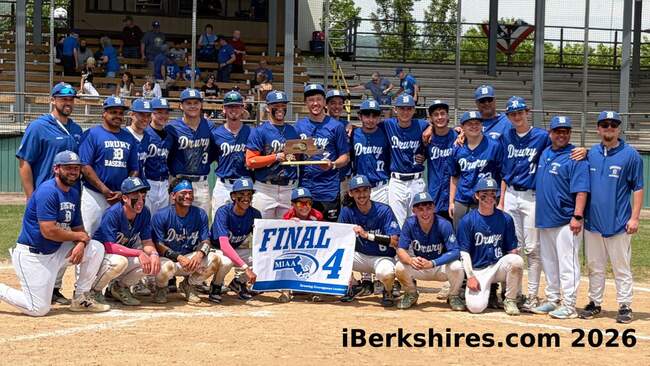
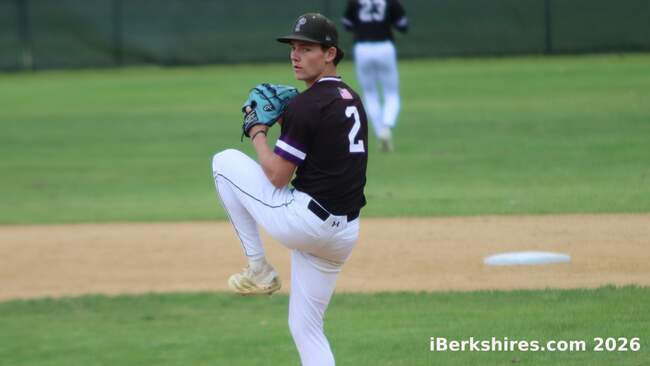
Brayden Durant struck out seven and walked one in a complete-game effort on the mound Saturday to pitch the Drury baseball team to a 6-0 win over Keefe Tech in the quarter-finals of the Division 5 State Tournament at Joe Wolfe Field. click for more
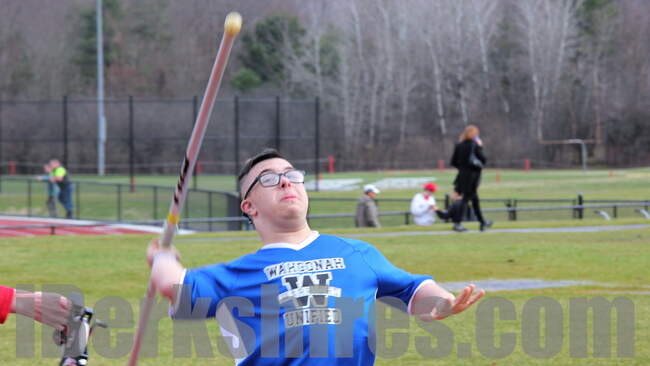
Jason Codey struck out 13, walked two and allowed just an infield single as the Generals earned a 7-1 win over Wahconah to claim their third straight regional title. click for more
Gracelyn Wright struck out eight, and Genevieve Lagess went 3-for-5 with four runs batted in as the Hurricanes beat Monson, 17-3, to claim their first Western Mass title in four years. click for more