The Hidden Struggle: Seniors at Risk in a Changing Climate
Too many older adults in Berkshire County, after a lifetime of work and contribution, now face the hidden struggle of poverty and the growing dangers of a changing climate. At the center of this struggle are the costs of basic utilities such as heat, electricity, and cooling, which determine whether a senior can live in safety or in constant risk.
For many older adults, retirement means living on a fixed Social Security check and, in some cases, a small pension. Even combined, these benefits often do not stretch far enough to cover rent, utilities, food, and medicine. When utility bills rise, as they have in recent years, seniors must decide whether to keep the lights on, fill a prescription, or buy groceries. No one should
have to choose between safety in their own home and the essentials of daily life.
At BCAC, nearly 60 percent of our clients are seniors. Most never imagined they would need help paying for fuel or electricity. Yet we see it every day: rising energy costs push older adults into heartbreaking choices. Should they heat their homes adequately in January, or risk frozen pipes and dangerous indoor temperatures? Should they run a fan or air conditioner in July, or risk dehydration and heat stroke? Energy insecurity translates directly into threats to health and safety.
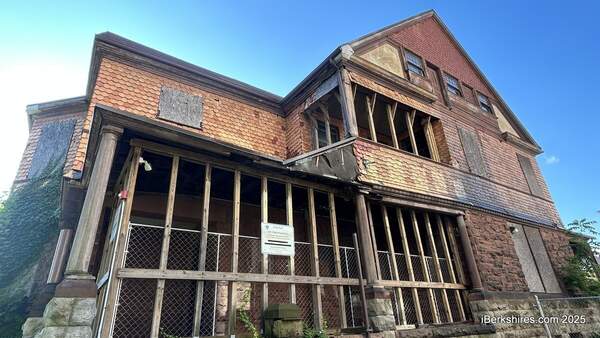
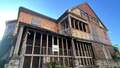
The homes themselves often compound the problem. Many older adults live in houses that are not only expensive to heat but have fallen into disrepair because the owners cannot afford maintenance and are now too frail to do the work themselves. Drafty windows, broken furnaces, and leaky roofs drive up utility costs and leave residents vulnerable to unsafe conditions. Utility bills soar even higher in inefficient homes, forcing seniors into impossible financial corners.
Struggling to make ends meet in retirement isn't just a financial issue, it's a matter of survival.
Seniors who can't afford medication, adequate heat or cooling, or timely medical care face declining health and mounting risks. The constant stress of opening a utility bill they cannot pay undermines their mental health as well. Poverty in old age strips away not only comfort but dignity and peace of mind.
This past summer, Berkshire County saw record-breaking heat. For older adults, extreme heat is more than uncomfortable — it is life-threatening. Yet many could not afford to run an air conditioner or even a fan for long hours, fearing the next electricity bill. Climate extremes mean that seniors now face two seasons of risk: bitterly cold winters that make heating essential, and dangerously hot summers that demand cooling. Both come with utility bills that their fixed incomes cannot cover.
We often think of LIHEAP only as a heating program, but extreme heat is just as dangerous as extreme cold. Policy must reflect that both heating and cooling are essential to safety.
Encouragingly, U.S. Sen. Ed Markey has introduced a bill in Congress to increase LIHEAP funding and expand it to include cooling assistance. This legislation would provide a lifeline for all low- to moderate-income families who struggle to afford utility bills, including the many seniors who are at greatest risk in extreme weather. A call to Senator Markey's office to voice support for this bill would be appreciated and could make a real difference.
Older adults are the backbone of Berkshire County. They volunteer in schools, churches, and nonprofits like BCAC. They care for grandchildren and share the wisdom that strengthens our community. Yet when utility costs force them into dangerous situations, choosing between fuel and food, or between electricity and medicine, we all feel the loss. Poverty among seniors is not just about individual hardship; it undermines the safety and well, being of the entire county.
The good news is that solutions exist. We can fight for policies that protect Social Security, fully fund LIHEAP and CSBG, and expand weatherization and affordable housing programs that reduce utility costs. Locally, we can act by checking in on neighbors and supporting food and fuel programs through volunteering, donating, and advocacy, and by lifting our voices when cuts threaten the safety net. And as summers grow hotter and winters remain harsh, we must also push for programs like Senator Markey's proposal that ensure families and seniors alike have the resources to both heat and cool their homes safely.
Growing old should not mean growing poor or living in unsafe conditions because you cannot afford basic utilities. Seniors in Berkshire County have spent their lives working, raising families, and building our communities. Now, they deserve security, respect, and dignity. Making sure every older adult can keep the heat on in the winter and stay cool in the summer is not just about comfort; it is about health, safety, and the values we all share.
This column is not meant to carry my voice, but to lift up yours. By sharing your stories, by contacting legislators, and by standing together, we can ensure that seniors and all limited-income families in Berkshire County are heard and protected.
Deborah Leonczyk is executive director Berkshire Community Action Council.
Tags: BCAC, climate change, senior citizens,