Berkshire County Historic Site Could Be Featured on Quarter
 |
Residents can now vote on which Berkshire County landmark – or Massachusetts historic site – should be immortalized on a quarter.
Following the popular 50 state quarters, Congress last December authorized the U.S. Mint to issue a new set of quarters featuring national parks and historic sites in each of the 50 states and six districts and territories.
Massachusetts has culled thousands of possibilities to 114 choices from state's 14 counties, including 17 from Berkshire. Residents are being encouraged to vote for their choice on the state's Web site.
"Our commonwealth has many great parks and historically significant sites," said Gov. Deval Patrick. "It will be fun to let everybody help choose the one to submit."
The number of Berkshire sites selected for voting is second only to Middlesex County, which has 21 listed including the famed Minuteman National Historic Park.
 |
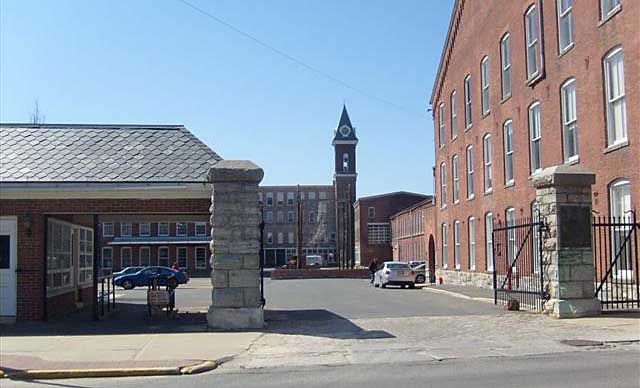 |
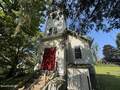
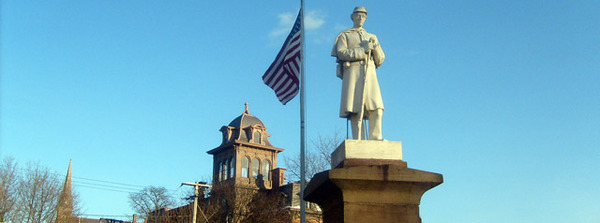
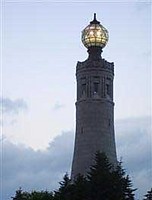
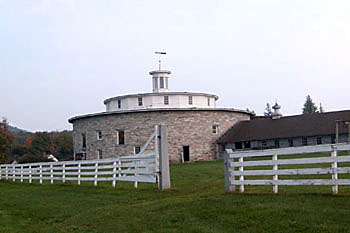
In Berkshire County, the selected sites are Mount Greylock and the Quaker Meetinghouse in Adams; Jacob's Pillow Dance Festival in Becket; the William E.B. Du Bois Boyhood Homesite, the Mahaiwe Block and Rising Paper Mill, all in Great Barrington; Hancock Shaker Village; Lee's Lower Main Street Historic District; The Mount in Lenox; Appalachian National Scenic Trail; Arnold Print Works (Sprague/Mass MoCA) and Monument Square in North Adams; Herman Melville House (Arrowhead) in Pittsfield; Richmond Furnace Historical and Archaeological District; Stockbridge Casino and Wheatleigh in Stockbridge, and the Williamstown Rail Yard and Station.
The state will submit one preferred and three alternate sites to be featured on the reverse of a quarter. The coins will be struck at the rate of five a year beginning in 2010 and issued according to the dates when each site was established as a national site.
Citizens can vote for any of the 114 sites selected by the state; you can vote as many times as you wish but for only one site at a time. Don't like any of them? You can vote for your preferred site by calling 1-800-227-MASS [6277]. A full list of more than 4,000 possible sites is available through the voting page.
Voting is open now through Thursday, Feb. 26, at 5 p.m.
Do you think the choices for Berkshire County are good ones? Or did the state overlook a significant historic site? Tell us what you think.