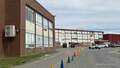
Great Barrington Fair at the monthly meeting
GREAT BARRINGTON, Mass. - The public is invited to share memories of the Great Barrington Fair at the monthly meeting of the Great Barrington Historical Society (GBHS), March 25, 7 p.m., at W. E. B. DuBois Visitor's Center, 684 S. Main St.Photos and a talk will be given about the agricultural-racing venture occupying the site for some 150 years. Michael Fitzpatrick, GBHS board secretary, will chair the event; he worked summers at the Barrington Fair while in college and later "at the starting gate."
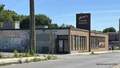
Gary Leveille, GBHS vice president, will provide power-point images of the fair which has been on South Main St. since 1842. It is now weedchoked and abandoned -- since the late 1990s -- but once was the site of a prominent, annual fall event drawing upwards of 10,000 at post time.
Several local horseman have been invited to share their tales about days on the track. Sulky races, stage shows and agricultural exhibits were joined by pari-mutuel horse racing, in 1935. Its earlier origins included use as a drilling area for Company A, 10th Massachusetts Regiment.
Antiques shows, dog shows, rock bands, circuses, gymkana, and monster truck events have all been held there over the years. It has also been used for overflow parking for area events.
In 1995, a tornado at the end of Memorial Day weekend, swept through -- just after local Boy Scouts had de-camped from there after 3 days. Many buildings were damaged, but they and the 19-acre grounds were restored and reopened briefly in the late '90s for several fair seasons.
Early town historical records show this floodplain area along the Housatonic River was inhabited by a branch of the Mahican Indians known as the Housatonic tribe; Massachusetts Historical Commission considers it a significant archeological area. When the town of Sheffield was founded, they named the land Indiantown or the North Parish; those lands later became Great Barrington when it was incorporated.
The Housatonic Agricultural Society began to use the property for fairs starting in 1842, later purchasing the land in 1854. In the mid-20th C. more acreage -- former pasture -- was acquired from descendants of the Capt. Truman Wheeler farm, on the south end. (The Wheeler homestead is currently undergoing restoration by the Society for a town museum and research center.)
In 1940 Edward J. Carroll of Agawam bought the fairgrounds and ran a highly successful fair for 36 years. Mr. Carroll's tenure coincided with its heyday, especially around the late 1960s and '70s, when record numbers attended under pleasant Indian summer skies which earned the moniker "Carroll weather." Subsequent owners did not easily benefit from such; the last fair promoter filed for bankruptcy, having had other business complications including the demise of the racing circuit.
Refreshments will be served. A brief business meeting will be held before the presentation. The public is invited, free of charge. For more information about the Society, go to www.greatbarringtonhistoricalsociety.org.