Clarksburg Seniors Creating Housing 'Wish List'
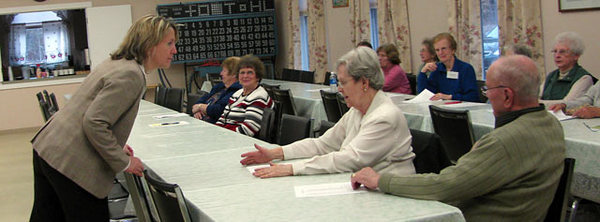
 Maureen Tuggey, left, and Gail Rothwell are helping Clarksburg seniors make a 'wish list.' |
It almost sounded like the great college dorm, but this class of seniors were thinking more of a permanent community that they can could call home.
Elder Services of Berkshire County and the Clarksburg Council on Aging have been holding "wish list" sessions with Clarksburg and interested North Berkshire senior citizens to better understand what they would need in the proposed Clarksburg Senior Village developement.
The housing for the 62 and older crowd would consist of 20 to 25 units on several acres of town land behind the Senior Center.
What they anticipate needing in their elder years is an important part of the application process to gain funding from U.S. Housing and Urban Development, said Maureen Tuggey, housing programs manager for Elder Services of Berkshire County.
The agency looks at "enriched senior housing," residences that take into account not only safety and accessibility, but the intellectual stimulation of residents.
"We're building with the goal of helping people who don't want to leave their communities," Tuggey said. "This offers the opportunity for them to stay here as along as possible and to provide the services they need to live here."
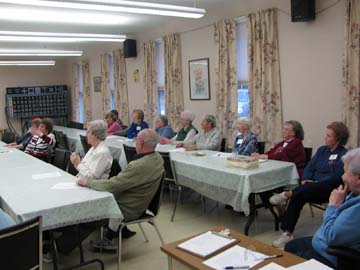
Tuggey and Gail Rothwell, a resident service coordinator for Elder Services, were getting ideas from about 20 people gathered at the Senior Center last Thursday.
Some of the wishes might not be fulfilled, but the expectations of can help define the configuration of the building and inform the applications process, said Tuggey.
Thursday's group, for instance, was interested in entertainment — places to play games, play a piano for singalongs, host amateur shows, gather for big-screen viewing and hold parties. A multipurpose room — or two — with a full kitchen was deemed important. So was a smaller private dining room for residents to host family gatherings that wouldn't fit in their apartments.
An earlier session brought similar suggestions, along with concerns for accessibility and safety, exterior storage areas and integration of the rural landscape through gardens and walking paths.
Bringing in health care workers for clinics and help with light housekeeping, hosting education programs and hair stylists were among other activities mentioned.
Both groups expressed frustration with the lack of transportation to local shopping and doctors offices, something that could be worked out, said Rothwell and Tuggey.
Elder Services would own the building and hire a property management company to operate it. An agency residential coordinator would be on-site as a resource.
 The village would be similar to Elder Services' successful Crossways Village, a 38-unit facility in the former Lee Central School. Constructed using HUD 202 funds, the 3-year-old development will be expanded with another 13 single units in a building on the campus.
This is the second meeting that Claire and Lester Dumoulin of Clarksburg had attended.
"We'd like to stay here in Clarksburg," said Claire Dumoulin, but their large house is getting harder and harder for them to care for. "It would be really nice to move into something like this."
But the project is in its initial stages; it could take four years before the building opens, which could be too long for the Dumoulins.
They realize that, said Dumoulin. "We're here to show support for people who will be able to move here. This is going to be great for them."
A third public session will be held Wednesday, April 8, at 10 a.m. at St. John's Episcopal Church in North Adams. It will include local service, health and emergency agencies. Interested seniors and others are encouraged to attend.