Bosley: Results of House Budget Deliberations
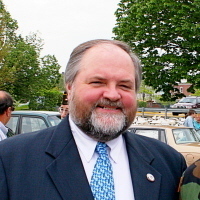 |
This has been a very tough budget process. With a predicted $3.6 billion deficit, many programs were cut or not included at all in this House budget. In recognition of the dire fiscal situation the state and nation are facing, my budget priorities this year reflected services that, in times like these, become heavily relied upon.
To offset the deficit and to preserve local aid, the House voted to increase the sales tax by 1.5 percent, up to 6.5. The vote keeps the exemption on key household items, such as food, clothing and home heating oil, which have never been taxed. It also eliminates the need for burdensome taxes on gas, alcohol and sugar. The estimates revenues from this are projected around $900 million, which will supplement the original local aid projections, as well as allow funding for other vital programs implemented across the commonwealth.
|
While the fiscal 2010 budget adopted by the House for higher education does reduce state funding for our public higher education institutions by approximately $156.8 million (16 percent) from fiscal 2009 levels, the federal funds provided through stimulus funding, when coupled with the state appropriations we provided in the House budget, will bring funding for our public higher education institutions back to their fisca 2009 levels.
Massachusetts College of Liberal Arts was funded at $14,372,730 and, of that amount, a total of $350,000 is for the Berkshire Wireless Learning Initiative, $100,000 of which is allocated for the Berkshire Compact, which assesses and evaluates the higher-education resources available to Berkshire County residents.
Through a language change in a Medicaid line item that I championed, North Adams Regional Hospital was able to prevent cuts of approximately $3 million to its budget. This boost of funding, won on the floor, is particularly important considering that the hospital has already made $4.5 million in cuts to its budget from last year through cutting costs, layoffs of staff and contract negotiations.
This year's budget was not heavily laden with earmarks. As a result, earmarks within line items that I have typically secured are not present; however, the majority of funding for those earmarks was preserved as a certain percentage within the overall line item. For example, the Turner House, which serves homeless and low-income veterans in Williamstown and has historically been funded at $42,000, will retain 75 percent of its funding from last year (which equates to $31,500). In addition to that, the United Veterans of America, Soldier On, which has been funded at $100,000, will also retain 75 percent of its 2009 funding, amounting to $75,000.
The Northern Berkshire Community Coalition oversees all of Northern Berkshire's social services, making sure that there is no grant application duplication or programs competing to offer our small constituency similar services. One of the programs, the Berkshire Youth Development Project, was funded at 80 percent of its fiscal 2009 funding, which gives it $120,000 to continue coordinating efforts aimed at youth.
In addition to that, $200,000 was secured for the Massachusetts Model Community Coalitions, of which the NBCC will receive $50,000. In this low economic period, our community coalitions can mobilize our communities to advocate about those services that are most critically needed, ensuring that our constituents talk with each other in finding ways to coordinate, collaborate, and maximize those resources that are left. Dollar for dollar this program is, in my opinion, one of the best in the commonwealth. For every dollar the state puts into this, $33 is generated in community projects and programs.
I also sponsored an amendment, which the House passed, to clarify language in the dairy farm tax credit from last session. The 90 percent refundable tax credit allows farmers to take a credit when the federal milk marketing order price for the applicable market drops below a trigger price established by the commissioner of agricultural resources. The Department of Agricultural Resources is charged with developing regulations to ensure that the cost of the tax credit to the state ranges from zero when milk prices are sufficient to cover Massachusetts farmers' production expenses to no more than $4 million. The technical correction ensures that farmers will have $4 million available for assistance each year.
The 15 Regional Transit authorities across the commonwealth received an $8.2 million increase in funding from the originally proposed budget for a total of $54,993,971. This funding would ensure that proposed service reductions that threaten to affect consistent transportation and will allow RTAs to provide quality, reliable and cost-effective service for seniors, workers, the disabled and the general public.
The budget also included language that allocates $1 million for a grant application process to offset deficits incurred at highway information centers on state highways and federally-assisted highways, including the Discover the Berkshires Visitors Center in Adams. In tough economic times, keeping the Adams visitors' center functioning as fully as possible will help the Berkshires maintain the vital tourism industry and allow it to continue flourishing.
In addition to those achievements, I and the other members of the Berkshire delegation, Reps. William "Smitty" Pignatelli, D-Lenox, Denis E. Guyer, D-Dalton, and Christopher Speranzo, D-Pittsfield, were able to secure funding for the following local and statewide programs that directly affect the Berkshires:
■ $150,000 for the Western Mass. Enterprise Fund to provide work-force training
■ $9,383,215 for Berkshire Community College
■ $50,521,840 for regional school transportation, 72 percent of the fiscal 209 total allocation
■ $150,000 for the Bay State Games, which is crucial funding for the annual events held in Williamstown, North Adams and other parts of Northern Berkshire
■ $50,000 for the Senior Farm Share Program
■ Local police departments will receive 25 percent of their fiscal 2008 Community Policing grant awards
This bill, the House budget proposal, engrossed in the House, will now be sent to the Senate for consideration and debate. Once the Senate engrosses its version of the budget document, a conference committee will work out the differences between the two versions for final enactment. The bill will then be sent to Gov. Deval L. Patrick.