Mt. Greylock High School's Certification Threatened
WILLIAMSTOWN, Mass. — Mount Greylock Regional High School's certification is in jeopardy until school officialshave a plan B for if they are unable to build a new school.In November, the New England Association of Schools and Colleges sent a letter to Principal Tim Payne threatening to decertify the school if they do not have a plan to bring the building up to building codes. The school has been at the warning level for six years.
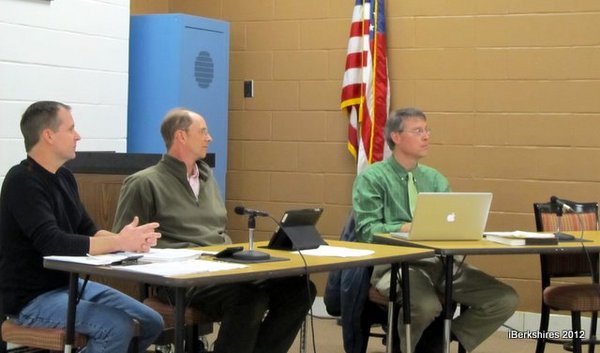
The Building Subcommittee recently submitted a statement of interest to the state School Building Authority to build a new school. While the subcommittee waits for an answer, they are under the gun to submit a backup plan to NEASC by March.
Particularly, NEASC wants to know what the school intends to do to install a fire suppression system, bring the school into compliance with the Americans with Disabilities Act, upgrade the science labs and heating systems and eliminate moisture that is causing mold in the north end among other things.
The Board of Selectmen in Lanesborough also requested a capital plan for the next decade and the subcommittee will satisfy that request at the same time.
The subcommittee will start by contacting Dore and Whittier, who did a feasibility study in 2006 that included cost estimates for the various issues, for information. The group will then have updated costs and building codes as the basis for the plan.
However, it all may be useless if the MSBA accepts the school into the program.
On Thursday, some subcommittee members said the request is difficult because tackling the issues one at a time will not be cost effective and one repair will lead to another. For example, if the school upgrades the science labs, it will need to re-do the ventilation systems at the same time.
Further, the work could trigger the ADA compliance rules that would force them to adhere to the act immediately. With recent emergency repairs to the boilers and locker room, the school has rebuilt about 15 percent of the school. Renovation work more than 30 percent triggers ADA compliance.
While that backup plan is being constructed, school officials are still working for a new building too. The subcommittee is thinking of ways to reach out to the voters in both Lanesborough and Williamstown, who will ultimately pay for the construction, and show the condition of the school. That includes a public tour to show the worst conditions, videos to play on public access, a new website and power point presentations.
The school is also finishing negotiations with the MSBA over reimbursements from the boiler and locker room project. Recently the MSBA denied reimbursement for about $123,000 worth of change orders. Officials have been bargaining that down and have picked up about $55,000 of that total. Most recently there is about $68,000 that will not be reimbursed. The reimbursement is 54 percent, meaning 46 percent of the $68,000 is unexpectedly falling on the school's shoulders.