Berkshire Planning Commission to Update Transit Plan
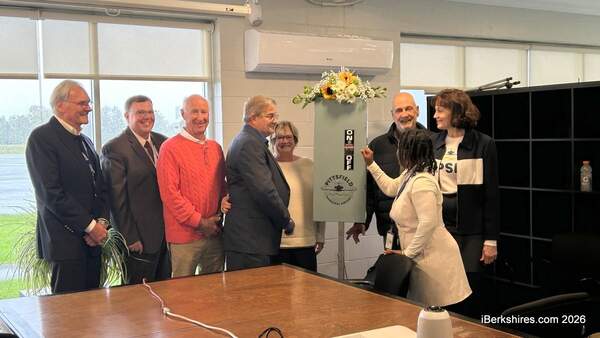
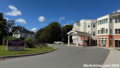
 PITTSFIELD, Mass. — The Berkshire Regional Planning Commission held a public meeting at the Joseph Scelsi Intermodal Transportation Center on Tuesday to present updates to its Coordinated Public Transit-Human Services Transportation plan, which focuses on the needs of older adults, low-income residents and persons with disabilities.
By law, this plan must be updated every three years in order for the region to retain its eligibility for federal funding. The current plan, drafted by the BRPC in 2007, was last updated in June 2009.
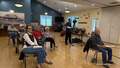
The public input session, held in the BRTA conference room at the transit center, was part of a process of airings it must go through before being approved. A report on the public meeting was given later in the day to the BRPC's Transportation Advisory Committee, which then passed it on to the Metropolitan Planning Organization for final review.
The update addressed changes identified in the 2010 Census, including changes in population and demographics that may impact public transportation needs and priorities in the county.
Anuja Koirala, senior transportation planner for the BRPC, said that while overall population in the county had decreased 2.8 percent from 2000 to 2010 — down from a 3.2 percent decrease the decade before — the aging (over 55) population is around 33.4 percent, significantly above the statewide average of 26.1 percent. Nearly 15 percent of the population is listed as having a disability.
Other demographics considered in the report include income and access to work facilities. About 68 percent of area households have one or more person employed, while 3.9 percent of these do not have a vehicle, and must reach employment by other means. In North Adams, which has the lowest average household income of any municipality in the county, more than twice this proportion, 8.6 percent of working households do not possess a car. According to Koirala, analysis of this kind of Census data by the BRPC has shown that North Adams and Pittsfield are clear focus areas of need for public transit.
A geographical service gap was also outlined, showing that the area covered by BRTA and BerkshireRides is mostly limited to towns on or along the Route 7 corridor at its center leaving some 20 towns, particularly in the southern half of the county, largely unserved by public transportation.
A key priority outlined in the plan includes improved and expanded route service, including evening and weekday hours, which is hoped will someday include Sunday bus service in Berkshire County. The BRPC would also like to further encourage employer subsidy and expand the routes of service more widely to the many towns not currently serviced.
Koirala said the plan indicates that regional transportation providers and planning officials are committed to providing services beyond just those required by the Americans with Disabilities Act.
The planning commission will present the document to the Metropolitan Planning Organization on March 27, after which it will be officially released for a 30-day public comment period. The MPO will then endorse the document sometime in April or May.
BRPC 2012 Coordinated Plan Update
Tags: Berkshire Regional Planning Commission, transportation,