Williamstown Selectmen Won't Back Farm Bylaw Changes
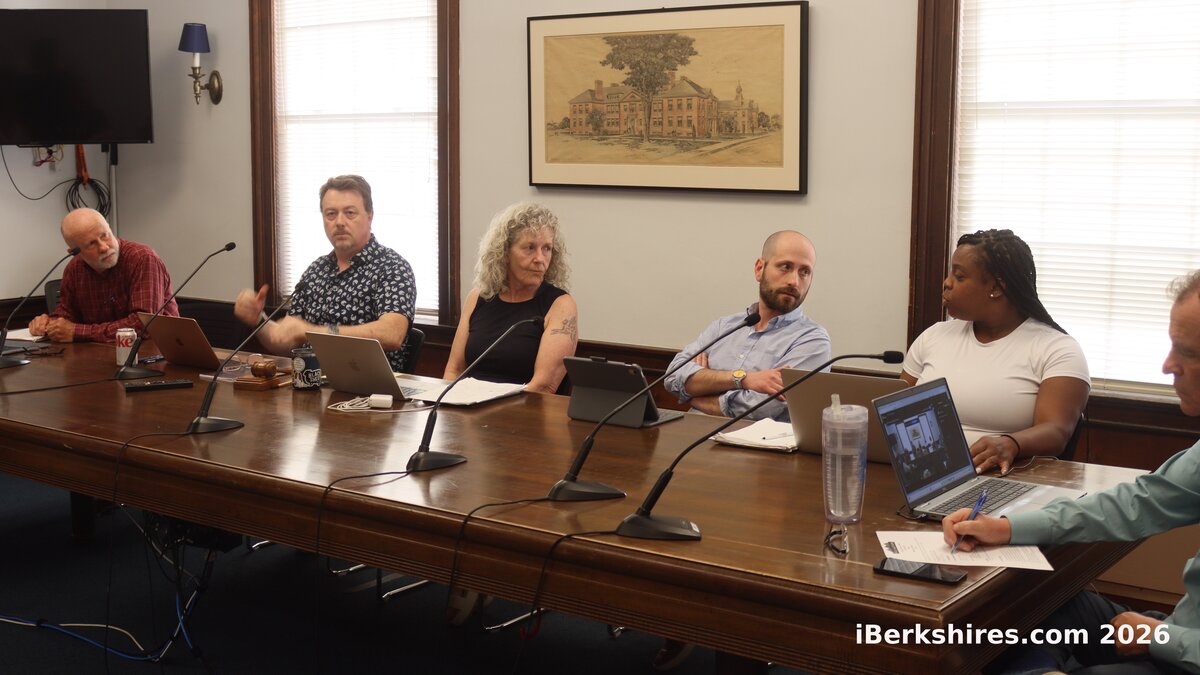
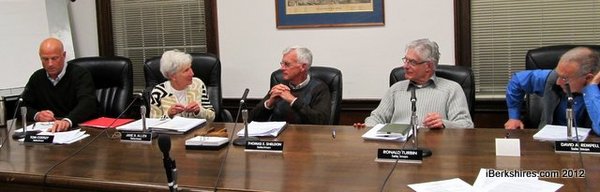
WILLIAMSTOWN, Mass. — The Board of Selectmen unanimously voted not to recommend warrant articles that would allow farms to have music or celebrations on their grounds.Board members did, however, move to recommend a less intrusive request to hold physical or creative classes in music, dance, yoga or similar activities. No one spoke in favor of the bylaws.
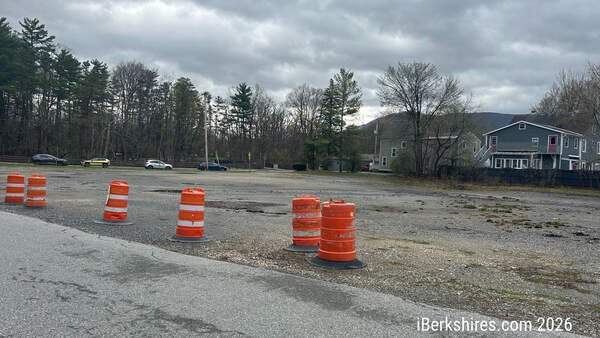
The zoning law amendments had been brought forward by Cricket Creek Farm, which has been hoping to boost its revenues by hosting weddings and large celebrations. The issue has run into opposition from neighbors in South Williamstown and concerns from the Planning and Zoning boards. The Planning Board voted on March 1 to recommend the bylaws after a compromise was reached over language.
"I want to find other ways to support farms ... This is not smart," said Selectman Tom Costley. "It's not what a farm was intended to do. I understand farms need to be creative but if I moved there, it's not what I would have expected."
The bylaw change would allow local farms, as defined in the town's Right to Farm bylaw, to host events with amplified music between the hours of 10 a.m. and 11 p.m. The Selectmen worried about the effects of traffic and noise on the rural areas and dirt roads.
"I'm concerned about the impact on a particular area of town," said Selectman David Rempell. "Weddings are weddings — they're huge celebrations."
Selectwoman Jane Allen had issues with a bylaw that would leave complaints and compliance for multiple events in the hands of the ZBA.
Moderator Mark Gold, speaking as a resident of South Williamstown, said the town could be setting a precedent in changing bylaws for a specific industry so it could engage in activities outside of its main business.
"This has been boxed in a 'save the farms' package ... no one is saying this is good for the town and no one is saying this is good for the neighborhood," he said. "This is about revenue for the farms."
He asked what would happen if a group of physicians came and asked for a bylaw change to aid their business. "The cost, frankly, is way to high for the people who live there and sets a dangerous precedent."
(Gold said he would step down as moderator during the time the three articles are on the floor; former Moderator Stan Parese will take over.)
The selectmen voted 5-0 not to recommend the bylaw to town meeting; after a short debate they also felt they couldn't recommend a complementary article that would have allowed small concerts (40 people or less) until 9:30 p.m. because it didn't define if the music was acoustic or amplified.
The board failed to give full support for long-debated bylaw to allow second dwelling units in certain areas, voting 4-1 to recommend it. The bylaw, formulated by the Planning Board, would allow property owners to create so-called "mother-in-law" apartments within single-family homes, by adding on or building a detached structure.
Allen was the lone vote against recommendation, citing concerns over drainage, setbacks and permitting, some of which had been raised by the Zoning Board.
"It's hard because I know the affordable housing supports this," she said. "I'm all for more affordable housing in Williamstown but I'm not sure this article has been vetted well enough. ... I think there are unintended consequences."
The annual town meeting set for Tuesday, May 15, at 7 p.m. at the elementary school.
Tags: affordable housing, agriculture, bylaws, development, town meeting, warrant,