Pittsfield Sets Guidelines for Residential Chickens, Bees
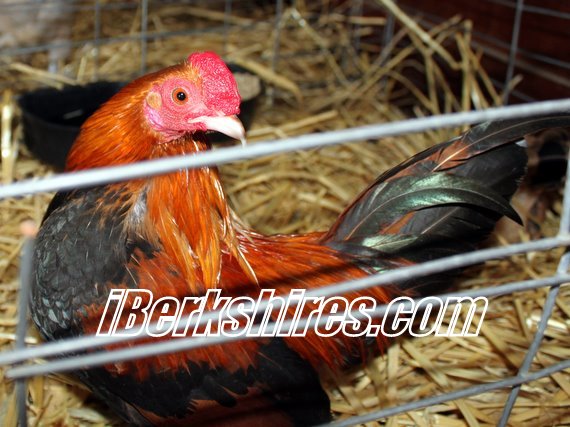 The city of Pittsfield has come up with guidelines and permitting for keeping chickens in the city limits. |
In response to some significant confusion on the part of city officials regarding Pittsfield's regulatory process on the keeping of these non-household pets, Ward 6 Councilor John Krol and former Ward 4 Councilor Michael Ward put forth a June petition asking the city's office of Community Development to develop an ordinance governing their permitting.
Rather than drafting a new ordinance, city officials have put together a new set of "informal guidelines" designed to streamline the current permitting process, which residents have complained is both confusing and too expensive.
"This has in no way been codified," Community Development Director Deanna Ruffer told the City Council on Tuesday of the new guidelines, which were constructed in conjunction with the Zoning Board of Appeals with input from building inspectors and the Department of Public Health.
The desire for new guidelines for granting these kind of permits was expressed by the ZBA in May, after it delayed two new applications put forth this spring by residents on Pomeroy Avenue and McArthur Street.
"We need some guidelines for these things, we need the city to help," Chairman Al Ingegni had said at the board's May meeting. "These are coming in more often now ... We don't have any guidelines or parameters here to make good decisions."
Popular interest in urban chicken raising was increased in part by the most visible recent example of a coop kept by the Alchemy Initiative at its former home on Melville Street, for which it was granted a permit last August
Currently, anyone who wishes to keep chickens within the city of Pittsfield, regardless of the number, must seek a special permit from the Zoning Board of Appeals.
"There was a misconception going around that there could be some chickens without a permit, but this is not true," said Ruffer.
Ruffer said any new ordinance would need to come from the Community Development Board then be sent to the City Council in order to make any changes to the permitting regulations or fees currently associated with it, but recommended against such changes. She said the current regulations, which are akin to those for donkeys, rabbits, and other non-household agricultural animals, is felt by staff to be "the best way to handle this," based on research of how nine other cities and towns dealt with the issue.
Ruffer also defended the current application fee of $200 and required legal notice in The Berkshire Eagle at a cost of $111, because ownership of chickens is a significant responsibility, which includes notifying abutting neighbors of what is going on.
"This is something that should be taken seriously and should be thought through," said Ruffer. "Unfortunately, there's many horror stories of poor management of the waste product or poor handling of the feed."
One of the largest public health risks associated with raising chickens is salmonella, according to the Center for Disease Control. The CDC has also provided a helpful list of suggested guidelines for safely raising chickens.
Raising of chickens in more urban areas has grown significantly in popularity around the country in recent years. Nontraditional farming environments for keeping the animals for eggs and educational purposes has been growing all around Berkshire County, with Hancock Shaker Village recently offering a four-hour workshop on the subject.
Pittsfield Guidelines for Residential Chicken Keeping
Tags: agriculture, chickens, permitting,