Waning Bossidy Fund Sparks Calls For Pittsfield Parks Plan
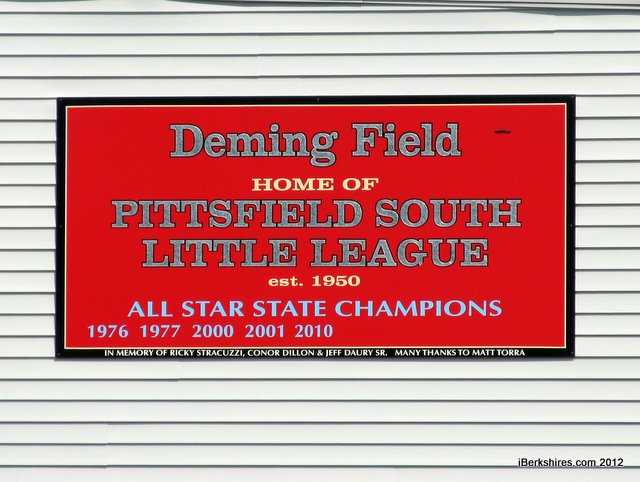 The Parks Commission turned down one Bossidy Fund request but approved a second significantly reduced one. |
The commission voted to table a request for $3,000 in "Bossidy Bucks" funding for materials to maintain the Babe Ruth ballfield until it can work out a long-term maintenance plan with city government.
The Bossidy Bucks fund was established in 2001 from a $1 millon donation by Larry Bossidy, former GE and Honeywell executive, for the ongoing upkeep of city athletic fields. In light of this and more substantial recent requests, Parks Commission members and others in the community have grown concerned about the distribution of the remaining amount, which totals just a little over $80,000.
James Conant of the Babe Ruth League said this assistance was important to close recent losses of revenue and protect the larger investment in the Elm Street neighborhood playing field. Deming Field was renovated in 2007, using a $120,000 allocation from the same Bossidy account.
Conant referred to the apparent failure to resolve a venue for the annual Gillette carnival, which benefits the league, as a "crippling financial blow," necessitating the request for Bossidy funds to meet maintenance needs through the next season. While a new financial partner is hoped for, Conant admitted there was as yet no plan in place for the continued maintenance needed to keep the field from deteriorating.
"We just don't have any answers," said Conant. "I could come here again next year and have to ask for the same thing. I just don't know. I hope not."
Without such upkeep, however, Conant feared deterioration of the site would grow over time. "Then really, the entire concept of that new field being built will be lost."
Chairman Dr. John Herman said the mayor, City Council, and Department of Community Development "need to come up with a plan" about park upkeep.
"It's our fault, too, we haven't been in front of them" said Herman, "We should've been in front of them for the last five years."
Among the possible approaches discussed was the introduction of user fees for non-city operated programs such as the youth sports leagues, though commission members and parks staff agreed this is would be new territory for Pittsfield, and could become a tricky issue.
In the meantime, Commissioner Anthony DiMartino said it was important to get financial reports from the leagues and assess what their actual annual material costs in maintaining these sites are in order to inform planning efforts.
The commission did approve a $15,000 allocation from the Bossidy fund, however, toward replacing lights at the softball complex at Gerald S. Doyle Memorial Park with a new state-of-the-art system. Advocates for the girls softball league say the new lights are a crucial investment that will pay dividends in the economic impact when Pittsfield hosts the Girls Softball World Series in July 2013 and future years.
The Parks Commission tabled the league's request last month for $45,000, expressing reservations about such a sizable allotment of the dwindling fund and suggesting the group seek additional funding streams. Softball Commissioner James Stimpson reported that a third of that $45,000 figure had since been secured from a "community source," and he had met with the mayor about obtaining $15,000 in city funds in some form out of the current year's budget.
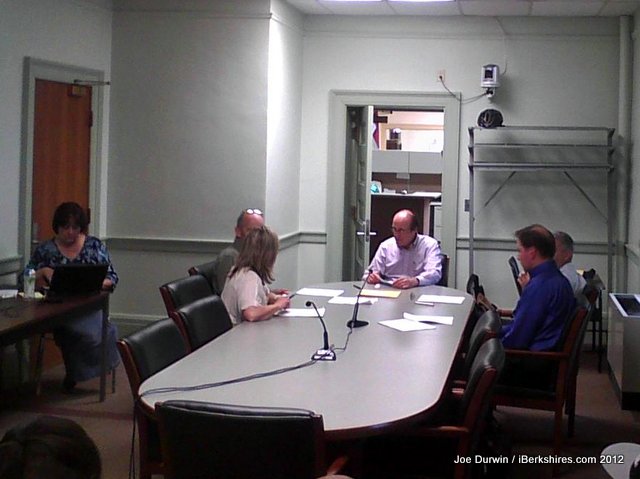 The Parks Commission is hoping for a long-term maintenance plan to keep up the city's parks in light the diminishing Bossidy Fund. |
Stimpson said informal estimates of the economic impact of the annual tournament could amount to as much as half a million a year in lodging and other expenditures by around 600 visiting participants.
"Fifteen thousand is a lot easier to swallow than $45,000," expressed Herman, who favored approving this request over the smaller Deming allocation because it is a one-time project, and not an ongoing need that will have to be met.
Commission member Clifford Nilan concurred, but asked for an amendment barring any future requests for the Doyle complex, since it has received $80,000 in previous allocations from the Bossidy fund.
Distribution of Bossidy Bucks have proved controversial several times. Bossidy had originally proposed the money toward a professional baseball stadium that voters shot down. Just months after the donation was made, more than $120,000 of it was spent on trucks and snow plowing equipment, causing splits between city councilors when the issue re-emerged in late 2007. Issues of equity between the various parks and neighborhoods have also provoked heated debate within the Parks Commission several times in recent years.
With more than 90 percent of the fund now spent, the Parks Commission is seeking a long-term plan for maintaining the large construction projects that were undertaken with these funds over the past decade, and looking to city government for guidance in the discussion.
"I think it's incumbent on us to look at what other communities are doing, and to come up with a fair and equitable plan of action here. We can't simply rely on operating budgets, or Bossidy, or volunteers," James McGrath, the city's parks and open spaces manager, told the commission. "We need to get to a certain level where we're maintaining our fields, and directing our resources appropriately. This is a tricky game here."
Tags: ballfield, parks, parks & rec,