Pittsfield Cited for Leadership in Housing Development
 Gov. Deval Patrick used the celebration of the Rice Silk Mill affordable housing project to announce the city was the first to qualify for the new Housing Development Incentive Program. |
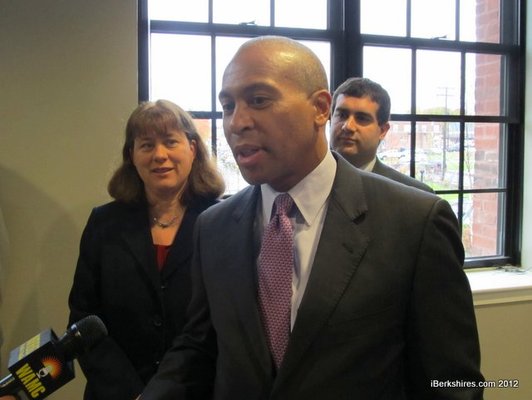
Gov. Deval Patrick took the opportunity at Friday's celebration of the completion of the $15 million Rice Silk Mill affordable housing project to announce that the city had the first project in the commonwealth to qualify for the new Housing Development Incentive Program.
"Pittsfield is leading the whole commonwealth on this project in using resources available to all Gateway cities to invest in downtown-oriented housing to support access to small businesses and breathe new life into communities," Patrick said, who admitted to having "a warm spot in my heart for this part of the commonwealth."
"It doesn't surprise me one bit that Pittsfield is leading, you have great leadership here."
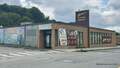
The city created a Housing Development Zone (the Downtown Arts Overlay District and Plunkett School) earlier this year as part of the application to support the $11 million Onota/Howard project. Developer Allegrone Construction is now qualifed to take advantage of state tax credits as an incentive for its investment developing 39 market-rate housing units and 10 retail spaces in the buildings at 124-132 Fenn St. and 64-74 North St.
The program offers a local option real estate tax exemption and a state tax credit for 10 percent of eligible costs, up to $1 million. Read the full press release here.
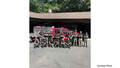
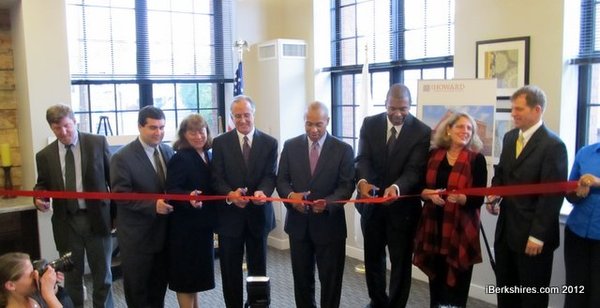
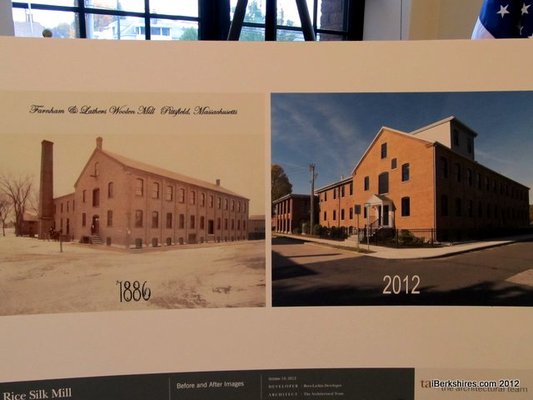
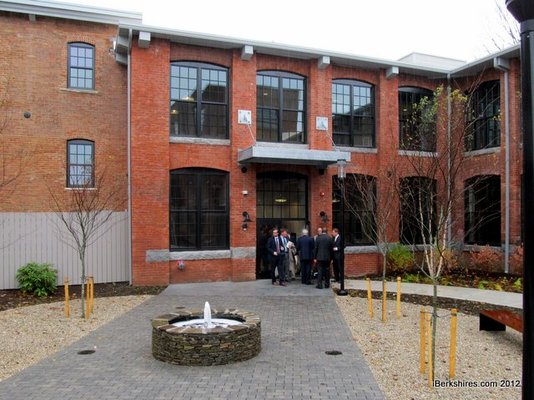
The governor and Arthur Jemison, deputy undersecretary for the Department of Housing and Community Development and Massachusetts Housing Partnership Fund Executive Director Clark Zeigler joined with current and past city councilors, representatives of the Morningside neighborhood and new Silk Mill tenants for a ribbon cutting to mark the reconstruction of the 132-year-old mill.
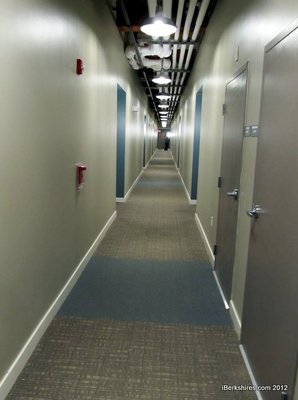
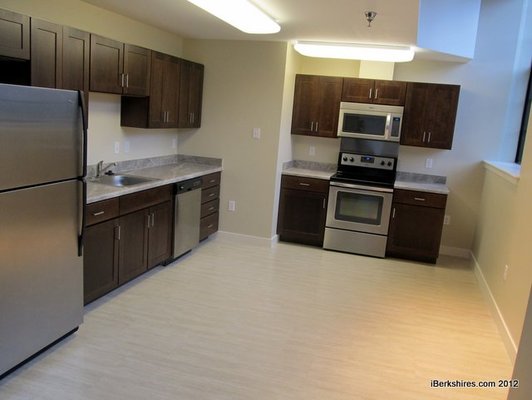
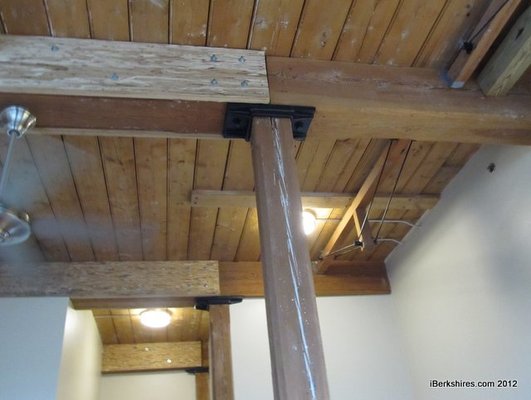
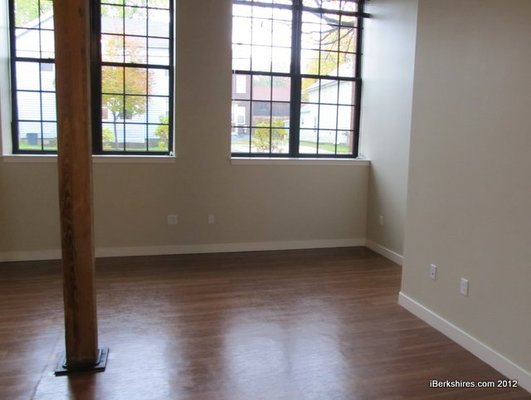
Once the workplace of hundreds of Morningside residents, the building now hosts 45 residential units of one to three bedrooms targeted to working families.
"This was a great historical mill," said Mayor Daniel Bianchi. "Over the decades it has supported hundreds of family. This project is going to do marvelous things for the neighborhood."
The project was made possible through both public and private investment, much of it coming through the Department of Housing and Community Development. People's Bank and Massachusetts Housing Partnership Fund were also critical to its success.
 |
|
| Clockwise from above, Rep. Tricia Farley-Bouvier lauded the community development office; Deputy Undersecretary Arthur Jemison was emcee; Mayor Daniel Bianchi gives a hand to Deanna Ruffer. | |
 |
 |
Rudzinski said elements critical to the project was the commitment by the state to encourage development through improved zoning and funding, pointing to the 40R designation, which makes permitting easier, and communities willing take chances.
"This is a city smart enough and progressive enough to jump onto the things the state government, particularly this administration, provides," he said. "This city has a long-term vision of what redevelopment means ... that's why this project is happening today."
The governor said there was a relationship between economic development and "thoughtful housing development."
"We're encouraging companies to plan jobs but we have to think about where people live," he said. "Pittsfield understands that. From the Colonial to the Barrington Stage, the city has been in the midst of an extraordinary revival."
State Rep. Tricia Farley-Bouvier said teamwork at all levels — particularly the professionalism and dedication of the Office of Community Development — were key to getting the project off the ground.
With apologies to the governor, she said, "If there's one hero today it's Deanna Ruffer."
Ruffer, former community development director, traveled from her now job on Cape Cod for what she described as "a special day."
"This is an important project that took a lot of people a lot of years to put together," she said. "It's very important to what I believed in working with neighborhood initiatives and what I believed in terms of urban housing and to communities.
"It demonstrates that for many communities like Pittsfield, the combination of both market rate and affordable housing are equally important to the vitality of the community."
Tags: affordable housing, Bianchi, Deval Patrick, economic development, governor,