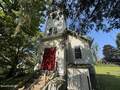
Pittsfield Church May Make Way for Nursing Home
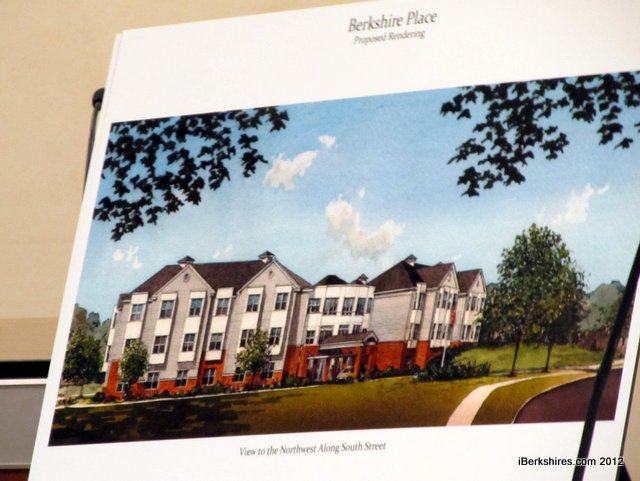 The EGA Architects' mock up of the new building Berkshire Place hopes to build. |
That moves forward the plan to purchase the land and build a large, modern nursing home.
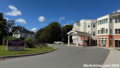
The company is looking to build a new 54-bed Berkshire Place. The 44,000 square-foot building will replace the church and the office building.
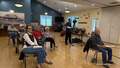
"We looked at the property with the expectation that we could use all three buildings," attorney Emil George, who is representing Berkshire Retirement Home, told the Community Development Board. "It wasn't going to happen. It costs too much to retrofit them."
Instead, the company hired engineers SK Design to plan a new building but George said many of the church's most beloved artifacts will go into the new structure.
Presenting the new design, Jim Scalise of SK Design said the plan will improve water runoff, will not contribute any more than the church to the already congested traffic pattern and, after speaking with many city departments, it fits all requirements.
However, the company does still need a variance because of four "extra" beds. The zoning bylaws require three acres of land for the first 50 beds and then one acre for the next group of 50. Scalise said that with only four additional beds being planned on 3.4 acres, the density would be less than 100 beds on four acres.
"We spent a fair amount of time trying to get this project right," Scalise said.
The current five curb cuts will be reduced to two to help ease traffic and Scalise said the number of cars would not be more than on any typical day of worship.
That area of South Street is one of the more congested in the city with about 21,000 cars a day. Scalise said, though, that since the location is also set back on side streets, the project would not add to the North-to-South Street traffic.
The inside of the building is aimed to reduce the "institutional" feel of a traditional nursing home, according to architect Patrick Mixdorf, with project designers EGA Architects. The second and third floors will be residential and the aim to provide a homey feel with all the amenities one would have in their home, he said.
The company hopes to be in front of the Zoning Board of Appeals next week and later will have to go to the Historical Commission. The church was closed in 2008 as part of a wave of diocesan consolidations.
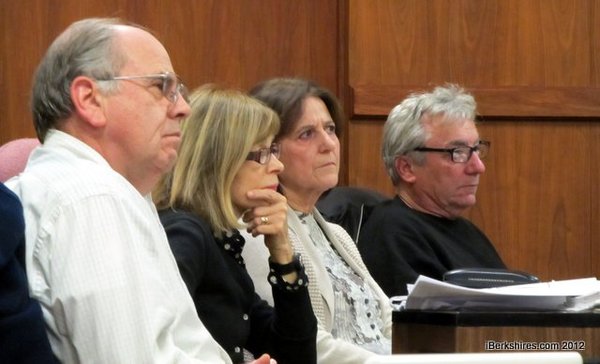
The Community Development Board gave its approval to the project with little discussion.
Tags: building project, church reuse, nursing home,