North Adams Seeking to Lock In Electrical Rates for Residents
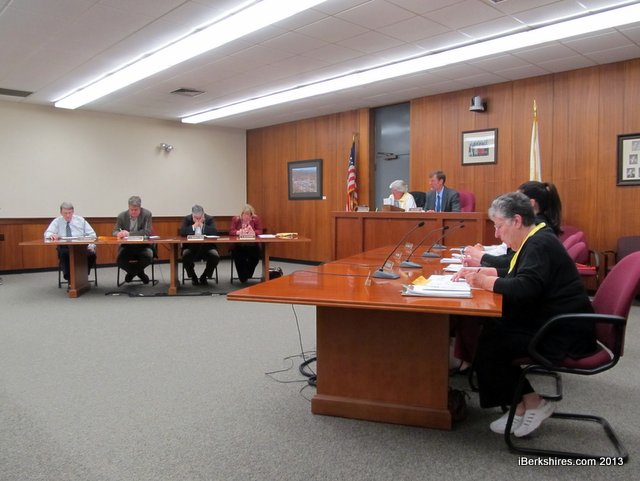 The City Council on Tuesday approved a plan to offer residents a way to lock in electrical rates. The City Council on Tuesday approved a plan to offer residents a way to lock in electrical rates. |
Mayor Richard Alcombright, who had presented the idea to the council last year, said the aggregation model will allow those in the community the same purchasing power as the city when it goes out to buy energy.
"What it does is give the collaborative the same power to go out and look at rates," he said, noting that it will be about 50,000 customers. "This has been very, very well vetted ...
"It will just fix rates at an all-time low."
The cooperative will also include the towns of Florida, Williamstown, Dalton, Lenox, New Marlborough, Lenox, Sheffield, Tyringham and West Stockbridge. Great Barrington is also deciding whether to join and the request for proposals will stay open in case other towns wish to participate.
Mark Cappadona, of Colonial Power Group, the consultant that will manage the aggregation, said similar programs are being used by the Hampshire Council of Governments and the Cape Code Light Compact for multiple communities. Colonial has aggregated for seven communities, including Lanesborough.
"We bring the supplier to the community at one time and that drives down the cost of energy," said Cappadona, who believed most communities would eventually turn to aggregation. "There isn't a dime of city money put into it. Colonial runs the whole program."
Cappadona said National Grid would continue to be the distributor — the utility would still take care of meters and billing. The only change would be where the energy supply came from.
Residents who were still getting energy through National Grid's supplier ("basic service") would get a mailing at least 30 days prior to switch explaining the progam and giving them option not to participate. Customers can change their minds at any time to opt in or out without any fees attached.
The suppliers don't have a problem with residential users coming in and out the program because their electric usage is minimal, Cappadona said, but higher-usage customers who opt out would have to apply to rejoin.
The process is overseen by the state Department of Energy Resources and would have to be approved by the Department of Public Utilities. Cappadona expected the entire process to take about six months; any new rate would not take effect until after the mayor signed off on it.
Administrative Officer Michael Canales said the current historic lows in the market made it a prime time to lock in rates but he didn't expect the savings to be dramatic, possibly a few dollars a month. Rather, it would provide residents with stability in their bills over a longer period of time instead being dependent on whatever National Grid's supplier was charging.
"It's stability I've always stressed, not so much savings," he said.
Tags: electricity, energy rates,