North Adams Art Museum Delayed Over Parking Rules
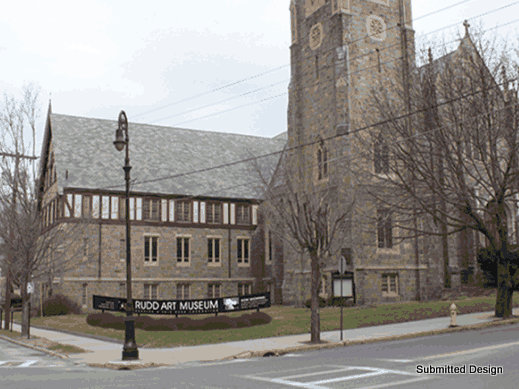 The proposed sign design for the Rudd Art Museum at the Methodist Church on 159 East Main St. The proposed sign design for the Rudd Art Museum at the Methodist Church on 159 East Main St. |
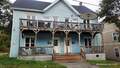
NORTH ADAMS, Mass. — Eric Rudd wants to preserve the former United Methodist Church and transform it into an art museum.
But he hit a snag at Monday evening's Planning Board meeting over the city's parking ordinance and then faced opposition from City Councilor John Barrett III.
"The good news is if you accept this application, the Methodist Church site won't be the site of a CVS or Walgreens," Rudd said, alluding to the potential razing of St. Francis of Assisi.
Rudd envisions a free, public museum that will act as a "bookend" to the downtown full of galleries, restaurants and shops. He also hoped the Western Gateway Heritage State Park could serve as the other bookend some day.
"All of this adds up to more reasons for [Massachusetts Museum of Contemporary Arts] visitors to go downtown, walk up the street, and shop, and eat and experience other cultural venues," Rudd said.
He said he understood that there would be questions about parking based on zoning.
Building Inspector William Meranti said the church is "literally across the street" from the central business district that's excluded from the parking requirements and instead lands in a neighborhood commercial district that requires, at minimum, one spot for every 250 square foot of a building. That would require "a lot" of spaces, he said.
Rudd explained the immediate vicinity of the church — including East Main, Ashland, North Church and Main streets — has 60 metered parking spots that he only ever sees fill up on Sunday mornings. He said there's also 2,390 parking spots throughout the downtown.
"We have a lot of parking is the point I'm trying to make," he said, also noting that at most, if the museum was a success, would likely see only five cars parked. He anticipates mostly foot traffic and mentioned that he just attended a meeting focusing on creating a more walkable and bike-friendly downtown.
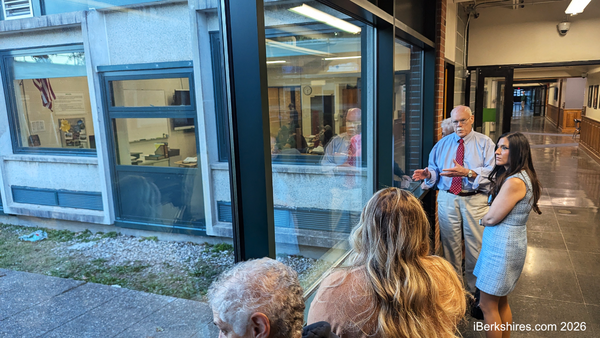
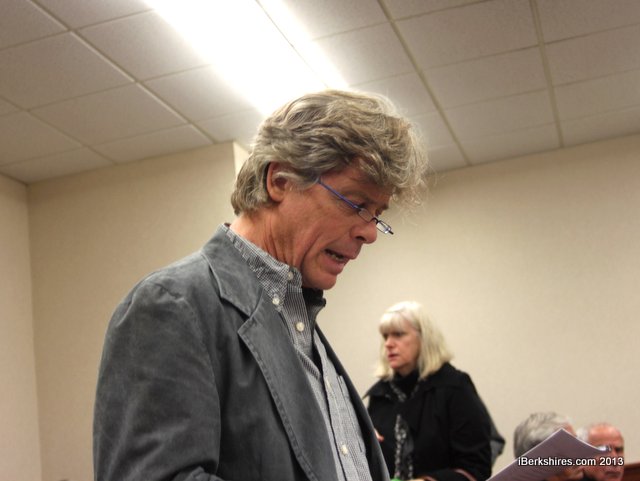 Eric Rudd stressed that there is already enough parking downtown to handle his proposed museum. Eric Rudd stressed that there is already enough parking downtown to handle his proposed museum. |
"This board does not have the authority to waive the parking requirements under the zoning ordinances," Leary said. "The Zoning Board of Appeals is the board that has the authority to waive the parking ordinance."
Leary said the board could have approved the change of use with the condition of going to the ZBA for a variance on parking, but board member Wayne Wilkinson and the chairman did not feel comfortable doing so.
"It's a beautiful structure, what would you do with this structure? In theory, nothing can be done with it if you are going to apply the strictest of parking standards," Rudd said. "It just amazes me because this is a building that will be preserved, made accessible to the public, respect the architecture and a real bonus to the town."
Rudd also asked for revisions to the size of the sign, extending the permission from 30 inches by 32 feet to 36 inches by 36 feet — just in case. Aside from possibly increasing in size, the sign will remain the same.
The low-laying, curved sign faced heavy criticism from Barrett.
"I'm opposed to this for several reasons, obviously the one that's most important is the character of that historical district," the city councilor said, arguing the sign "certainly wouldn't fit into the character of it." He also said he believed the city wouldn't want that and the Historical Commission should take a look into it.
Rudd informed Barrett that sign designer Keith Bona, also a city councilor, showed the design to the commission, but Barrett could not "believe forsakenly that that sign was ever approved by the Historical Commission."
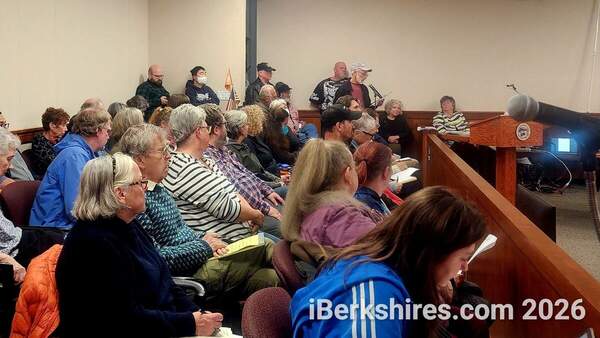
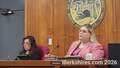
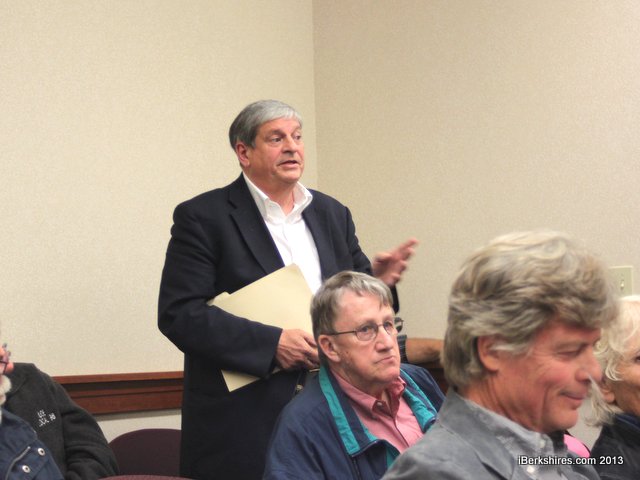 City Councilor John Barrett III opposed the museum, emphasizing the sign wouldn't fit the character of the historical district. City Councilor John Barrett III opposed the museum, emphasizing the sign wouldn't fit the character of the historical district. |
Barrett also said the museum would bring no tax revenue and no jobs. However, Rudd said on Tuesday, if all had gone as planned on Monday, that six or so workers would have been at the museum.
The Planning Board decided to send the project to the ZBA to figure out whether the property will be granted a parking variance and then it can return to the board.
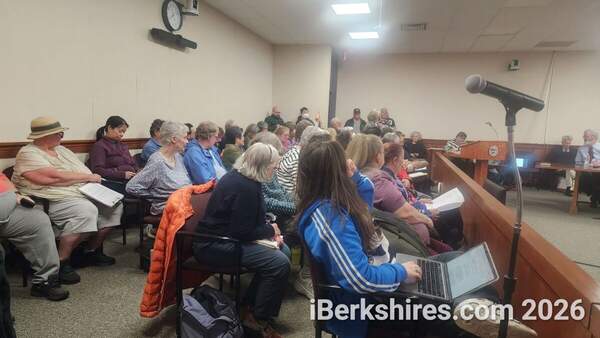
The project, officially spearheaded by the Barbara and Eric Rudd Art Foundation, was set for review at May's Planning Board meeting that was canceled because the board failed to reach a quorum. Rudd won't be able to return to the Planning Board until August because the next ZBA meeting will fall after July's Planning Board meeting.
Tags: church reuse, museum, parking, Planning Board,