Markey Talks Economics, Tours Pittsfield Police Station
 |
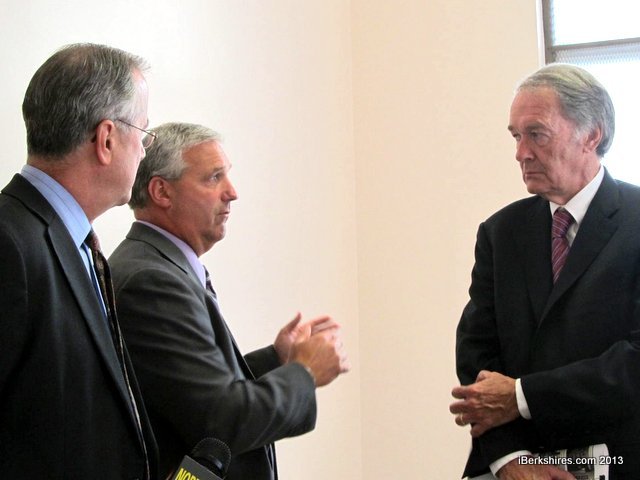
PITTSFIELD, Mass. — Local officials on Tuesday found a welcome ear for the region's troubles in U.S. Sen. Edward J. Markey, who is touring the Bay State as he settles into his new position as the state's junior senator.
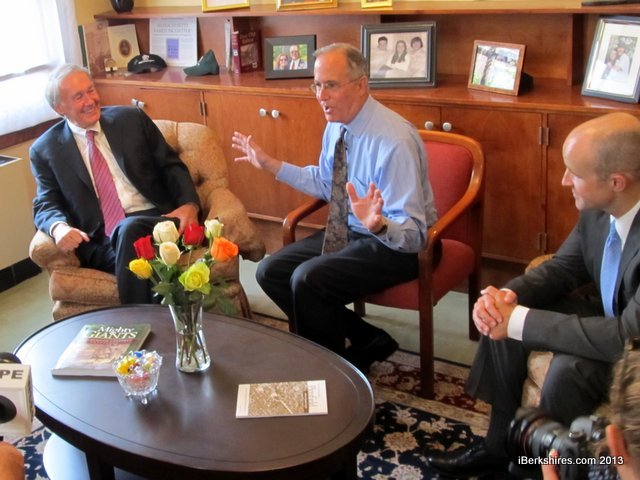
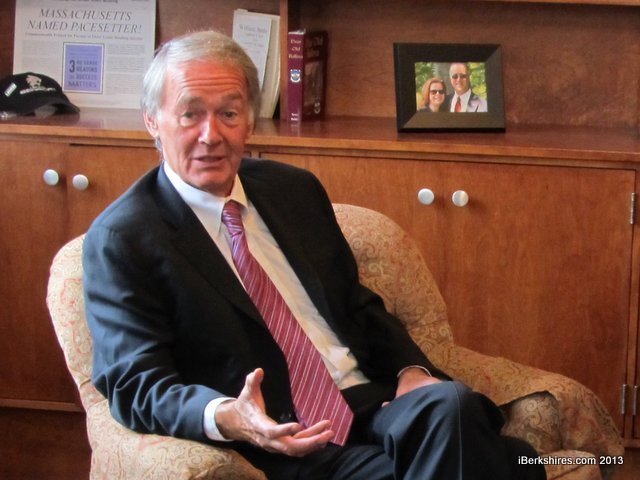
"I think that Pittsfield is really the center of this area and it's important for Pittsfield to thrive so it actually creates a heartbeat for the Berkshires, so it creates a sense of long-term prosperity," said Markey, after hearing about some of the Berkshires' economic and transportation needs. "It's all about the economy, it's all about job growth, it's all about putting together a business plan for the 21st century."
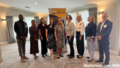
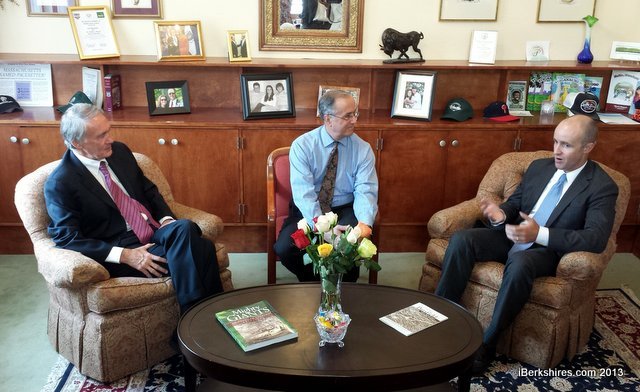
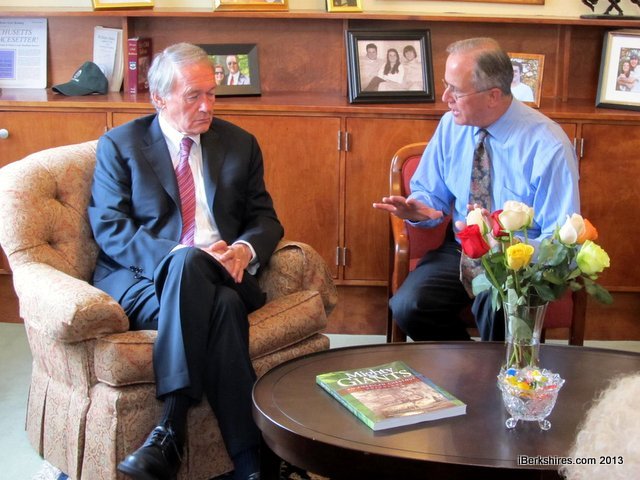
Meeting in Mayor Daniel Bianchi's office at City Hall, Markey heard from the mayor, Berkshire Chamber of Commerce President Michael Supranowicz, state Sen. Benjamin B. Downing and Eugene Dellea, president of Fairview Hospital and Berkshire Medical Center's Hillcrest Campus, and Sheriff Thomas Bowler.
Supranowicz expressed his concern over the loss of population — about 3 percent a year — that's been occurring since GE folded. More deaths than births and an outflow of young people is creating a situation that will drain funding from schools and the tax base.
"Our work force over the next seven to eight years may shrink by 8,000 to 10,000 people," he said. "That got us concerned so we're already starting to work on the issues."
The chamber and its business and educational partners are developing programs to show youth that careers can be made in the county such as internships and entrepreneurial programs.
Bianchi said there is also a push to show how attractive the area can be for startups and manufacturing, giving the example of a life sciences startup in Boston that is looking to the Berkshires for lower costs and better living conditions.
But there are stumbling blocks — some 16 acres of the William Stanley Business Park has foundations from the old General Electric buildings that could cost up to $10 million to remove to get the site ready for new manufacturing. Pittsfield is particularly looking to have a life sciences center located in the business park.
"I'm a great believer that we create opportunities as we make our area interesting to other people," said the mayor. "We're trying to encourage people to look at the opportunities that might be available out here in Berkshire County ... and that's where we'd come to you to help us prepare those opportunities."
Markey agreed that while he couldn't pump up the population, federal funding maybe available for programs to make the region economically attractive, including partnering on transportation and biotechnology. Some of that will be moving the life science development out of the universities and into the manufacturing field.
"I think that Western Massachusetts can play a big role in that area as well," said the senator. "And I think that we can work with federal funding, Community Development Block Grant money and other funding, in order to help the city, here in Pittsfield to reclaim some of its old GE properties and to repurpose them into a new manufacturing promise for the 21st century in a way that will attract young people, to stay here, to make their lives here and to make this region very prosperous."
It was important to not only keep young people in the Berkshires but in Massachusetts as a whole, he said, to ensure prosperity across the state.
"We have to work to ensure that Massachusetts continues to be the brain state. The universities and colleges of Western Massachusetts are part of this fabric of our state being the brain state," he said. "We have to create ways to hold all of these young people, or high percentage, here."
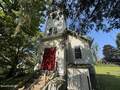
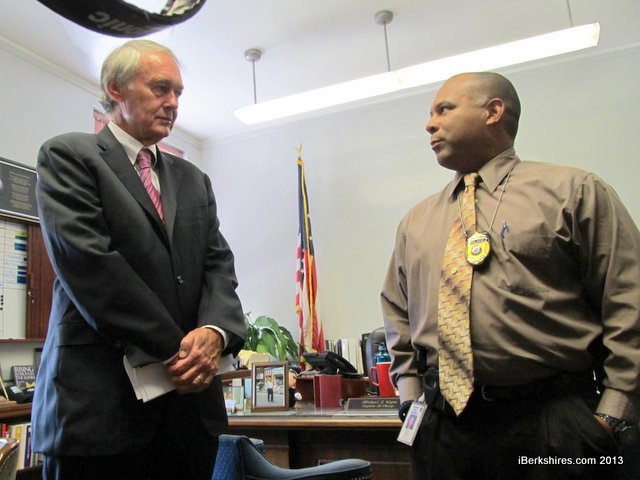
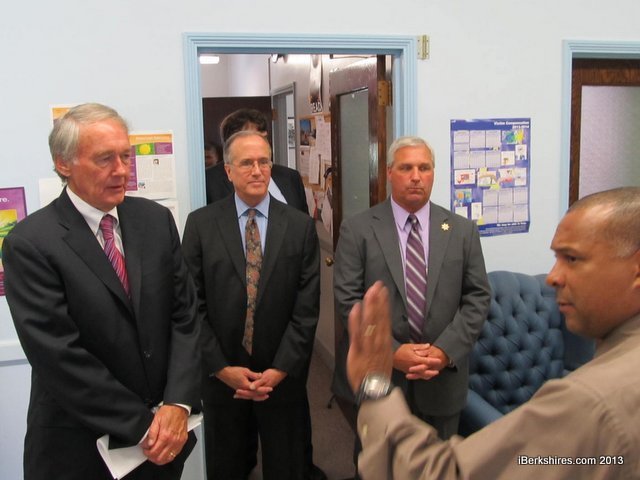
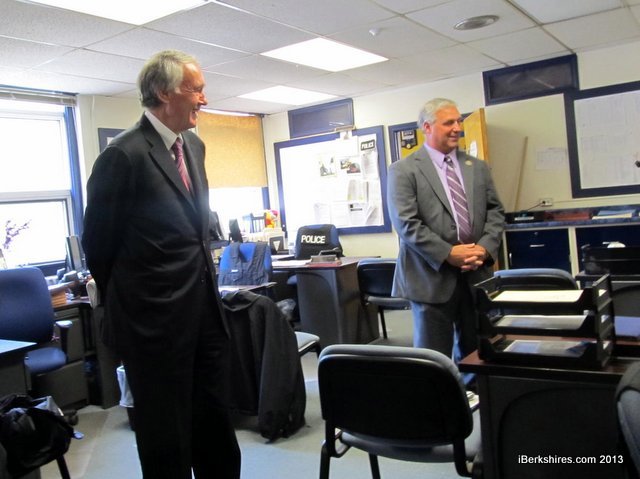
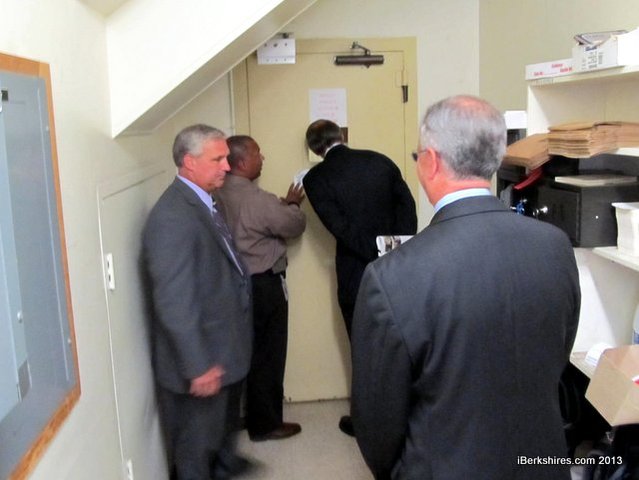
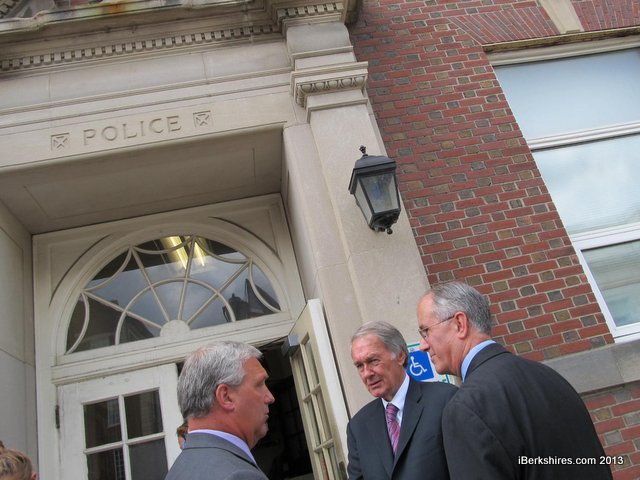
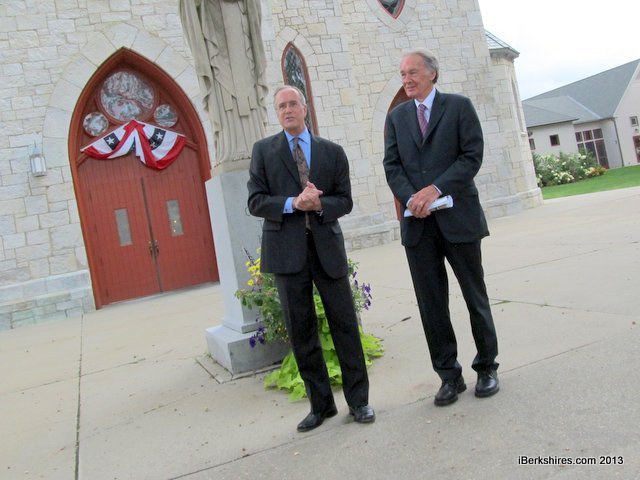
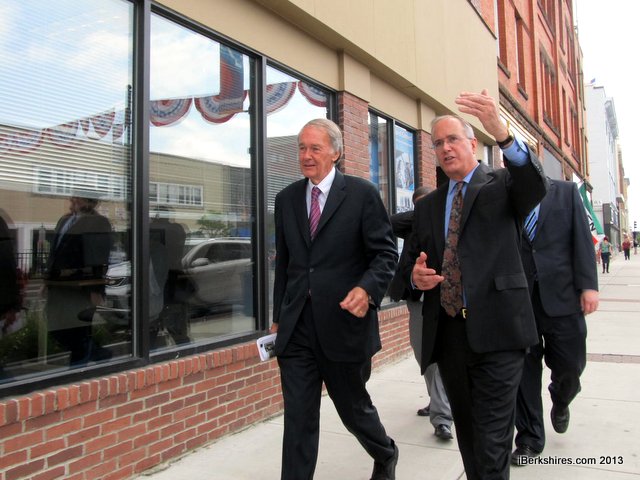
The senator later walked North Street up to St. Joseph's Church as the mayor pointed out some of the features — as well as the difference between the recent streetscape project to the section of the North Street that was not done. Markey also got a tour of the police station with Chief Michael Wynn and Bowler, a former Pittsfield detective.
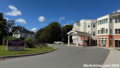
Wynn said the building was constructed in the 1930s and had held a number of social service agencies. It was also a bomb shelter, so running new wiring or plumbing often requires a jackhammer, he said.
The building is not handicapped accessible, its rooms are cramped, its temporary lockups appear to also function as storage areas, the basement locker rooms and training rooms often flood, the heating system is ancient cast-iron boilers and adding technology is difficult.
When it was built, the force was mainly foot patrols, there were no women officers or employees, and technology was non-existent, all things that have changed dramatically, said Wynn.
"We've expanded into all the available space," he said. "We've carved locker rooms and restrooms, and maintenance facilities out of space that were originally office spaces and now we're bursting at the seams."
Bianchi said he wanted to be sure the senator understood the constraints that the police force has to deal with to operate in the antiquated building.
"I want the senator to have a flavor for it," he said. "There are federal dollars from time to time available for certain public safety centers so I'd like him to take that vision of our facility back with him."
Bianchi said it was good for the state to "have somebody who knows how the system works and how to get things done," referring to the senator's long tenure as congressman for the 7th (now 5th) District.
The senator was in Pittsfield as part of a swing through Western Massachusetts that included stops in Chicopee and Springfield before turning back north for a tour of the John Olver Transit Center in Greenfield.
The Malden Democrat said he was still getting used to being senator but it hasn't been too hard: He's found 51 of the Senate members had served with him in the House. He's also moved into John Kerry's old office and hired some of his staff to complement his own.
Still, he joked that "congressman was my first name ... so it does take a little time to adjust to a having new first name."
Tags: economic development, Markey, police station, senator,