MCLA Opens Campus, New Science Center
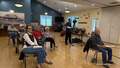
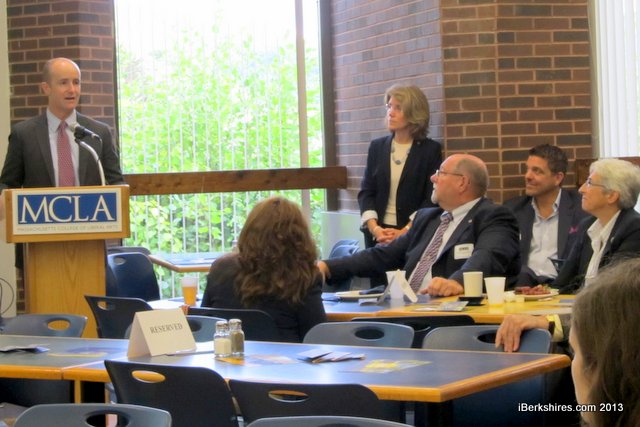
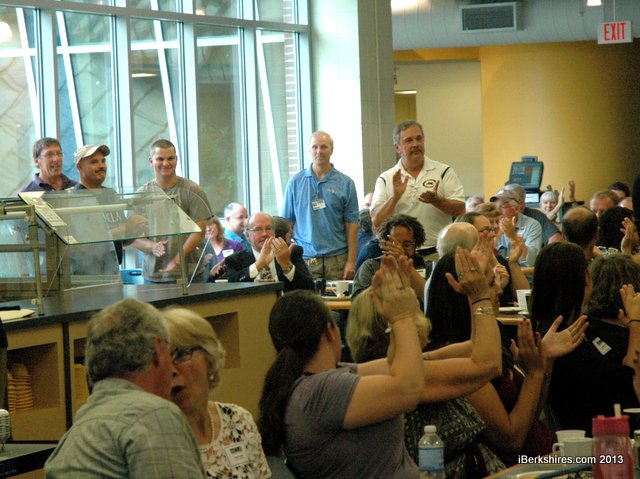 The facilities crew gets a round of applause for their efforts on Tuesday at MCLA's traditional opening breakfast. The facilities crew gets a round of applause for their efforts on Tuesday at MCLA's traditional opening breakfast. |
|
 |
 |
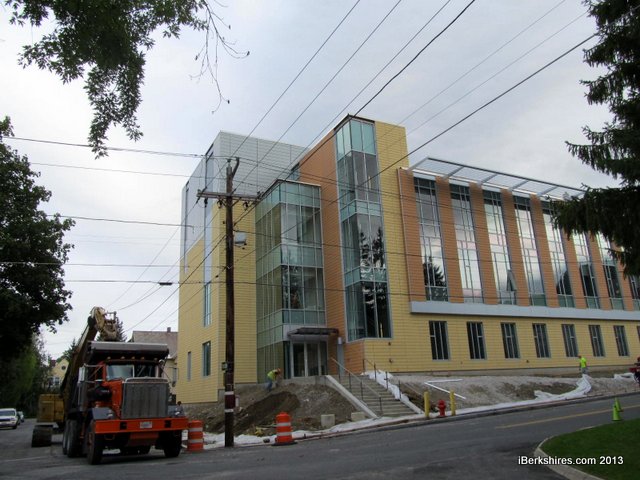
NORTH ADAMS, Mass. — Two words have been haunting the opening breakfasts at Massachusetts College of Liberal Arts for years: Science center.
The words reflected at first a vision, then a hope, a plan, a location and, finally, a physical reality.
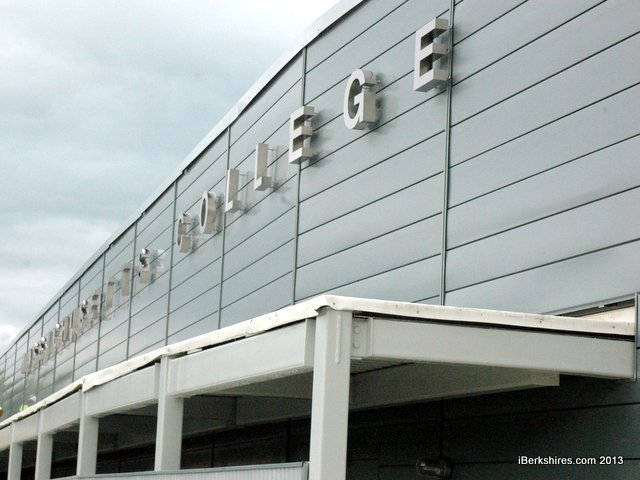
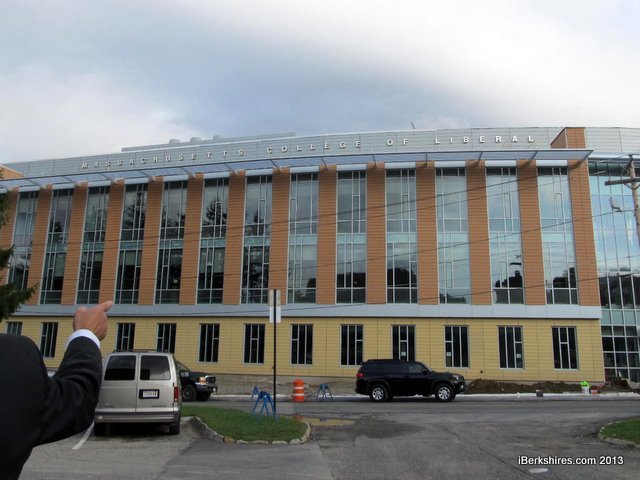
While the crowd at this year's breakfast in the Amsler Campus Center couldn't see the four-story building across the campus, the knowledge it was there lent a sense of satisfaction to the proceedings.
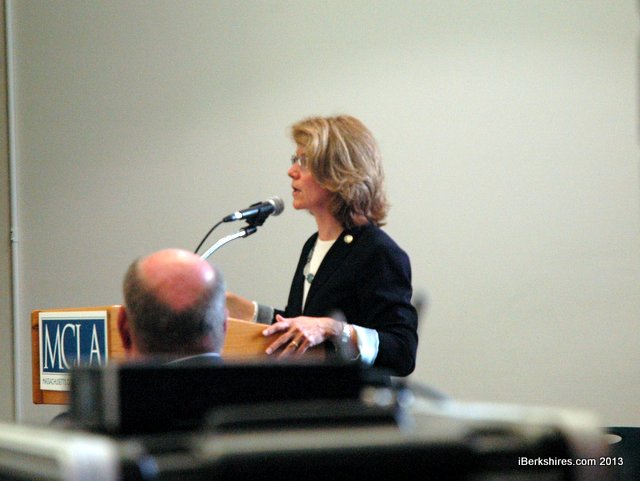
"Please wipe your feet," said President Mary Grant on inviting the college community to tour the brand-new building.
"It is wonderful to see this building come to life," she said. "We began with a series of conversations with imagining how we want to teach and learn and engage and to then to see that turn into physical space ... ."
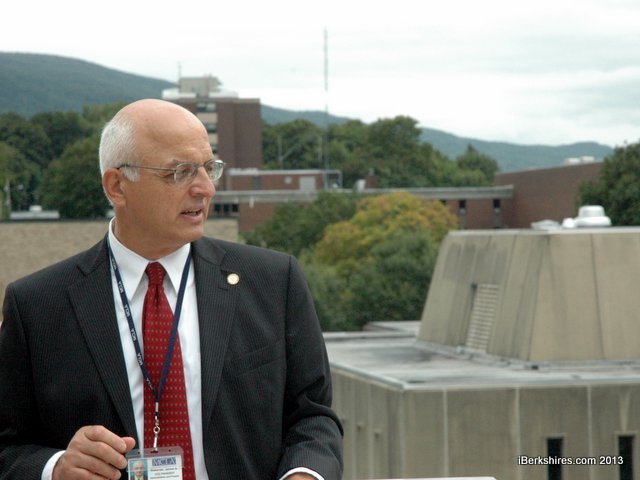
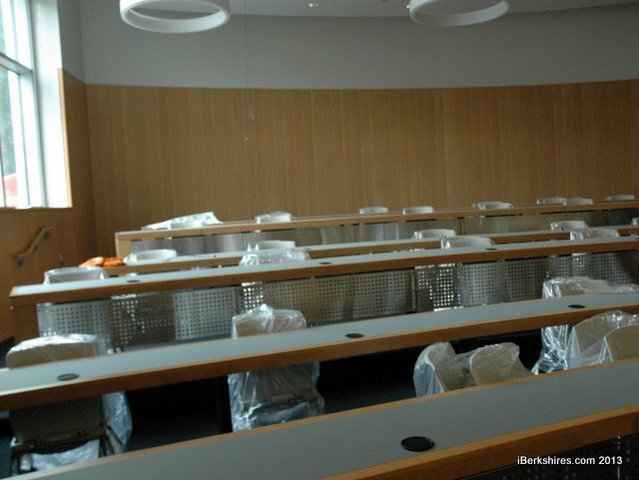
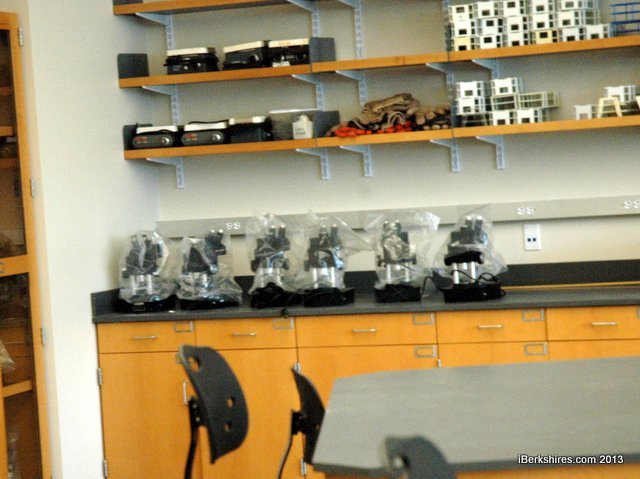
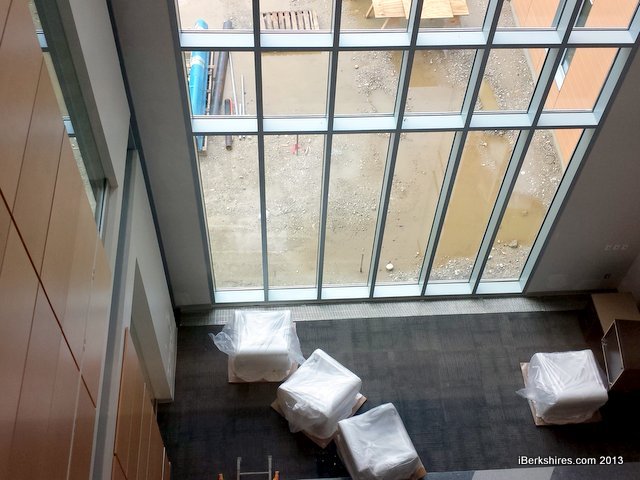
After two years of construction, classes in the building start on Wednesday. The instructors have mostly moved in but there are still piles of boxes to unpack, furniture wrapped in plastic and workers finishing up a punchlist of items. James Stakenas, vice president of administration and finance, leading a tour of the building after the breakfast, said the instructors have time to get their labs in order since they won't start those for a couple weeks.
Professor Daniel Connerton said he'll have the students unwrap the chairs in the new 72-seat auditorium classroom, "and then we'll find the lights."
The history and political science instructor will lead the first class in the building at 8 a.m. on Wednesday.
"It's just tremendous," he said of the building. "It's going to be great fun."
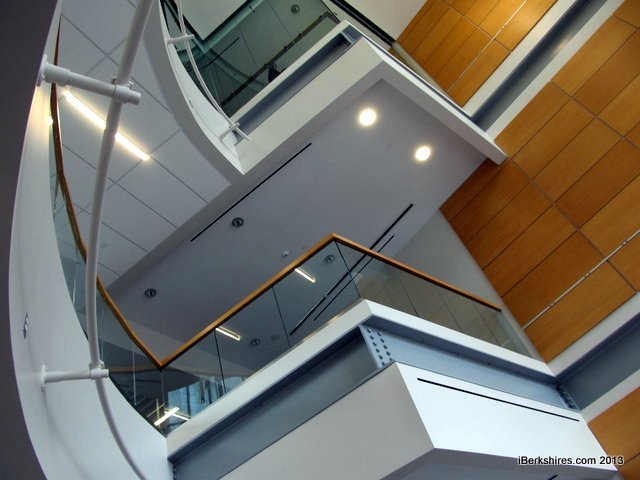
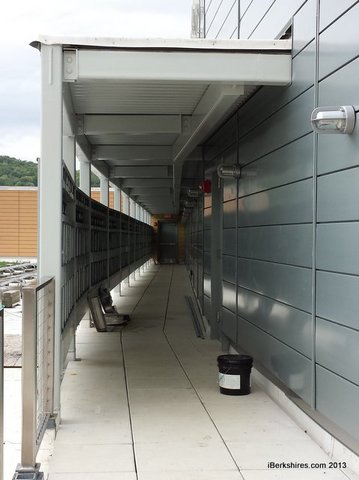
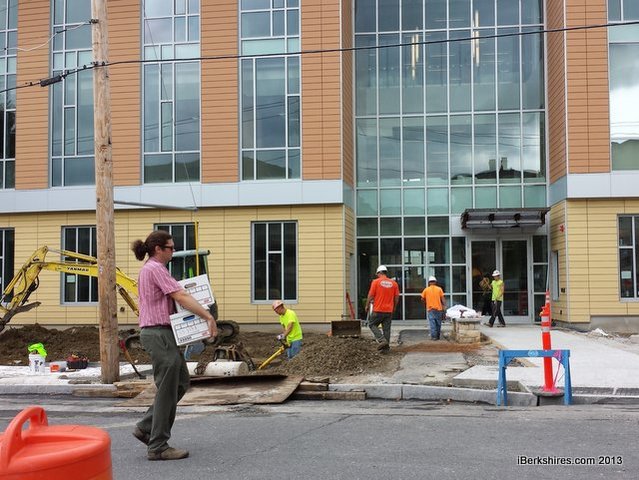
The imposing structure is surprisingly light and airy inside, helped by soaring window walls and glass interior walls and corner stairwells.
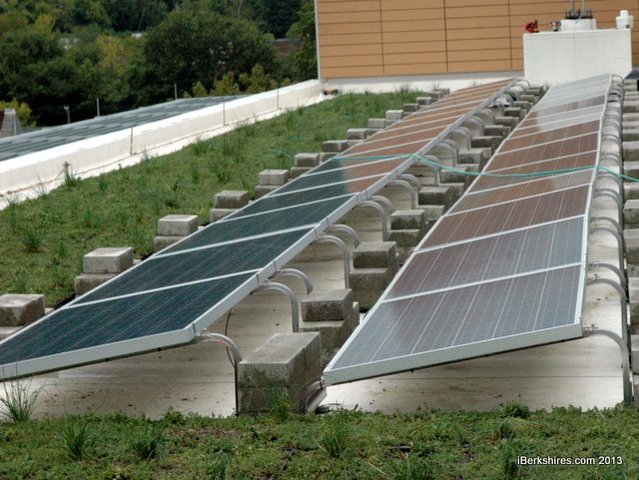
It's fully wired — electrical and otherwise — to accommodate the technical needs of faculty and students. Stakenas said more than 700 data points in the building can be monitored, ranging from carbon dioxide levels to lights to sustainable energy installations on the roof (the small solar array will soon get a wind turbine partner).
The building is designed to allow for future growth, for instance by creating an open space in the office suites that can be converted into a office with minimum effort.
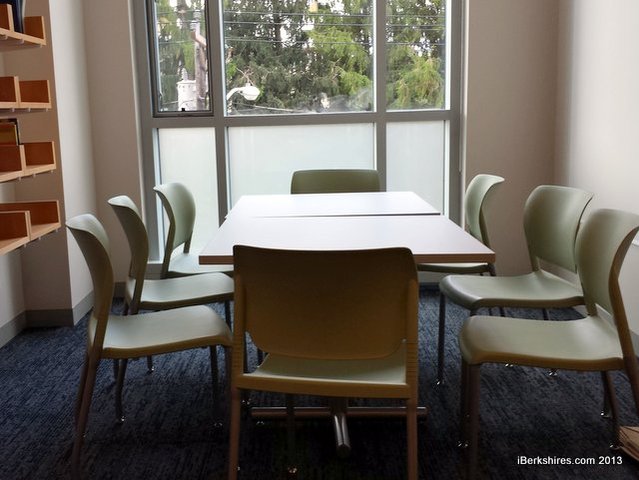
"This building actually has a modicum of space for every faculty member to have a unique spot for their own research," said Stakenas, replacing "desk corners" and other odd spaces. The research areas have room for work with students and a central space for non-clean items like laptops and lunch. "There is one on every floor for faculty research."
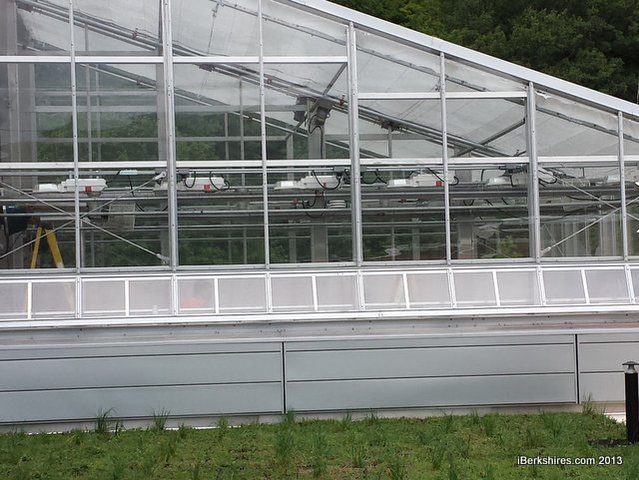
Physics is on the ground floor, biology and environmental sciences on the second and chemistry and psychology on the third. The fourth-floor penthouse holds the mechanicals and a set of green houses — one for classroom and one for research. It also hosts the more obvious green elements, like the solar array and water garden.
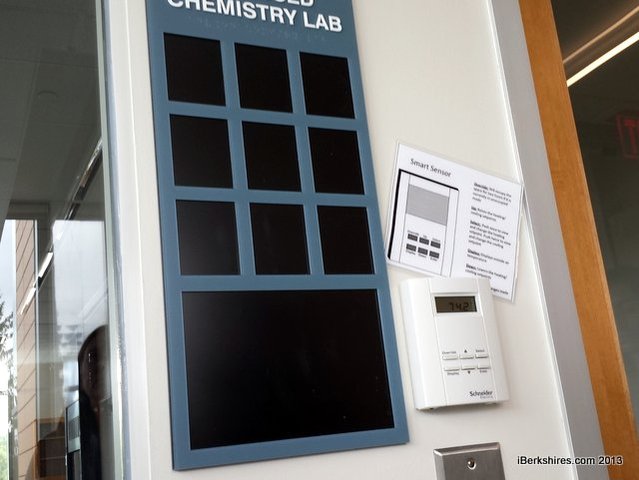
Hoods, sinks and other equipment are handicapped accessible and state of the art. A digital panel outside each chemistry lab, for example, with show the class in session as well as the chemicals in use.
"This is the first time in 40 years we've brought a new building online ... this is 65,000 square feet," said Grant, comparing the science center to dealing with buying a new house — and the mortgage payments that come with it. "We will have our challenges in terms of our resources being stretched thin but we'll get through it."
The official ribbon cutting will be held on Oct. 4, but local officials already see the $40 million investment as a boon to the economy.
The college is important not only to North Berkshire but to the entire county economy, said Pittsfield Mayor Daniel Bianchi. "The things that you've done, the things that you're going to do in a few weeks when we will be walking through the beautiful new science center ... That is going to have a tremendous impact on economic development in this region."
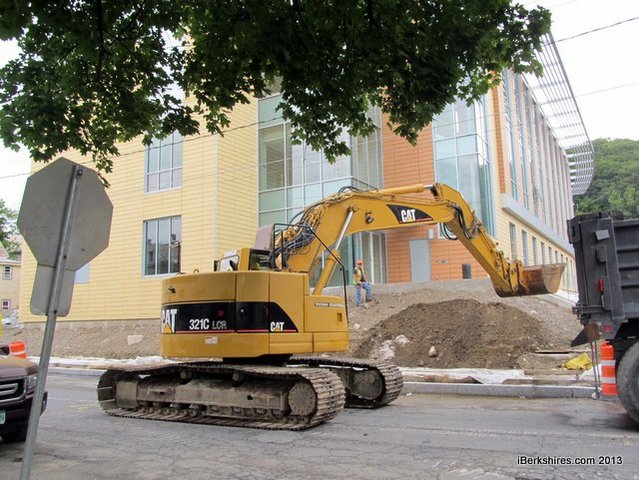
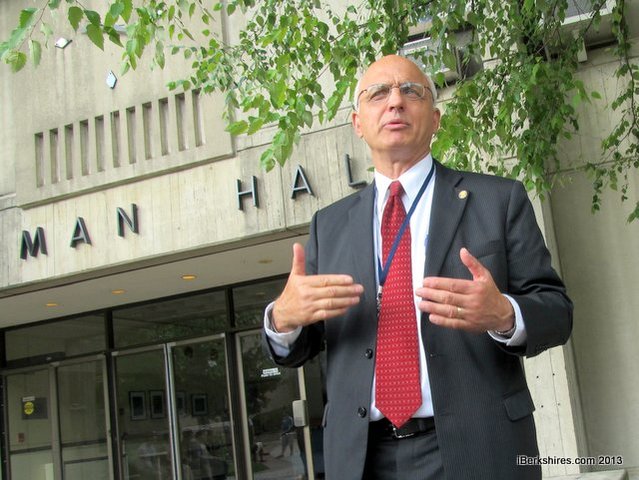
The science center isn't the only project on campus: The former Shapiro salvage yard on Ashland Street has been demolished to make way for a new facilities building and Bowman Hall is next in line for an update as part of the $54 million bond that funded the science center.
 |
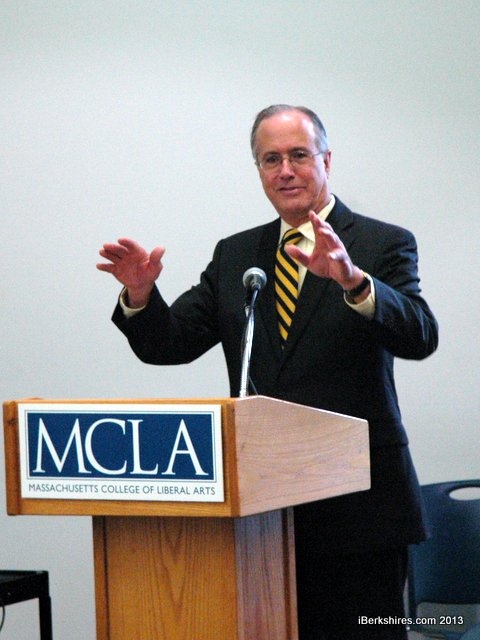 |
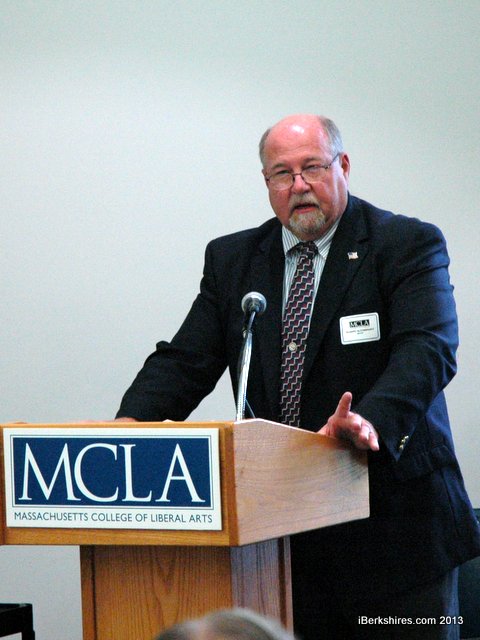
| Mayors Richard Alcombright, left, and Daniel Bianchi spoke at the breakfast. | |
 |
|
Bowman is closed, with classes being moved to other halls and the visual and performing arts department ensconced at Massachusetts Museum of Contemporary Art for the interim. Stakenas said bidding on the project has not yet taken place. Bowman is expected to hold the college's arts, math and computer programming departments.
In other business at the opening breakfast, Grant welcomed new staff and faculty and thanked those who had helped with the new building move and in setting up for the incoming classes.
"Thankfully, these past few budget cycles we're starting to do what Massachusetts has't done for too long," said state Rep. Benjamin B. Downing, "which is to match our reality to our rhetoric in espousing higher education.
"We have finally started to invest again not just in the infrastructure, which is incredibly important, but in the budget and in access to higher education. We have much, much more work to do."
Charles Cianfarini, president of the local Association of Professional Administrators, and Elizabeth Manns, steward of the local American Federation of State, County and Municipal Employees, reminded the gathering of the important role unions have and continue to play for workers; Dana Rapp, president of the Faculty Association, urged greater efforts to solve the inequalities that limit success in higher education. Also speaking were state Rep. Gailanne Cariddi, D-North Adams; Berkshire County Chamber of Commerce President Michael Supranowicz President of the Board of Trustees Tyler Fairbank; new student Trustee Alyson Stolz and SGA President Jake Powers. State Rep. Paul Mark, D-Peru, and representatives from Gov. Deval Patrick's and U.S. Rep. Richard Neal's offices also attended.
North Adams Mayor Richard Alcombright said the college was a valued member of the community.
"The melding of this campus and of our greater community truly makes me feel part of what happens at MCLA each and every day," he said.
Enrollment is up with some 450 new students arriving on campus from 11 different states and with 10 coming in as exchange students from other countries.
Grant said the signs are looking good — especially the new ones at the exits off the Massachusetts Turnpike and on Interstate 91 at Greenfield that direct motorists to the college.
"We don't tell them there's another 100 miles to go," she laughed.
Tags: life sciences, MCLA, school project, science center,