County Organizations Band Together To Fight Opioid Addiction
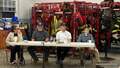
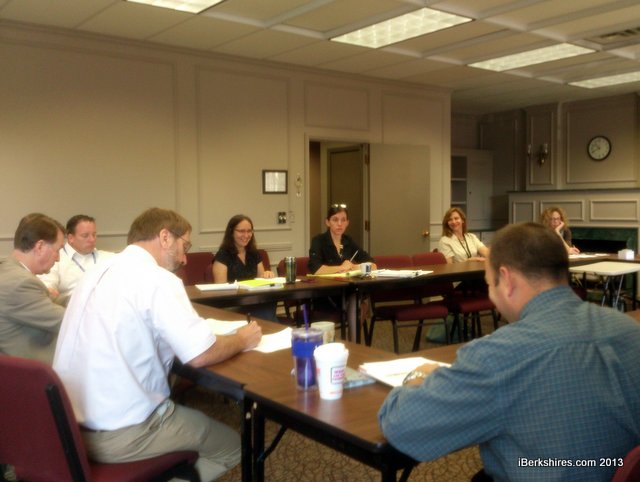 The Berkshire Opioid Abuse Prevention Collaborative held their second meeting on Wednesday. The Berkshire Opioid Abuse Prevention Collaborative held their second meeting on Wednesday. |
PITTSFIELD, Mass. — Organizations from North Adams to Great Barrington have banded together to fight opioid addiction.
The Berkshire Opioid Abuse Prevention Collaborative steering committee held its second meeting on Wednesday as the group assesses the county's abuse problems.
The research is capturing how widespread the problem is, identifying target areas and analyzing the resources the county has or needs. The study will lead to the planning and implementation of interventions to reduce the number of addicted county residents.
The group is funded with a four-year grant from the state Department of Public Health with $100,000 allocated for each year.
The newly formed organization includes the district attorney's office, the state police drug task force, Northern Berkshire Community Coalition, Berkshire Health Systems, the Tri-Town Health Department, the United Way, the Railroad Street Youth Project and is working with a number of others including the Brien Center and the Youth Development Program.
They have compiled existing data about the problem — from the number overdoses to number of prescriptions issued per year — and are now delving into holding forums to hear from the community and conducting interviews with addicts and organizations as they craft an outline of the situation. Next month, they hope to have a full understanding of the issues and will then create a strategic plan to reduce the numbers.
Overall, the group knows there is a cycle of people first getting addicted to prescription pain medication and then turning to heroin because of costs.
"It's like every one is reading the same book and reciting the same story," said Jennifer Michaels of Berkshire Health Systems.
One of the organization's aims is ways to limit the amount of pills available to lower the number of people entering the addiction cycle. Data collected since the 1990s shows the number of opioids prescribed has increased each year.
According to District Attorney David Capeless, the trend has continued to rise, just at a slower rate than five years ago. He said doctors in Berkshire County prescribe about 2 percent more than the previous year.
Nearly all of the representatives agreed that seldom does an addict start with heroin; instead, he or she mostly starts with prescription pills, then turns to heroin pills because they are cheaper. Eventually, a tolerance is built. Amanda Timpane of the Railroad Street Youth Project said every one of the people she has met fighting addiction started with prescription pills.
In the grant application, Berkshire Health Systems reported that in 2008, 13,943,380 tables were prescribed and each year between 2009 and 2012. The hospital has seen an average of 40 overdoses per year. The number of overdoses have grown by 600 percent since 1996, according to the opioid coalition.
"It started in the '90s and we saw the results: We have a whole generation addicted to prescription pulls," Michaels said.
Capeless said the group needs to implement programs to convince doctors to prescribe less. The issue isn't bad doctors, he said, but that the "normal" prescription is getting people addicted.
"If they are still prescribing the norm, it is still overprescribing," Capeless said.
He wants to see a program in which the hospital traces an addiction back to the original prescription and informs the doctor of what happened to "give them a name and a face to say this led to this."
"There is a whole subset that didn't have a choice. They became addicted," Capeless said.
Lt. Brian Foley of the state police said an educational campaign wouldn't work, that change needs to come from inside the profession.
"It can't just be us trying to educate. Who am I to educate a doctor? That has to come from the medical community," Foley said.
Meanwhile, the state has implemented a prescription monitoring program that the group believes will reduce "doctor shopping," meaning an addict receiving multiple prescriptions. Michaels said the majority of the doctors have enrolled in that program but others — including dentists — have not. The group is hoping to get even more doctors enrolled and to consult the database of prescriptions often.
Another goal is to increase awareness of drop boxes where patients can drop off unused pills instead of throwing them out where addicts could get to them, or giving or selling them away. Currently there are six drop boxes in Williamstown, Sheffield, Great Barrington, Adams, Pittsfield and North Adams but there was a feeling not enough resident were aware of them.
Lois Daunis of the Northern Berkshire Community Coalition has organized an effort to share information on the Good Samaritan laws, which protect people from arrest if they call 911 to report an overdose, and Tri-Town Health Director Jim Wilusz is tasked with working with people in Lee who are trying to organize a Learn to Cope group, a support group for recovering addicts.
Tbose are the beginnings of the countywide effort; more planning will be done this year for an array of initiatives.
Tags: addiction, health coalition, opiods, task force,