Pittsfield Committee Examines Space Use For School Building Project
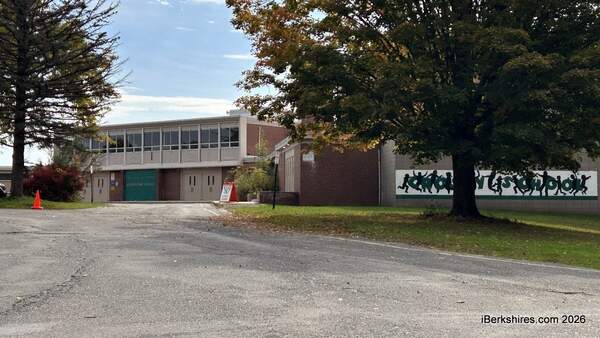
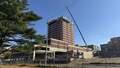
 The School Building Needs Commission will have to determine the size of the new Taconic High School. The School Building Needs Commission will have to determine the size of the new Taconic High School. |
Carl Franceschi of Drumney Rosane & Anderson Architects Inc. presented to the committee the standardized guidelines for allowable space ratios used by the Massachusetts School Building Authority, whose approval any proposed design must meet in order to secure up to 80 percent reimbursement funding for the project.
"This is going to be a point of discussion as we move forward," said Franceschi. "The state takes very careful consideration of the size and therefore the cost of these projects and they monitor it very carefully, and it has been justified."
Space used in the design must be justified through the educational plan put forth by city school officials, Franceschi told the committee, much of which will be ultimately decided by the separate School Committee and department administrators, and then used by the commission and DRA Architects to craft an initial facility proposal to the MSBA this summer.
Under the MSBA's guidelines, space allotment in a comprehensive high school, which offers academic and vocational learning, are significantly larger square footage than purely academic schools, according to Francesci. State guidelines for comprehensive schools are 225 square feet per student, which at an estimated Taconic enrollment of about 960 students would dictate a building around 216,000 square feet, though DRA suggested a possible design size of more than 226,000, depending on the educational plan proposed.
Through some back and forth discussion, the commission will negotiate the space needs for its design with state authorities as part of the first phase of the feasibility process, and by late April will have arrived at an agreed-upon square footage for the new or renovated and rebuilt school building.
While the ultimate educational plan for the building spaces will be developed by school administrators and the School Committee, the commission may have some role in advising what is feasible based on the state's guidelines.
"We may have to make some hard decisions on what we can afford and how to pursue that from all sides of the building, to help guide the administration," said Franceschi.
In addition to more recent meetings with the school department and assisting consultants from Skanska, DRA last week began some initial tours of the Taconic building with contractors, and next week will begin meeting with vocational teachers and the vocational advisory board there to gather input on the technical curriculum.
As the process moves forward, the first of several anticipated community meetings on the school design study could be as soon as a month from now, a time frame Francesci suggested might be appropriate.
"We all know that's a big piece of this project," said commission Chairwoman Kathleen Amuso, who suggested teams from the large commission could split up responsibilities to expedite the process of hosting multiple public input meetings, "To make sure we help educate the community as we decide."
Tags: school building committee, school project, Taconic High, vocational program,