Pittsfield's Juvenile Resource Center Will Vacate Prison Building
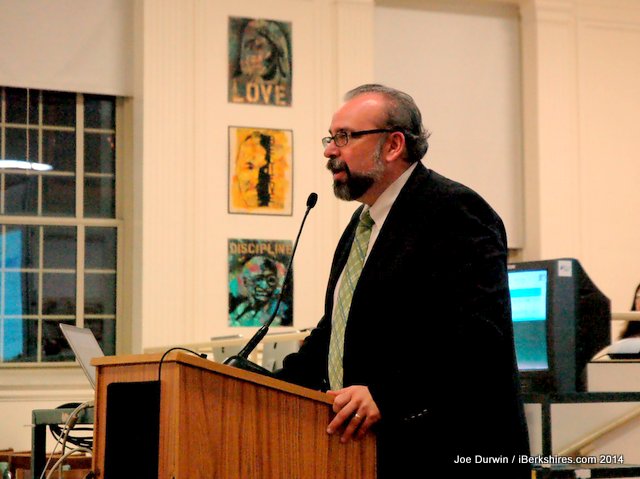 Superintendent Jason McCandless said the School Department is seeking a new location for the alternative program. Superintendent Jason McCandless said the School Department is seeking a new location for the alternative program. |
"Moving into the next academic year, the JRC will no longer be at the same location," Superintendent Jason McCandless told the School Committee on Wednesday.
The superintendent said the decision had come from the sheriff's department, which has informed the district that it needs the former jail building for other purposes. But McCandless said it's a development that the department doesn't oppose.
"In fact, we're leaping at the chance to move those programs and the young people they serve out of that space," said McCandless.
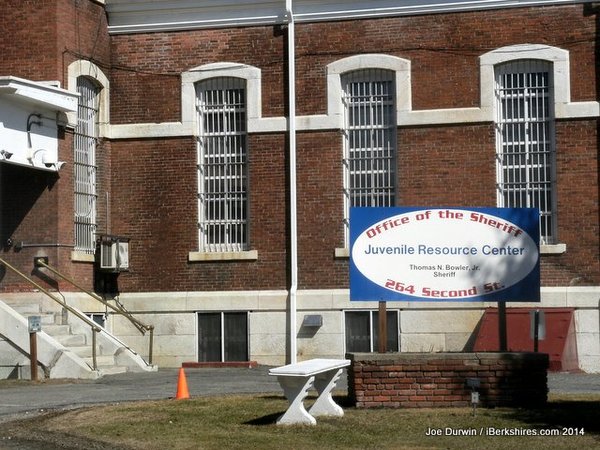
The Juvenile Resource Center, which educates students who for disciplinary or related reasons cannot be served by the city's two high schools, has recently come under fire from the NAACP and others, in large part because of its location.
McCandless acknowledged on Wednesday that the site of the JRC sends a problematic symbolic message, though he defended the programs that go on there as vital to many students.
"I think it absolutely sends the wrong message," the superintendent told the committee. "As often happens with public programs, the program exists where affordable or free space exists,"
The superintendent noted that in most other school districts in Berkshire County and throughout the commonwealth, most of the students the center serves would simply be expelled and unable to attend any public high school. Many districts also permanently exclude youth with a felony conviction from public schooling, but because of its alternate option, Pittsfield does not.
"Pittsfield is committed to serving these students and keeping them in school, even if that school is not actually physically a school," McCandless stated, referring to components like the JRC's drop-out program as "literally, a life saver."
Because of the nature of the programs, the superintendent said, it does require some elements of security that are afforded by the collaboration with the sheriff's department.
"Sometimes they need to be in a place with a metal detector," McCandless acknowledges. "A place where there's somebody beyond a teacher or a tutor, who is capable of enforcing some order."
A new home for the school has not yet been located, however, and the School Department is actively seeking rentable space that is either already up to code for educational usage or willing to upgrade to the requirements.
"Right now, in all honesty. we're in a bit of a panic as to where do we go," said McCandless. "We're not exactly sure where we're going to go, but we have been working on it and brainstorming with some really positive results so far."
Anyone who may have suitable space available may contact Deputy Superintendent Kristen Behnke at 413-499-9502.
Tags: alternative programs, Pittsfield School Committee, school program, sheriff,