Pittsfield Outreach Workers Being Mentors to At-Risk Youth
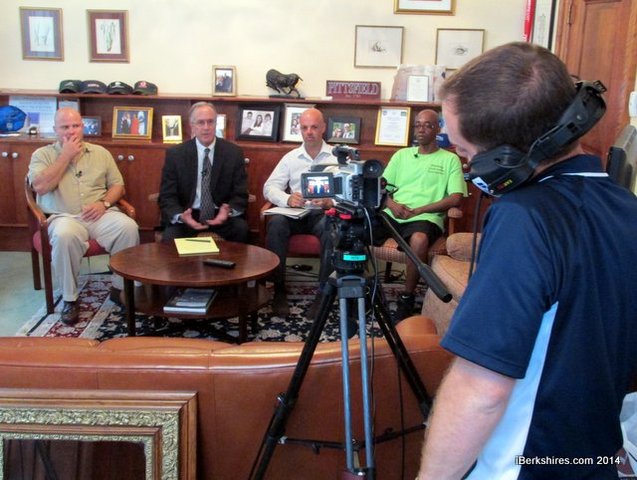
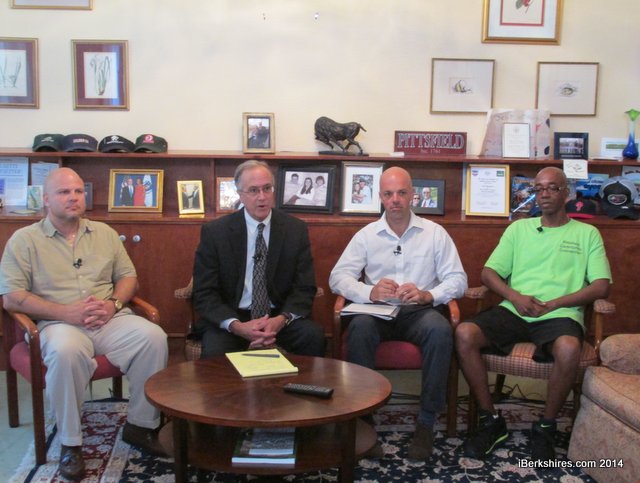 Mike Williams, Mayor Daniel Bianchi, Adam Hinds and Jamal Taylor filmed a show on Pittsfield Community Television on Tuesday talking about their efforts. Mike Williams, Mayor Daniel Bianchi, Adam Hinds and Jamal Taylor filmed a show on Pittsfield Community Television on Tuesday talking about their efforts. |
On Monday, Aug. 18, he heard the news of a 17-year-old being shot in broad daylight by another juvenile in Pittsfield. He rushed to the hospital and met with the victim's friends and family and he delivered one message: Don't go for retaliation.
"The sad thing about all of it is that these kids were once friends," Taylor said on Tuesday.
Taylor knows firsthand about the gang lifestyle because he's lived it. And with that credibility, he can look young men in the eye and honestly tell them the consequences of certain decisions.
"In the last three or four years, I made the decision that I wanted to change my life and try to give something back to the community," Taylor said.
He became an outreach worker. He is working for the city through the federal Sen. Charles E. Shannon Jr. Community Safety Initiative grant. He hangs around parks. He hangs around schools. And he talks to those who he can tell could go the way he did.
"It requires somebody with that credibility to say, 'I've gone down that path and it didn't work.' They're not going to listen to me. Their not going to listen to the principal or teachers," Shannon Grant Coordinator Adam Hinds said.
Mike Williams has a similar story. He was in and out of jail for 15 years.
"I was doing life on the installment plan," Williams said.
When he was in jail, his kids grew up without him. When he got out, his friends no longer cared for him. It wasn't his friends who were loyal. It was his family. So he got away from that life. He, too, signed up to be an outreach worker.
"I've been involved in criminal activity most of my life. I spend 15, 16 years of my life incarcerated. That's a third of my life. And I want to give something back. I took from the community for so long," he said.
While there are studies and demographics and personalities that are more likely to fall into gang life, Williams said, it doesn't take all of that to spot somebody like him. It isn't hard for him to see those who could easily fall into the lifestyle.
He's helped one young student get into Berkshire Community College by helping to fill out financial aid forms and other aid. And he is tasked with finding at-risk youth and connecting them with whatever type of help they need. But more importantly, he's there to become friends with the kids and show them that they don't need a gang to feel like they belong.
"When I got involved in a gang, it was more about being part of something. A lot of these kids are missing that. What we try to do is offer them alternatives," Williams said.
Taylor keeps his phone on 24/7 for the neighborhood kids to call him about anything. He's been there and he can give them guidance.
Having those two out in the neighborhoods or talking to school groups or sitting in with the court-assigned Bridging the Gap program is only one portion of the grant, according to Hinds. Another aspect is forming "caretaker councils" and community centers for parents to share information and resources and run programs. Those are targeted in areas with high numbers of arrests, poverty, or truancy.
"They give us a fair amount of flexibility with what we can do," Hinds said of the grant.
The city reeled in the grant two years in a row. The first one opened community centers in public housing facilities — the first being Dower Square. Second year grant of $100,000 brought on Hinds.
"When I first got into office, I realized we had a gang issue in the city of Pittsfield and I reached out to the Department of Justice and they said there was a grant program — the Shannon Grant — that helps communities deal with youth violence," Mayor Daniel Bianchi said.
"We are not going to be defined by crime statistics. We are a cut above that," said the mayor, who hopes the city can pull in more grant funding in the future.
He cites the Westside Initiative and the Morningside Initiatives — in existence long before the shooting last month — that are growing the community effort to combat youth violence.
"Being able to show what we are doing at the community level and at the grassroots level, showing that we are ready, willing and able to help families that are struggling with these types of issues, it is going to put us in a better position going forward to approach state and federal programs that have funding for initiative. It is going to put us in a better position to ask for help from state and federal programs," Bianchi said.
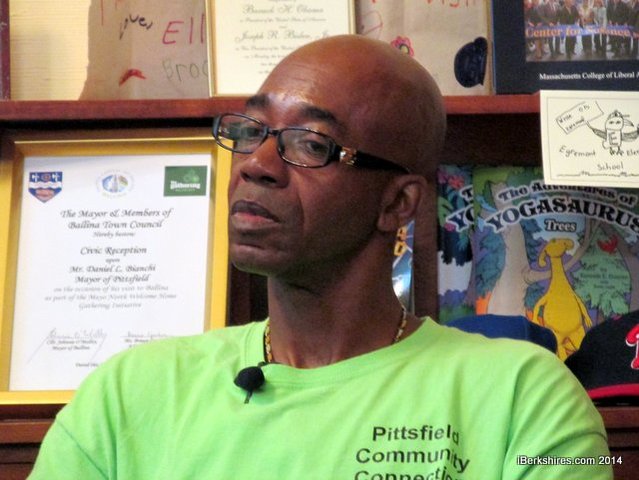
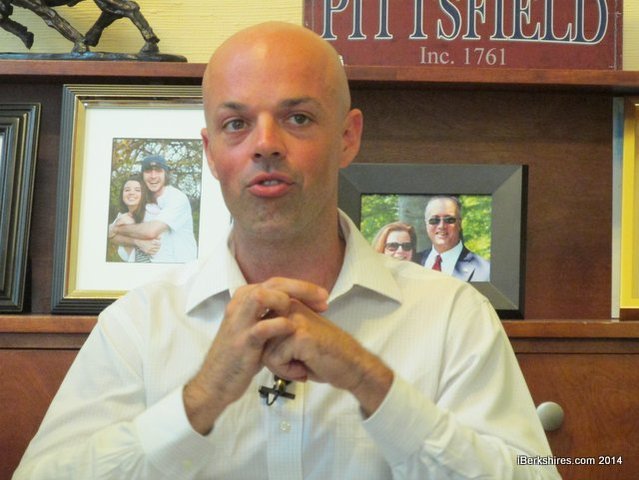
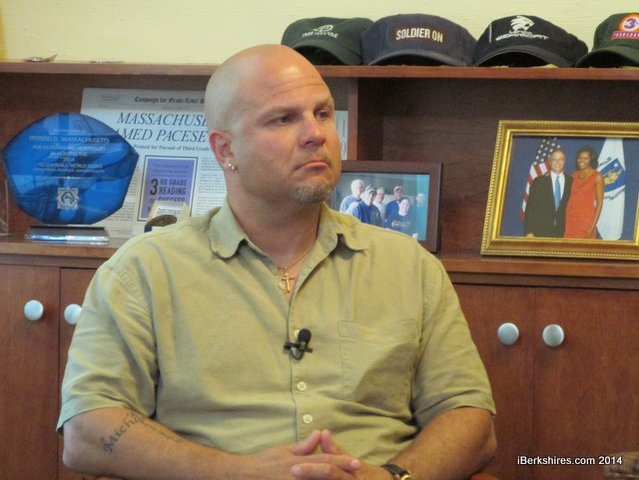
 Mike Williams spent some 15 years in jail and doesn't want anyone else to follow that path. Mike Williams spent some 15 years in jail and doesn't want anyone else to follow that path. |
"It is programs like that that gives us resources to reach out to kids and offer them alternatives. We just graduated 45 kids from a summer works program. These are kids in that this may have their first job experience and it gives them the confidence to know that they can do things on their own, they can make a difference, they can earn money by working hard," Bianchi said.
Meanwhile, Bianchi said the Shannon Grant doesn't allow funds to be used to hire additional police officers. But, he is looking for other grant programs that do.
The daytime shooting involving two juveniles showed the community just how dangerous and real the situation is in the city. And with that, a community meeting drew some 300 people to discuss what needs to be done to curb youth violence.
"It was really on us to come up with the next steps. There are now five different meetings that will take place over the next month and then another community meeting," Hinds said.
Hinds is working with various community groups to bring the resources together and get more people involved in reducing violence.
Tags: federal grants, gun violence, mentoring, teen violence, youth programs,