Pittsfield Seed Orchard Part of Widespread Chestnut Restoration
 |
PITTSFIELD, Mass. — The regional chapter of The American Chestnut Foundation works is working with public and private partners across the commonwealth to help redress one of America's most severe ecological catastrophes, a few trees at a time.
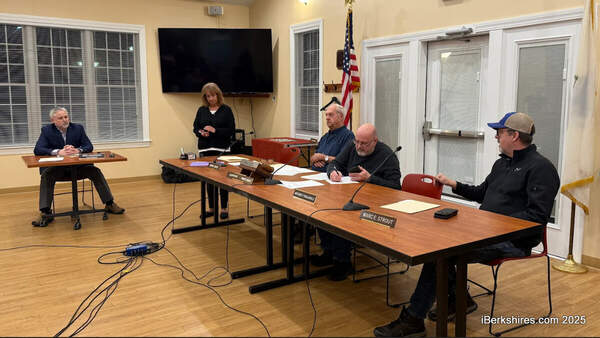
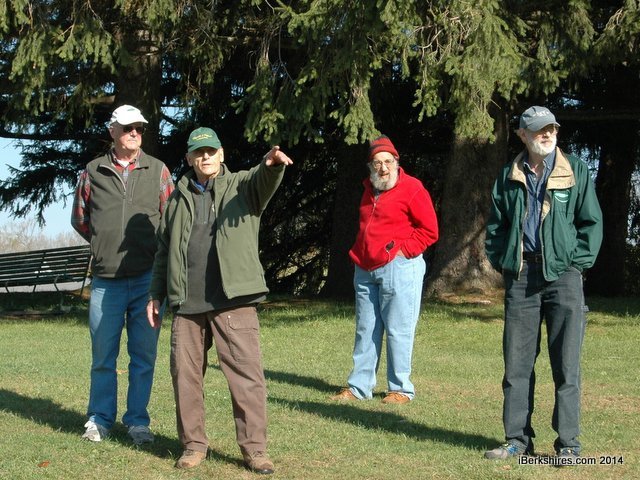
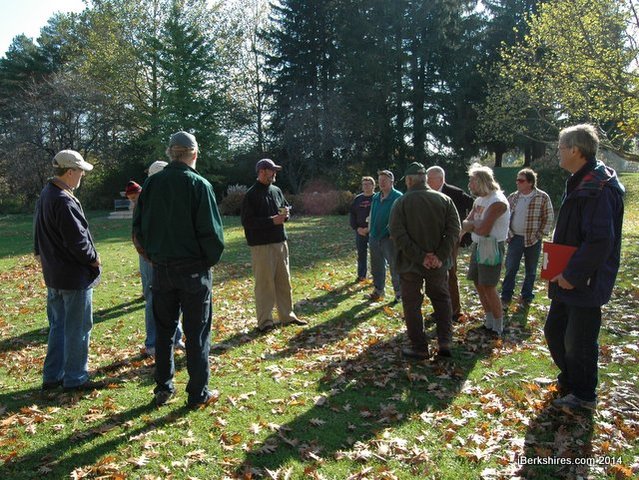
Members of the area TACF chapter, which includes Rhode Island along with Massachusetts, gathered in Pittsfield last weekend to hold their quarterly meeting and tour the site of one of their new seed orchards, planted this spring in collaboration with the city and local partners.
"I was pleased that the city could host this chapter of the foundation," James McGrath, Pittsfield's parks, open spaces and natural resources manager told iBerkshires. "It's been a thrill to show them the park and the seed orchard that we've established."
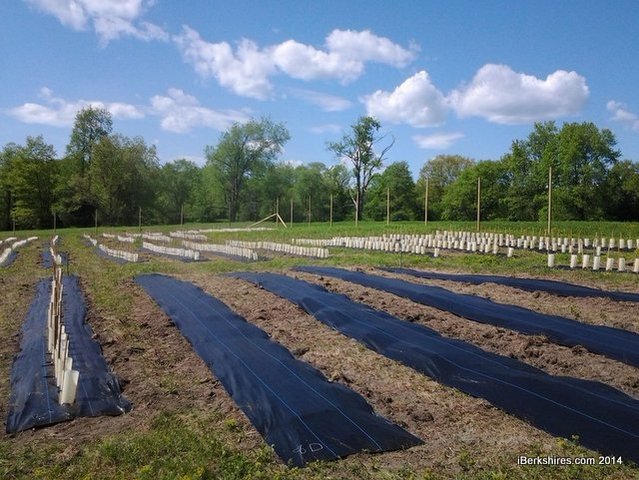
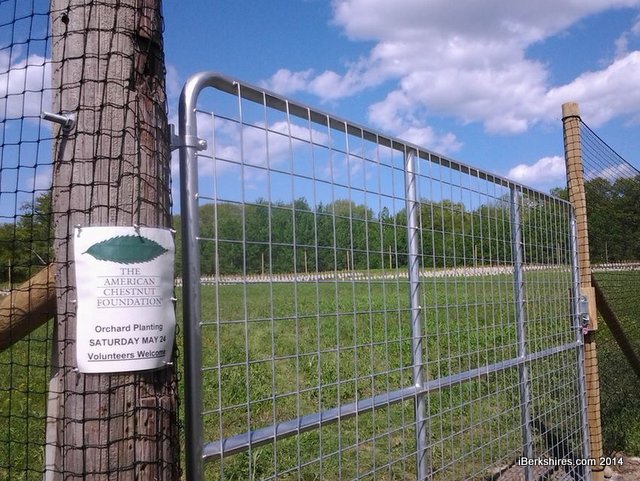
The new Springside orchard, located north of the upper playground overlooking the back of Reid Middle School, is one of five examples of seed orchards that the regional chapter has worked to establish within these two states. Hundreds of specially bred hybrid chestnuts were planted in May by a number of local park volunteers under the guidance of Robert Presutti, resident professional arborist and Springside station chief for the Retired Seniors Volunteer Program.
Of these, only a small percentage will eventually inhabit that field when the project has run its course. These will be the ones that do not succumb, once they are intentionally subjected to the blighting parasite that once might have withered the entire crop.
"In 10 years time, over three-quarters of the trees will be gone and it will be down to around 20 regularly spaced chestnut trees," said ACF member Denis Melican, state Department of Conservation & Recreation supervisor for Moore State Park in Paxton.
The seed orchards represent a culmination of many years of research, horticultural work and planning by the TACF over the past quarter century. By carefully backcrossing the disease-prone American species with the more pathogen resistant Chinese chestnut, they have worked to produce a regionally viable tree that is genetically 75 percent American chestnut, resembling and producing nuts but greatly reduced susceptibility to the Cryphonectria parasitica that caused its downfall.
Prior to the fungal blight that felled the hardwood giants during the early 20th century, an estimated 4 billion American Chestnut trees grew across the East Coast, about 1/4 of the total hardwood population. This loss of some 200 million acres wood and food producing forest was considered a devastating commercial and environmental disaster.
TACF produced its first potentially blight resistant chestnuts in 2005, and sees its mission as restoration of an important species, while creating a template for the future restoration of other plant species.
This they are accomplishing through collaboration with test sites and seed orchards like Pittsfield's sprinkled throughout the country, and representatives of the regional chapter were busily preparing to develop new sites as they met at the park's Springside House.
As part of the partnership, municipalities like Pittsfield and other landowners must enter into a legally binding "Germplasm Agreement" with the foundation, which retains ownership of the germplasm, and no part of the trees are to be altered, sold or transferred to a third party. In the event a site no longer wishes to participate, they must give the foundation 60 days notice so they may attempt to remove and relocate the trees.
And while the organization has never had to legally enforce the agreement, as the number of sites and the trees themselves grow, some members say there is an increased need to protect the precious germplasm which has been developed at such care and expense.
"Now there's more risk," said Greg Curtis.
Nonetheless, the intention in locating in public sites like Springside is to ultimately have these trees be enjoyed, both aesthetically and for their edible by products.
"We want these to be public," stressed chapter President Yvonne Fedorowicz. "The goal is to repopulate the forest."
"We look forward to a long and healthy relationship with the American Chestnut Foundation into the future," said McGrath.
Tags: orchard, Springside Park, trees,