Williams College Reminded of Real Martin Luther King
 Williams College history professor Leslie Brown addresses the crowd at the Paresky Center on Monday. Williams College history professor Leslie Brown addresses the crowd at the Paresky Center on Monday. |
"We like the climb to the mountaintop ... but we ignore the man who called the American justice system bankrupt," Williams history professor Leslie Brown told a crowd of hundreds who crammed into Baxter Hall in the Paresky Center student union.
"We've got to talk about the guy who really embraced militancy."
Brown told the crowd that the King of marble statues and national holidays is easy for society to accept, but there was nothing easy about the man, his life or the legacy of action that he left.
"The man who was killed was not the one we celebrate," Brown said. "We ignore the one who rubbed us the wrong way."
She reminded the crowd of mostly students born decades after King's death that in his life, he was considered the most dangerous man in America by members of the white power structure and that the same power structure continues to be a source of injustice well into the 21st century.
"The King I taught about sought out the poor and got them organized," Brown said.
"Let us be dissatisfied, but also let us generate some energy."
The student-led event touched on several themes. Brown was just one speaker who reminded the crowd of large-scale injustice, but there were also tales of personal pain rooted in prejudice.
The afternoon program began with a student-created film produced by the college's Center for Learning in Action. Interspersing clips from King's speeches with filmed reflections from students, professors and administrators at the college, filmmakers Jabari Copeland and Connor Harris created an entertaining, engaging and thought-provoking look at the Civil Rights Movement and the effects of prejudice in everyday life at the college.
Using the construct of asking students to fill in the blanks, "You judge me by ____, but I see myself as _____," the filmmakers captured heartfelt impressions of their fellow undergraduates.
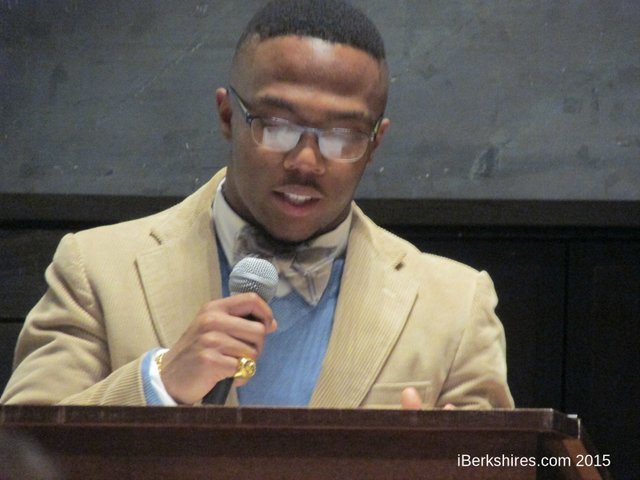
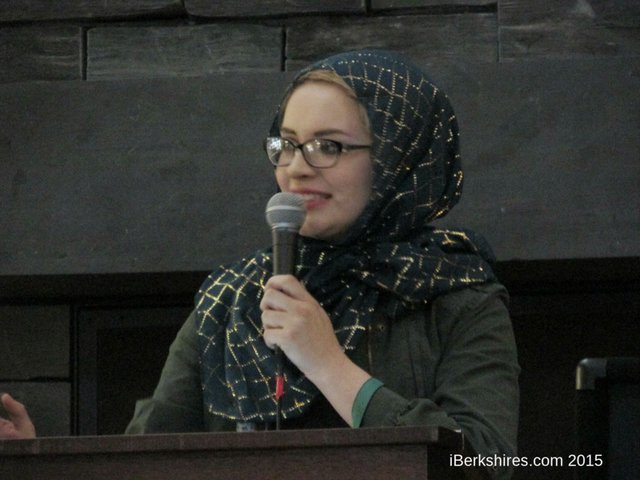
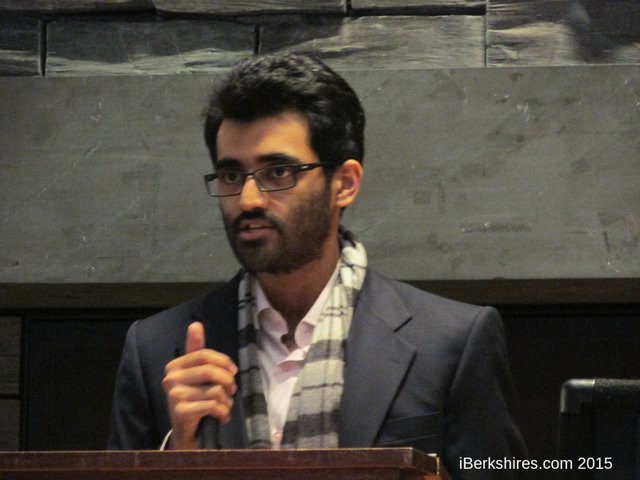
Other undergrads spoke at Monday's event, discussing how King's life impacts their own and how small-mindedness and prejudice still permeates society.
Terah Ehgiator, a freshman, talked about growing up outside Dallas, Texas, and hearing the "N" word shouted in his direction from a passing school bus when he, as a fourth- or fifth-grader, was too young to understand its impact.
Hamza Farrukh talked about how Muslims like himself are stereotyped and persecuted because of the actions of what he called "a radicalized, misled, misinformed few."
Hanson Koota talked about stereotypes at Williams that pigeonhole football players like himself — stereotypes that left him feeling alienated when he arrived on campus.
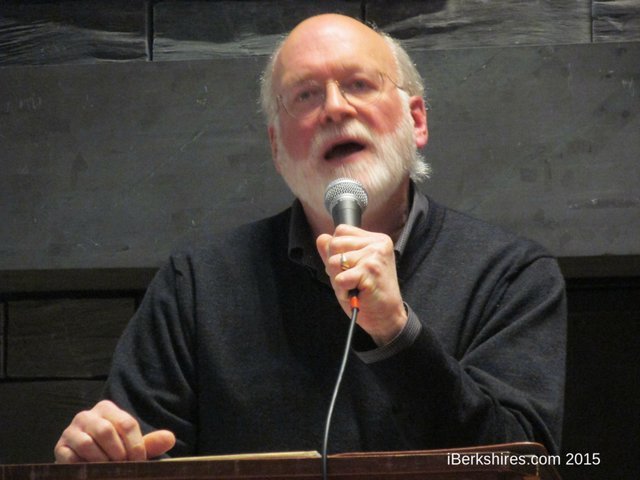
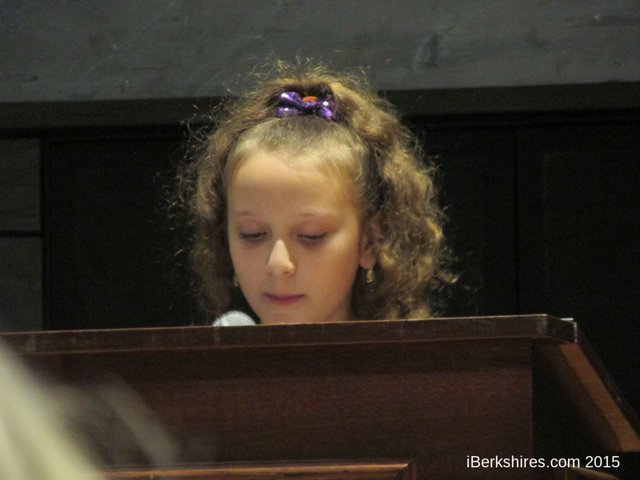
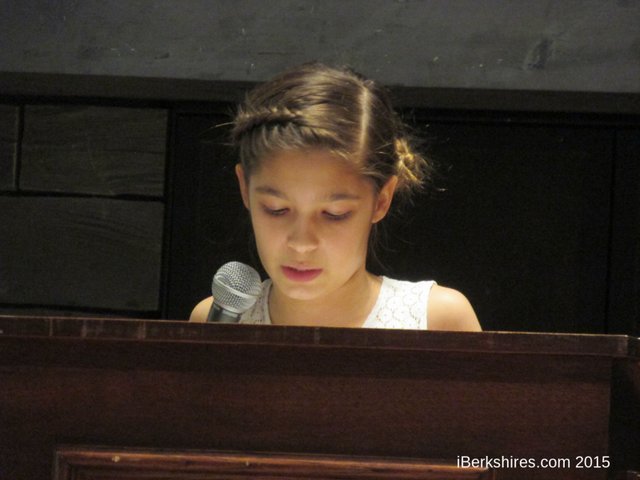
The event also included moments of pure joy, like the performance of the college's African dance troupe, Kusika, and moments of reflection, like the three-minute moment of silence incorporated into the remarks of college chaplain Rick Spalding. The college community also welcomed the wider community, by hearing student essays from Williamstown Elementary School pupils Mia La Frazia and Mia VanDeurzen, winners of a student writing competition judged by college students.
Through it all, there was a call to action.
Calling to mind the protests that erupted nationwide late last year after the events in Ferguson, Mo., and New York City, the event's master of ceremonies told the crowd that those demonstrations have a message for all — a message consistent with Dr. King's.
"Protests should not divide us but unite us," Michael Davis Jr. said. "It should not be about black lives or white lives or Asian lives or any other group. All lives matter."
Tags: MLK Day, Williams College,