MCLA Launches After-School STEM Program for Brayton
NORTH ADAMS, Mass. — Massachusetts College of Liberal Arts has recently launched an after-school initiative for Brayton Elementary's third-grade students to participate in STEM (science, technology, engineering and mathematics) activities.
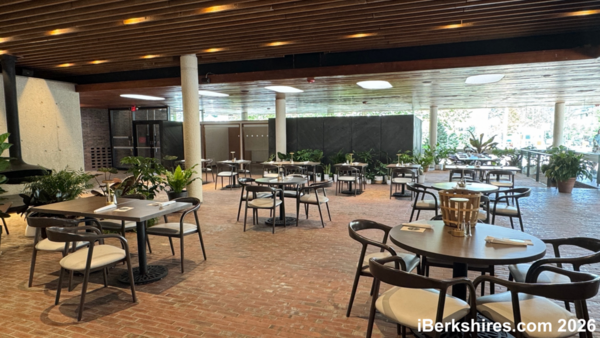
The program will take place in MCLA's Feigenbaum Center for Science and Innovation through the "Help Yourself" program.
The college was approached by the Help Yourself Foundation to host a hands-on, inquiry based program for youth at MCLA.
The Help Yourself foundation was founded in 2005 by the president emeritus of Union College in Schenectady, N.Y. Roger H. Hull. Hull developed after-school programs that allowed school-aged children to come into college campuses a few times a week to participate in STEM-focused activities in the Capital Region.
"The Help Yourself Foundation thought this would be a natural extension of the work that they've already done, and would provide a unique format and location here at MCLA," H. Jake Eberwein, dean of graduate and continuing education, said. "We're replicating in great part the model that's been used in the Capitol Region, but we'll be supporting students in North Adams."
Supported by MCLA staff, students and North Adams public educators, the first 20 third graders began their activities at MCLA.Two times a week the third-graders will travel to MCLA campus with a teacher or tutor for Help Yourself's program.
In addition to the time spent in the science center, the student will also get a chance to become acquainted with MCLA's campus.
"We're building academic skills, but we're also really elevating aspirations," Eberwein explained. "These students might not have college in their sights.
"The idea is, you bring them on campus and provide academic enrichment activities. As we do that, we're providing them with exposure to the campus," he continued. "We will do some role modeling and campus tours, and through being on the campus they can begin to imagine that this is a place they can one day attend college."
Ideally, students in this first year will continue the program through eighth grade and a new group of third graders will be added on every year behind them. Eberwein is optimistic about the program's success and its potential for growth.
Tags: after school programs, Brayton School, MCLA,