Berkshire Task Force Plans For Aging Demographics
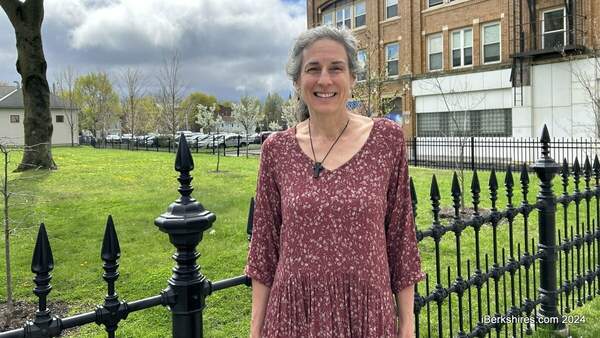
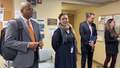
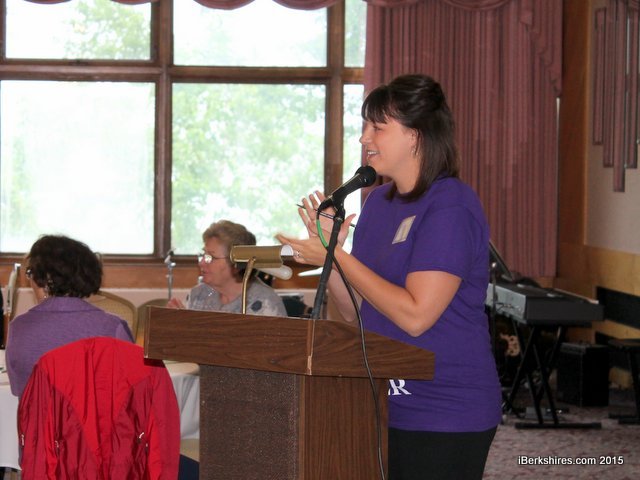
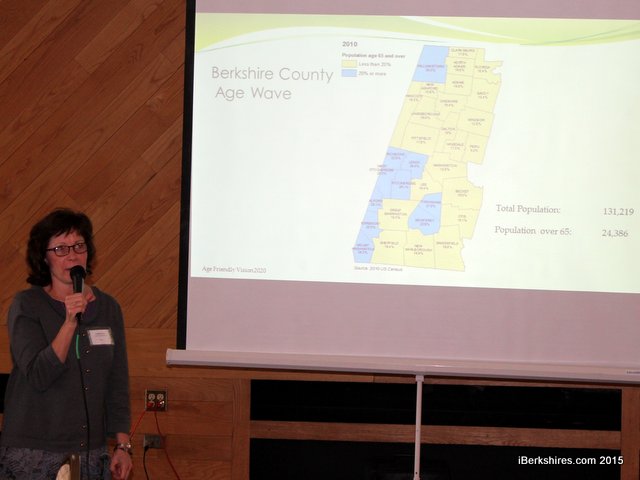 Roberta Orsi outlined the changes in populations as predicted for the next 15 years. The task force is hoping the county can become more 'age-friendly.' Roberta Orsi outlined the changes in populations as predicted for the next 15 years. The task force is hoping the county can become more 'age-friendly.' |
The "baby boomer" generation took jobs at General Electric, Sprague Electric, and the many mills throughout the Berkshires. Economic and social service policies were built around the population assessments at the time.
Now, the country as a whole is having fewer babies and people are living longer. There are already more people older than 65 than under the age of 18.
As the older population continues to grow, a large group of local agencies is pushing for decisions to be made about the economy, infrastructure, housing, etc., on the expected population numbers.
"This is a permanent shift in our population and if we're not making decisions based on this, we will be woefully unprepared," Roberta Orsi, director of community relations at Home Instead Senior Care and the chairman of the Board of Health, said at Itam Lodge on Monday.
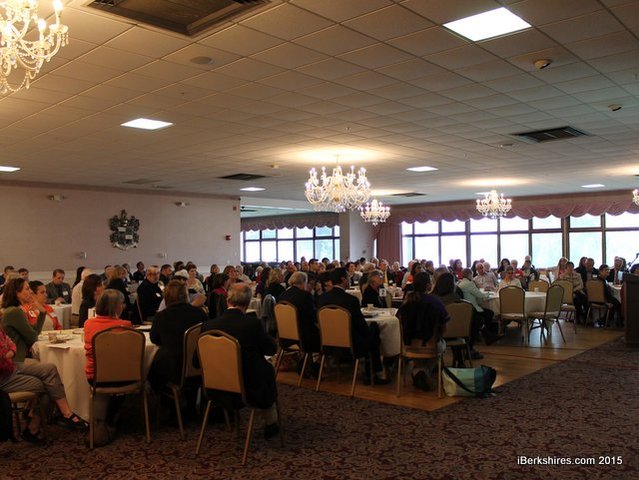
Orsi was speaking at the first summit of the two dozen local agencies that have formed an Age Friendly Vision 2020 Task Force.
"The goal of the summit is to raise awareness of what an age-friendly community is," Orsi said. "It changes the conversations."
The agencies have surveyed the population age 50 and older to find out what their priorities are in the community and will be crafting an action plan. The idea is to make sure when projects or policies are developed, future demographics are kept in mind.
"We're changing and we're changing very fast ... Our population is declining and our population is aging," summit attendee state Rep. William "Smitty" Pignatelli, D-Lenox, said. "By 2020, Berkshire County's population over the age of 60 will be more than 60 percent of the population."
According to Orsi, there were 24,386 people older than 65 in the Berkshires out of a total population of 131,219 in the 2010 U.S. Census. In 2020, that grows to 31,003 while the population dips to 130,002 in total. By 2030, senior citizens will number 37,662, a third of the estimated 130,320 Berkshire residents.
The Berkshires are already older than the rest of the state with an average age of 44 compared to the state's average of 39. In 2010, Berkshire County crossed the threshold when more people were over the age of 65 than under the age of 18. Nationally, that cross is expected in 2030.
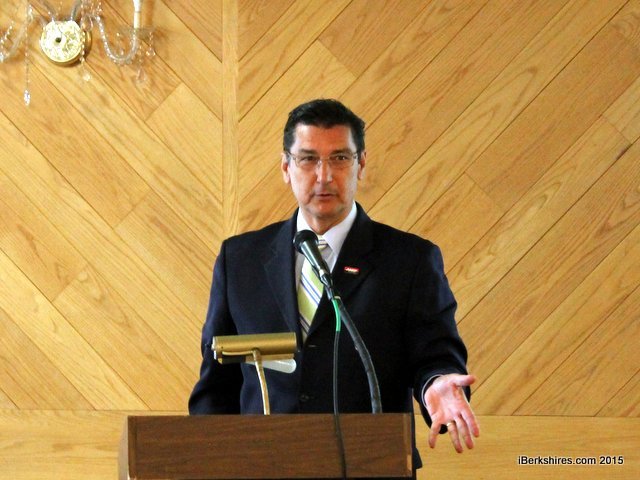
"I don't see this as a problem," said Michael Festa, state director for AARP Inc. "We are, as a society, coming at this from a position of strength."
While the older generation is considered to be more costly when it comes to health care and social services, Festa says that isn't the case at all. One-third of the state population is older than 50 and accounts for half of the state's gross domestic product, he said.
"We're the ones spending money at the restaurants," Festa said.
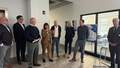
 State Rep. William 'Smitty' Pignatelli speaks about the demographic changes in the Berkshires. State Rep. William 'Smitty' Pignatelli speaks about the demographic changes in the Berkshires. |
To make decisions based on the changing demographics, the first step is to find out the priorities of that aging generation. A recent survey is being analyzed that highlights a lot of areas in which Berkshire County could improve to help serve older residents.
For example, 89 percent of the 2,500 people surveyed felt sidewalks needed to be well maintained with 84 percent saying they exercise once a week, mostly by walking.
"They want to be able to walk to stores and parks," said Laura Kitross, who gave the agencies a taste of what the findings were.
She said 10 percent of the respondents expected to live in a condominium or cooperative as they get older, and the county doesn't have enough of those housing options to support it. Eighty percent felt it was important to live independently in their homes. Nearly all of the respondents placed health care and access to health care at the top of their priority list.
"Twenty-one percent of the respondents had trouble getting an appointment," Kitross said of access to health care.
Berkshire residents are also working until later in life, some into their 80s. Access to cultural activities, outdoor recreation ranked high in priorities. The need for affordable housing, preferably located in walking distance to stores and health care facilities and municipal buildings, also rose to the top. Kitross said the analysis of the 59-question survey will be ongoing through the summer. The survey had participation from all communities and spanned numerous topics, she said.
But is isn't just about building the community around the older generation but also keeping people healthy longer. The group is focused on providing programs for better nutrition, safety, and exercise for all age groups.
Be Well Berkshires and Mass In Motion are both doing their part toward healthy lifestyles. They've worked on so-called "complete streets projects" to ensure biking and walking safety, safe routes to schools, and created walking loops, helped launch farmer's markets and partnered with some to double the benefits for Supplemental Nutrition Assistance Program benefits. The goal is instilling lessons of lifelong health and well-being.
"Aging doesn't start at 60, 65. Aging doesn't start at 55. Aging starts at birth. This is about growing and aging healthy," said Erica Girgenti, director of the Adams Council on Aging.
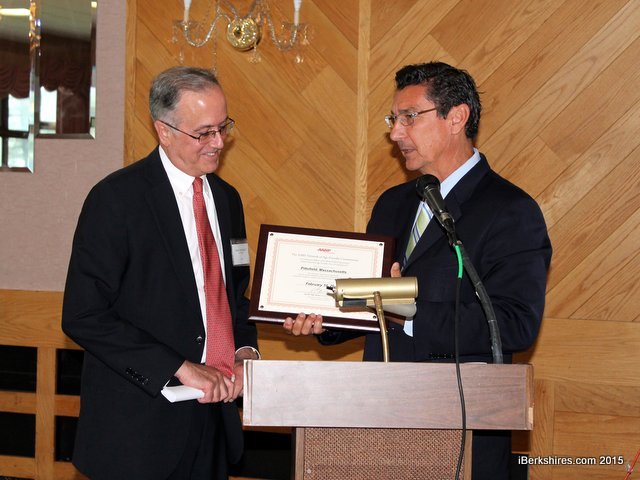
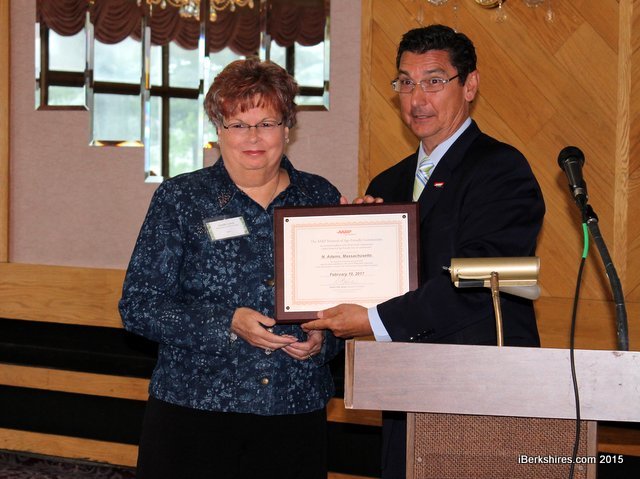
In both Pittsfield and North Adams, officials have agreed to make a dedicated effort. On Monday, Festa presented Mayor Daniel Bianchi and North Adams Council on Aging Director Sandy Lamb with plaques for their dedication.
The age-friendly community program is headed nationally by the AARP and the World Health Organization. The organizations provide information and best practices for the local task forces to craft plans for their communities.
"This is a long process. The results don't have to take long but the process is important," Festa said about planning and community outreach efforts.
Tags: age-friendly, aging, demographics, senior citizens,