Brewing Boomed In Pre-Prohibition Pittsfield
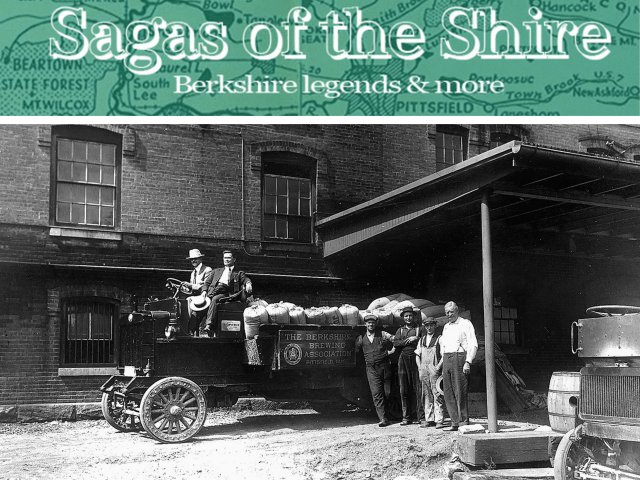 The Berkshire Brewing Association of Pittsfield was producing up to 100,000 barrels annually and employed some 150 before being done in by Prohibition. The Berkshire Brewing Association of Pittsfield was producing up to 100,000 barrels annually and employed some 150 before being done in by Prohibition. |
PITTSFIELD, Mass. — One can only wonder what John White and Jacob Gimlich would have thought as federal officers poured 15,000 gallons of locally crafted beer into the sewer on an early May morning in 1922.
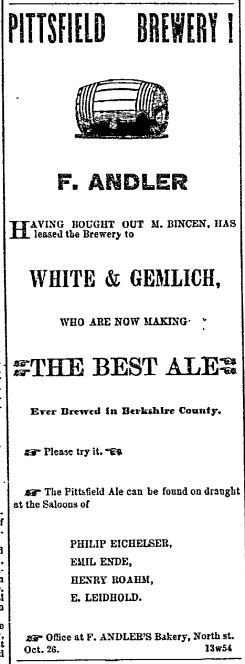
Gimlich and his brother-in-law White had first purchased a small brewery on Columbus Street in 1868 from Michael Benson. First called simply "Jacob Gimlich & John White," the business began at an output of just six barrels a day, but would grow to be a major manufacturer in the West Side Pittsfield neighborhood.
Both men had immigrated to the country from Germany in their youth, and both served tours in the Civil War. Gimlich worked briefly for the Taconic Woolen Mills before going into the beer business with his sister Rachel's husband.
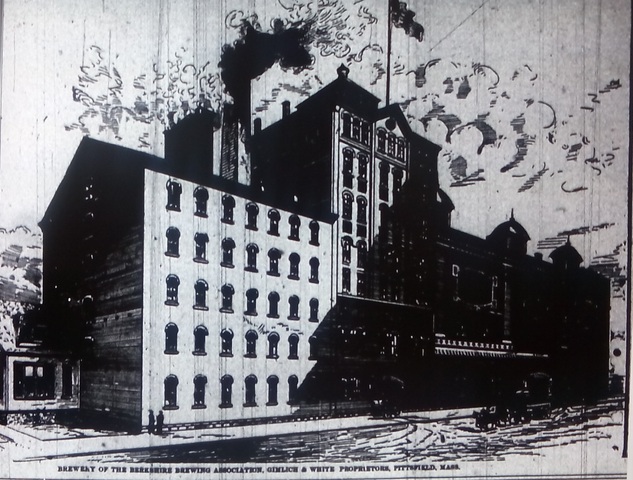
By 1880, operating as Gimlich, White & Co., the brewers erected a much larger facility in a five-story brick building measuring 40 by 80 feet. The expanded plant employed from 15 to 20 men and was shipping about 16,000 barrels a year.
Gimlich and White built houses directly across the road from their plant on John Street, and as their fortunes grew became increasingly prominent members of the community. Gimlich in particular became enmeshed in a variety of financial and civic affairs. From 1884-1885, he served as the city's representative in the Legislature, and was one of the organizers and directors of City Savings Bank. Gimlich likewise served on the board of the Berkshire Loan and Trust Co. and of the Co-Operative Bank, was a past chancellor of the local lodge, Knights of Pythias, and member of the Grand Lodge of Massachusetts and of the local Sons of Veterans.
"Pittsfield has been pleased with the success of Gimlich & White and they are counted among the town's leading, liberal, and most public spirited citizens," states one Pittsfield Sun editorial of the time.
By the early 1890s the torch was being passed to the next generation, with sons David Gimlich along with Fred and George White taking on more leadership of the company when it reincorporated as Berkshire Brewing Association in 1892. An additional four-story building was added, with the brewing complex now taking up the full block along Columbus Avenue between Onota and John Street to Gilbert Avenue.
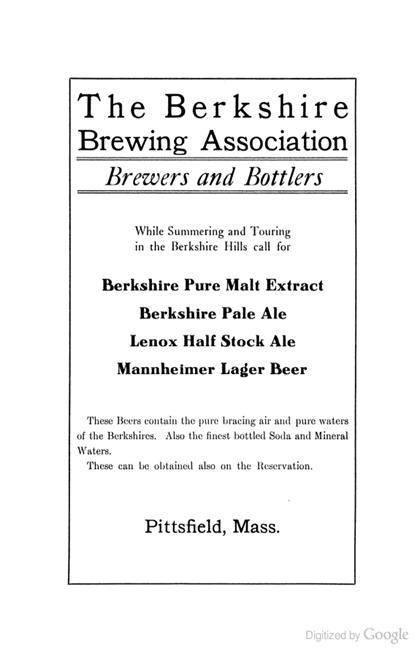
Among Berkshire Brewing's most popular products were Mannheimer Lager Beer, Berkshire Pure Malt Extract, Lenox Half Stock Ale, and Berkshire Pale Ale, considered to be one of the finest India pale ales then on the market. The plant also churned out bottled mineral waters, ginger ale and other soft drinks.
 |
 |
The elder Gimlich and White passed away in 1912 and 1916, respectively, but the enterprise they founded continued to see steady growth. The only brewery of the kind within 50 miles of Pittsfield, Berkshire Brewing Association had something of a monopoly in the region, along with a thriving distribution throughout the east coast as far south as the Carolinas. At its peak, it employed 150 workers and put out 75,000 to 100,000 barrels worth of beer annually. Records indicate between 1910 and 1920, Berkshire Brewing Association paid $1 million in federal taxes, in addition to state and local taxes and fees, including $1,200 a year for a brewer's license and $800 for an annual bottling license.
The company was not without its occasional hiccups, such as a lengthy strike in the fall of 1911 by the Pittsfield Brewers Union, culminating in the reinstatement of a dismissed employee.
Real crisis came at the end of the decade, as increasing restrictions on alcohol grew into total national prohibition. They first ceased brewing beer temporarily in December 1918, after a directive from the National Food Administration following the passage of the the Wartime Prohibition Act. Even after the passage of the Volstead Act the following fall, BBA voted to remain in business, focusing on bottled soft drinks while hoping the ban to be a brief legislative phase.
They also continued to brew beer, as did several major brewers throughout the country at first, seeing the government's lack of resources tasked to enforce the rule. Finally in spring 1922, federal officers arrived to turn off the taps, disposing of 15,000 gallons worth and estimated $15,000 to $20,000 at the time.
Ironically, the company waited it out until nearly the end of the failed domestic policy, the board of directors voting to close down in January 1929.
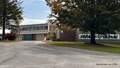
The brewery building was dismantled soon after; for a time, the Siegel Furniture Co. operated out of the former bottling building, which later became the Warehouse Furniture Co. In 1975, this, too, was cleared as the land passed to the Pittsfield Housing Authority, which developed the Christopher Arms housing project that occupies the former site of the brewery today.
Bottles, openers, and other memorabilia bearing the Berkshire Brewing Association or Gimlich & White labels are considered somewhat valuable among collectors of breweriana, though they are common enough that they do not command high prices compared to more rare items from smaller breweries. Prices of some bottles and other ephemera currently listed online range from $10 to a $100.
This column is born out of an attempt to break new ground, or at least break out of a certain habitual mold of local history storytelling. While the Berkshires have enjoyed many great historians and much outstanding historical writing, it is my belief that there is a great deal that may have fallen by the wayside in its attempt to hammer out a unified narrative in its vision (and marketing) of itself.
Tags: brewery, local history, sagas of the shire,