North Adams Mayoral Candidates Debate Health Care, Hospital Closing
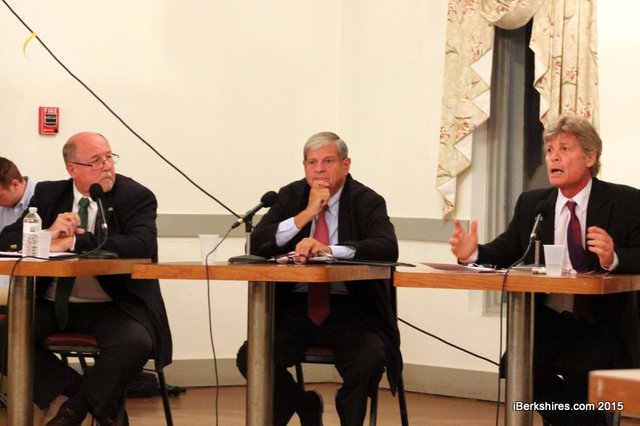
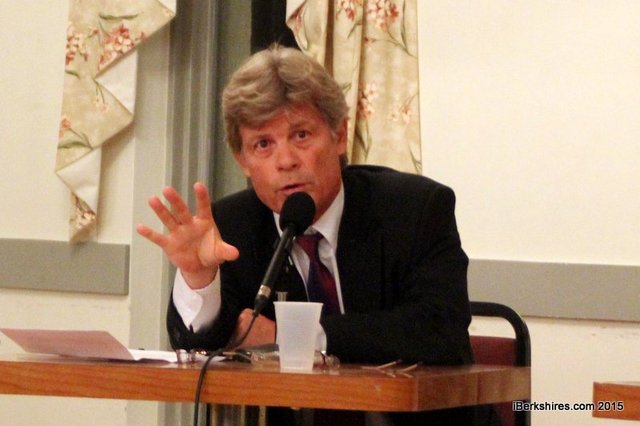
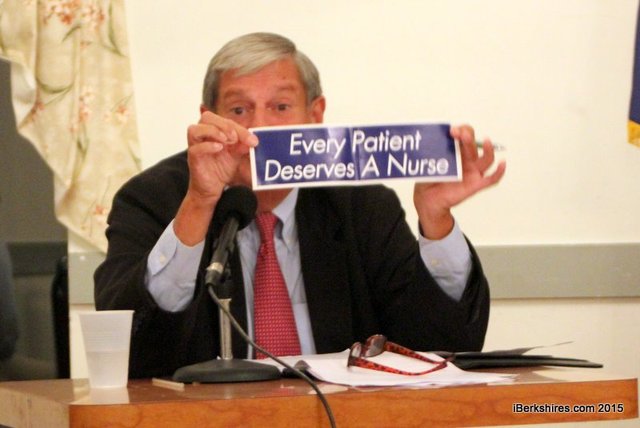
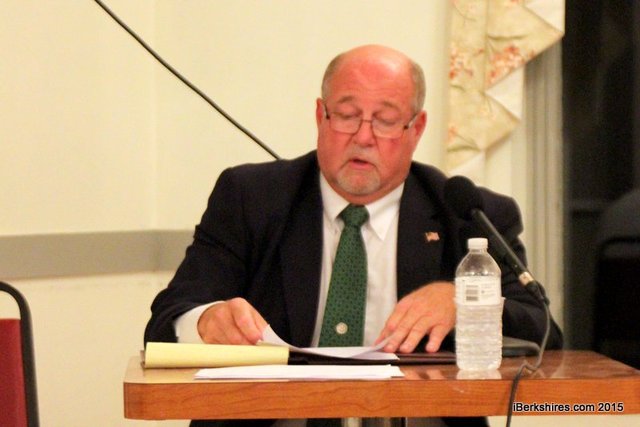
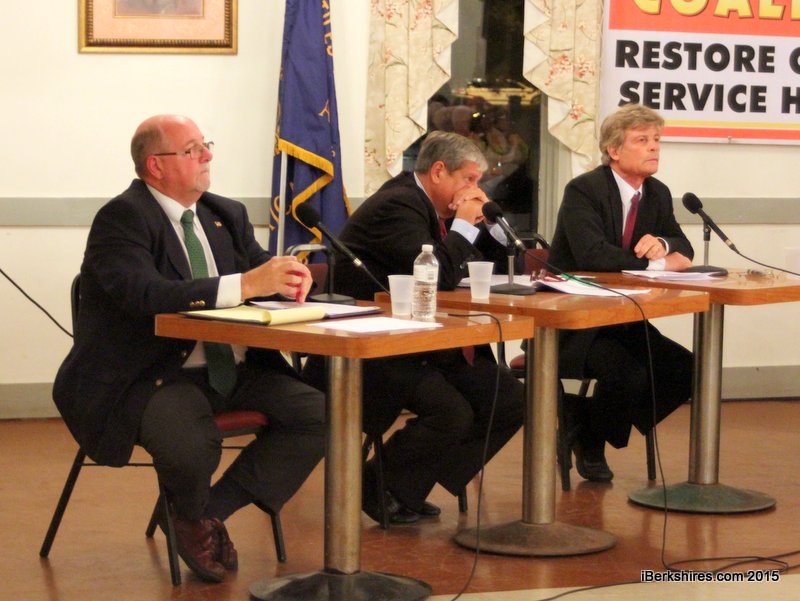 Mayoral candidates Richard Alcombright, left, John Barrett III and Eric Rudd sparred over the closure of North Adam Regional Hospital and its aftermath. Mayoral candidates Richard Alcombright, left, John Barrett III and Eric Rudd sparred over the closure of North Adam Regional Hospital and its aftermath. |
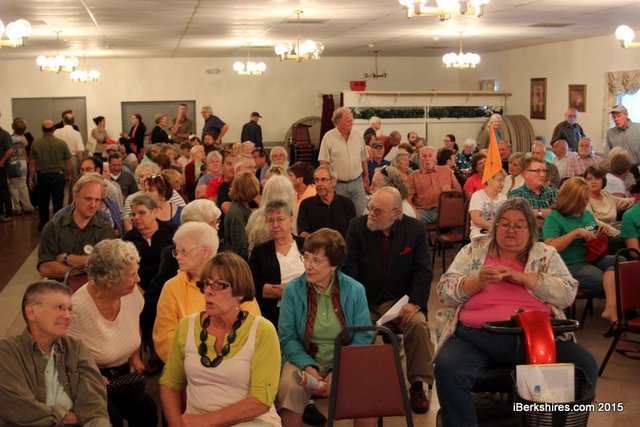
NORTH ADAMS, Mass. — In their only debate prior to next week's preliminary, the three candidates for mayor spent more than an hour on Tuesday night answering health care-related questions and trying to slip in elements of their campaign platforms.
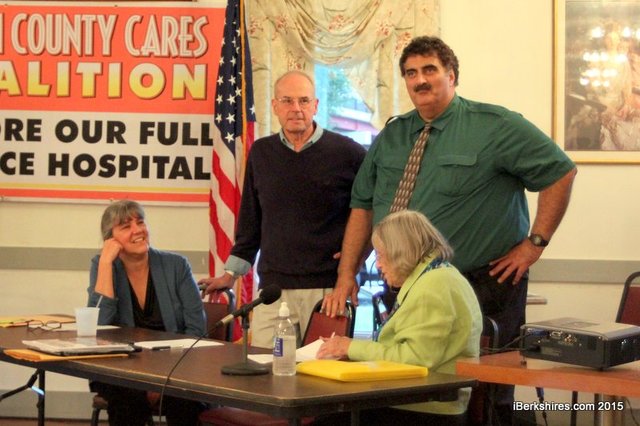
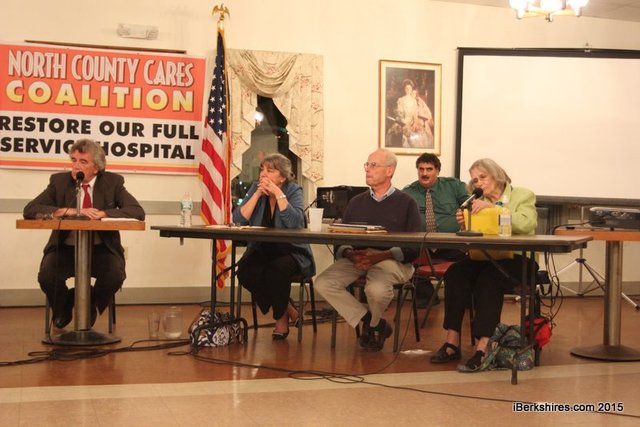
The forum was sponsored by the North County Cares Coalition, the Tuesday night advocacy group launched with the abrupt closure of North Adams Regional Hospital in 2014.
And that was the main question, albeit in various forms, aimed at all three men: Do you support a full-service hospital? Their answers, not surprisingly, were essentially, "yes."
Their differences lay in how they would have, have had or will approach the issue. Incumbent Richard Alcombright pointed to the return of a broad range of services at the former hospital and repeated his assertions that any future additions must be "sustainable."
Challengers John Barrett III and Eric Rudd criticized his handling of the crisis over the past year and called for more advocacy.
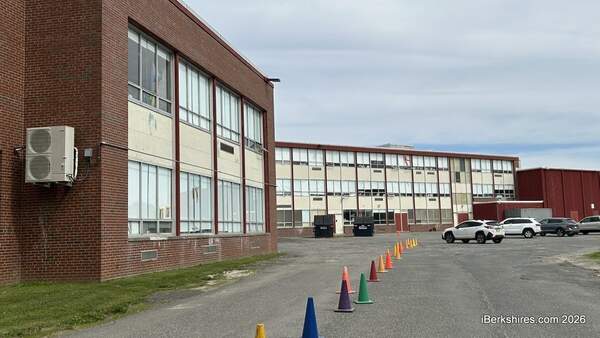
The hospital campus is privately owned and operated by Berkshire Medical Center, which purchased it through bankruptcy court last August.
The moderator was Edward Driscoll, Adams town moderator and former selectman, who thanked the candidates for coming and cautioned the audience to dispense with boos or clapping for favorites.
"We'd like to have an elevated discussion of the issues," he said.
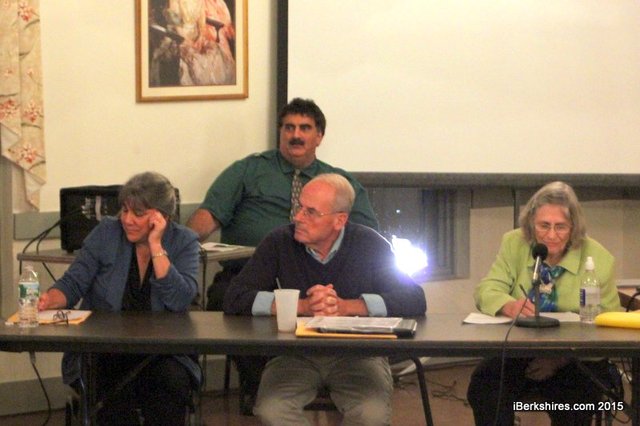
Six questions, all related to health care and/or the former hospital, were presented by Jean Bacon, Michael O'Brien and Debra Lipa, all members of the coalition.
The questions ranged from whether the regions needs a "real" hospital, to comparisons of Baystate Medical's investment in its community hospitals, to best advocacy practices, to the region's economic health and opinions on a report by the Massachusetts Nurses Association that says the BMC campus can support 20 to 30 beds. All focused on reopening the hospital and large lawn signs advocating that were available.
Several questions asserted unsubstantiated facts that Alcombright described as "alarmist" and "laced with innuendo."
"It's not [about] what I think but more so what is best based upon sustainable solutions for health care here in Northern Berkshire," he said. "Is it a 'real' hospital or a real solution to this area?"
He repeatedly turned to the efforts made over the past year to bring almost all of the outpatient services, including the anticipated return of wound care and a renal dialysis center to open next year.
"Every service we've been talking about we have except for beds ... I think we have more than what we had before," he said, calling the current setup a "national model."
Barrett harkened back to his efforts to delay Sprague Electric Co. from completely leaving 30 years and fundraising efforts toward an oncology unit in memory of his late wife, Eileen, who also was an operating room nurse. He said he would do the same thing to restore in-patient services.
"I would like to see that happen," he said of restoring hospital rooms and possibly an assisted-living center. "I would offer that strong voice."
|
Barrett, former mayor of the city for 26 years, claimed there "was no way the hospital would have closed as it did" if he had still been in charge.
"My style would have been different," he said. "The way that it happened was unacceptable."
He said he would have had the state's U.S. senators involved immediately and would be talking to Berkshire Health Systems President David Phelps on what could be done.
"I don't have any problem with them being the operator," Barrett said. "If they would just say that this is what we're going to do ... if that happens I think it's a win-win for everybody."
Alcombright said he has been meeting with Phelps once a month.
Rudd was the most outspoken, saying the answer was, "yes, we want a hospital with full beds and a maternity ward. It's not a hard question."
"I wouldn't be sitting here if we had a mayor who said it's not acceptable what we have, we're going to fight and we're going to get it back. Period," said the artist and developer, accusing Alcombright of not being forward enough.
"I have not heard one aggressive statement from the mayor that we need a full-service hospital," he said. "I don't want our mayor to be a spokesperson for BHS, I want our mayor to be a spokesperson for this community."
If elected, Rudd said he would serve a property tax bill of $500,000 on BMC's North Adams Campus, saying most of it was no longer a nonprofit charitable operation. That, he believed, would prompt BMC to pursue federal Critical Access Hospital designation.
Barrett also called for Critical Access, saying it would bring back critically needed mental health services.
"I am not critical of BMC at all by any stretch of the imagination. What I have been trying to say from the beginning of this conversation is I want to have a conversation and sit down [and say], "David, we've got to bring this back. The community wants that."
Barrett accused Alcombright of fumbling the closure; Rudd said the city should have put conditions on the purchase in bankruptcy court.
Alcombright responded that his challengers were being "armchair quarterbacks" and that there was no mayoral "playbook" for a hospital closure.
"I lot of times I'm accused of being soft. I don't want people to confuse 'soft' with being quiet. I think I was a very loud voice," he said, adding "do not think for one moment that your local and state leaders were not in the forefront."
Still, the community should be looking forward to what's been restored and what can happen in the future, he said.
"I'm not minimizing the fact that if we were to get a full-service hospital, that's fine," Alcombright said. "What I'm trying to say all night long is what has come back is robust, it's new and it serves virtually everyone at some level, it bring services to the city like it never has had before."
Rudd, however, said the community should continue to demand beds.
"I don't want a campus, I want a hospital," he said. "We're getting the crumbs and we're getting used to the crumbs."
The preliminary election to narrow the mayoral field to two candidates will be held Tuesday, Sept. 22; polls will be open from 9 a.m. to 7 p.m. Absentee ballots are available in the city clerk's office until noon on Monday, Sept. 21.
Tags: candidate forum, election 2015, health care, NARH, NorthAdamsElection, preliminary election,