Licensing Board Rules in Favor of Pearlman's Scrap Vehicle Operation
PITTSFIELD, Mass. — The Licensing Board says Pearlman's Recycling doesn't need any additional licenses to buy scrap vehicles, transfer the title to another company, and then resell the parts.
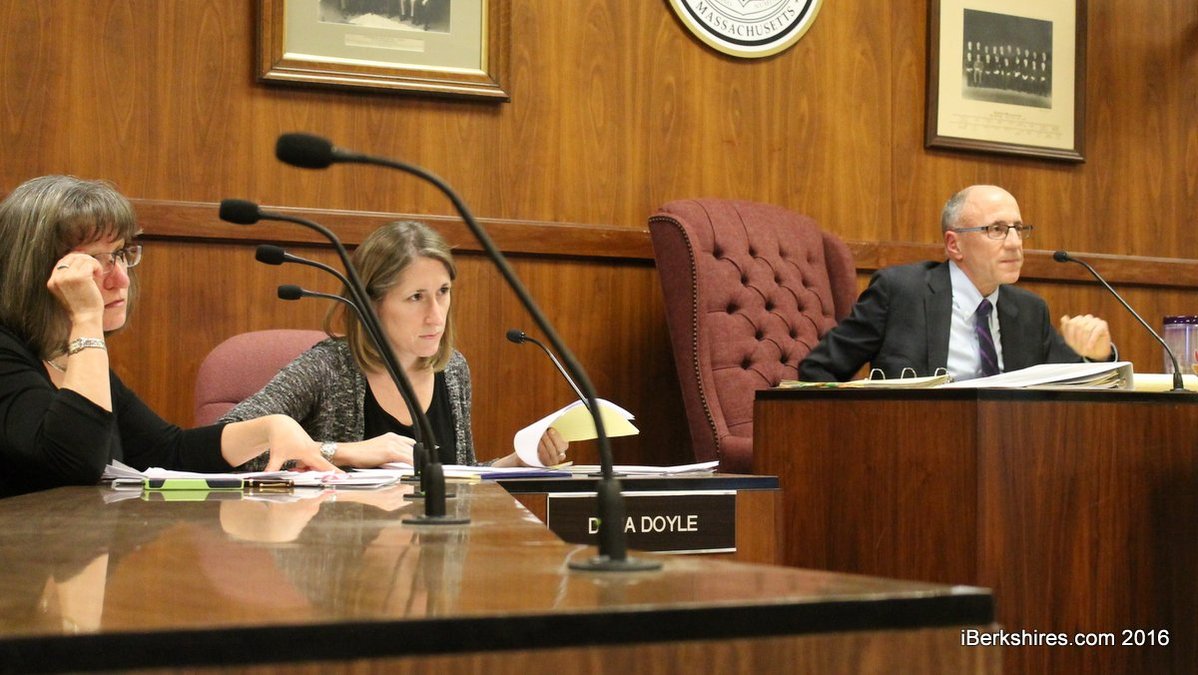
The board decided Monday that the company is in full compliance with state laws regarding automobile graveyards and entered that finding in a complaint brought before the board.
The city's Fire Inspector Randy Stein brought the complaint saying the company was selling used vehicles and parts without the proper license. However, since that is not the company's primary focus, the board found the operation in compliance with its current junk dealer license.
"I would move that we approve the operation by Pearlman's of an automobile graveyard activity, which appears to satisfy the [state] statute under its Chapter 54 license," board member Thomas Campoli said after lengthy legal banter between the attorneys representing the city and Pearlman's.
Pearlman's runs a scrapyard but also buys junk motor vehicles. The company then transfers the plates to a separate entity, Eastern Vehicle Recycling out of Westfield, with the same owner. In Westfield, the company parts out the vehicles and resells them.
Local junkyard owners, however, say that isn't fair because Pearlman's doesn't have the used auto sales license they are required to have to sell parts locally.
"They are bypassing everything," said Mervin Haas, owner of County Auto Wrecking.
Haas' principal business is to buy used vehicles and then resell the parts, a business he's operated for the last 27 years. To do so, he has a Class 2 auto dealers license, allowing him to sell used autos and handle the titles, as well as a Class 3 junk license to buy and sell vehicles for salvage. He also has a license to store flammable materials on his lots.
"He's got to have them licenses," Haas said. "The registry has rules you have to follow also."
Pearlman's only has a junk dealers license and the law says that a used-parts dealer only needs the licenses to sell automobiles and parts if it is the primary business, which it is not for Pearlman's. The Licensing Board determined that the company doesn't need another license and that the operations are in line with the permit issued.
"Cars are ancillary. It is a small part of the business," attorney Christopher Hennessey, who represented Pearlman's, said. "We have a valid license. There is no such thing as a graveyard license."
Hennessey said even if the company did require the non-existent vehicle graveyard license, it complies with the provision defined for such a company in the state law. If the company has a license to be a junk dealer, then it is authorized to sell vehicles if the company satisfies those provisions, which it does.
"It is clear that a Class 3 license is not required," he said. "He's not selling parts. He is not selling parts that go out on the road."
Stein said the issues really center on the titles. He said he's asked the state police to look into what is happening with those titles when they are sent to Springfield. The board said the company is required to keep detailed records of the vehicles and the titles, which Hennessey says is being done both at Pearlman's and at the sister company, which does have the license to resell the parts.
"My clients are able to sell their vehicles to an entity with a Class 3 license to do what they want," Hennessey said.
The board ultimately found in Pearlman's favor.
In other business, the board was asked to call a special meeting by Police Lt. Michael Grady. The officer told the board that he wants the meeting to address another incident regarding Lach's Lounge. It was just recently in front of the board regarding a shooting following an altercation in the bar.
On Saturday, a man was found shot dead in the parking lot next to the bar, but it is not clear if that is what Grady wants the special meeting to address. That incident is still under investigation.
Tags: debris/junk, license board, scrapyard, used cars,