North Adams Model Railroad Museum Heads for Phase 2
NORTH ADAMS, Mass. — A proposed model railroad museum is moving into Phase 2 of planning with the approval of the Redevelopment Authority.
The estimated $8.5 million museum is the brainchild of museum visionary Thomas Krens and would entail some 31,000 square feet of space on the north side of Western Gateway Heritage State Park, which is overseen by the authority.
The concept was unveiled late last year with the support of local officials and former Govs. William Weld and Michael Dukakis.
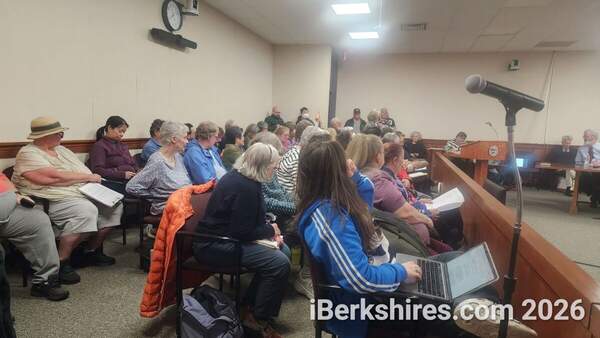
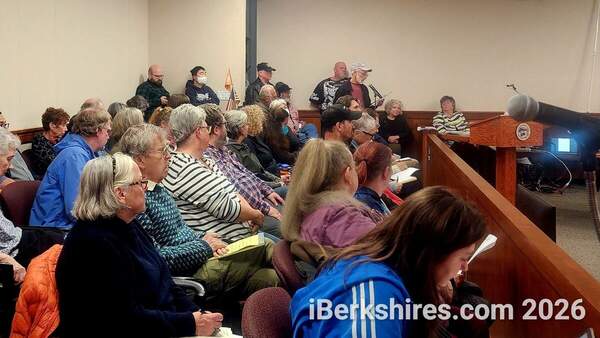
Wednesday's meeting in the park's Building One, currently being used by Krens' Global Cultural Asset Management LLC, was an update on the project's Phase One, which included a 400-page concept development study in collaboration with the nonprofit Partnership for North Adams. (GCAM is also proposing a for-profit museum at Harriman & West Airport.)
The study contains a preliminary report by Williams College economics professor Stephen Sheppard, head of the Center for Creative Community Development, puts the economic impact on the region at $12 million and potential tax revenue at $1.2 million during its two-year construction.
Based on 150,000 visitors annually, the impact would stay about $12 million; at 250,000 visitors, which the principals strong believe is possible, the total impact could be $23 million a year with another $4 million in local, state and federal tax revenues.
Krens, former director of the Guggenheim and a founder of Massachusetts Museum of Contemporary Art, had launched several successful exhibits at the Guggenheim by putting "pop culture in a high-culture context," perhaps most famously with "The Art of the Motorcycle."
He sees the same possibilities with the Extreme Model Railroad and Contemporary Architecture Museum, with the high-tech and detailed installation playing off its near neighbors, Mass MoCA and the Clark Art Institute.
The museum is inspired by Krens late interest in the intricacies of high-end model railroads, sparked by train sets he bought for his older son that had languished in boxes in his basement until a few years ago.
"It's really the technology that attracted me to this," Krens told the authority.
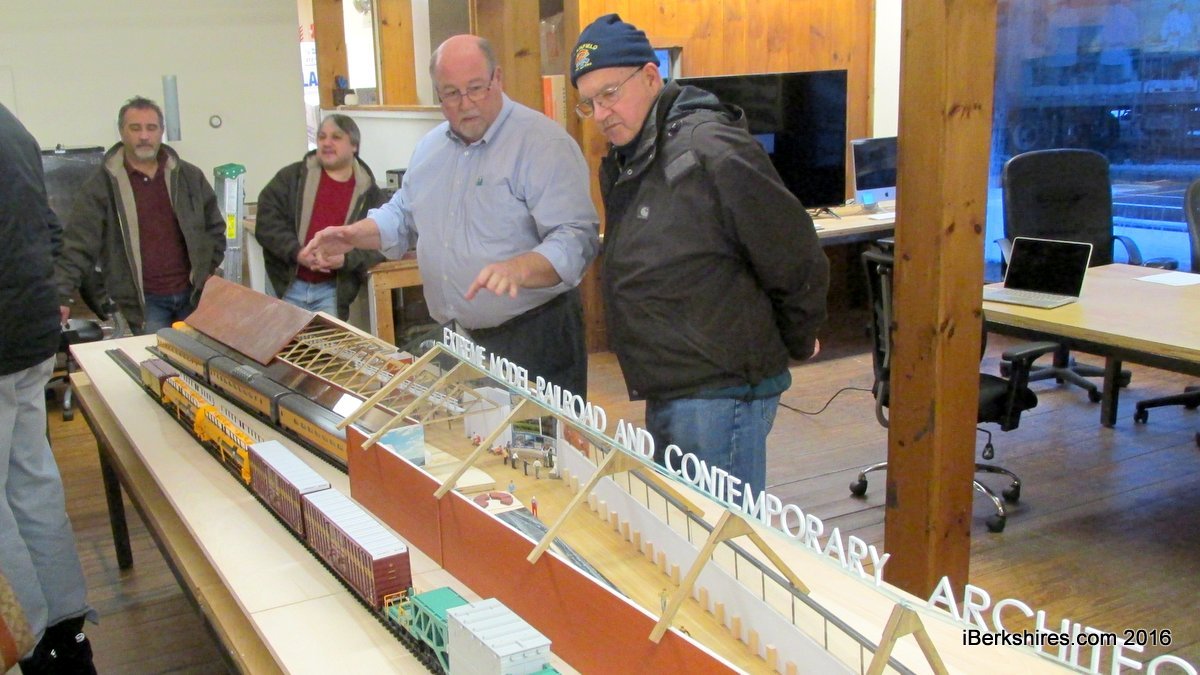
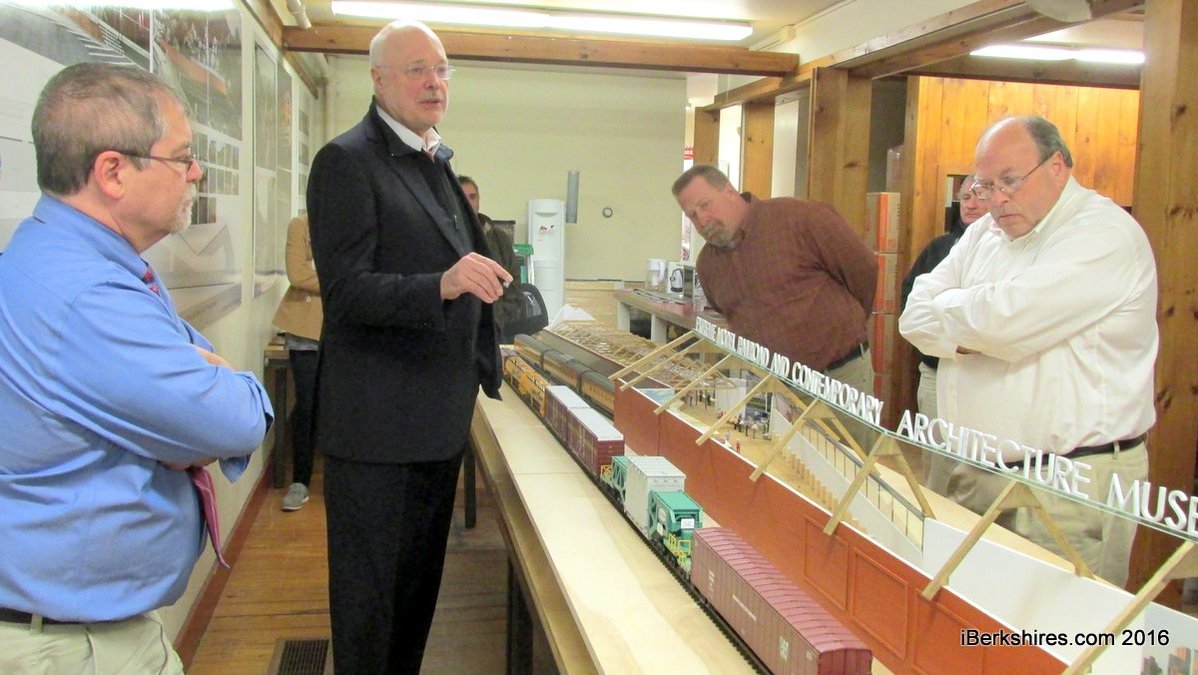
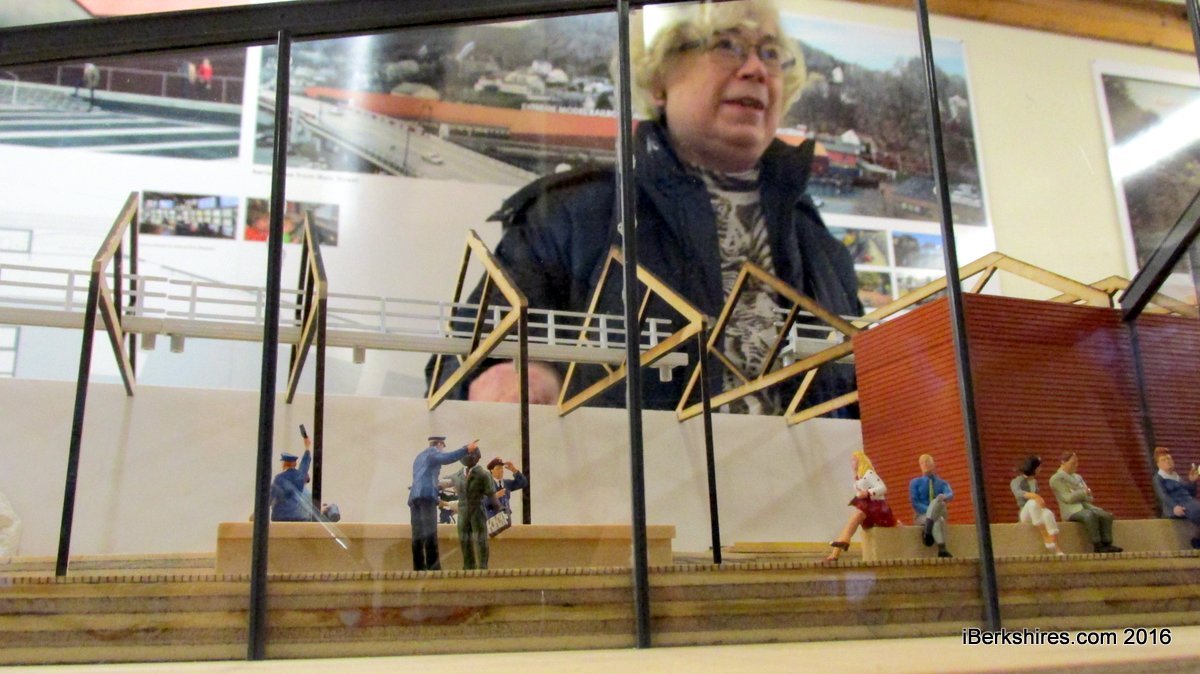
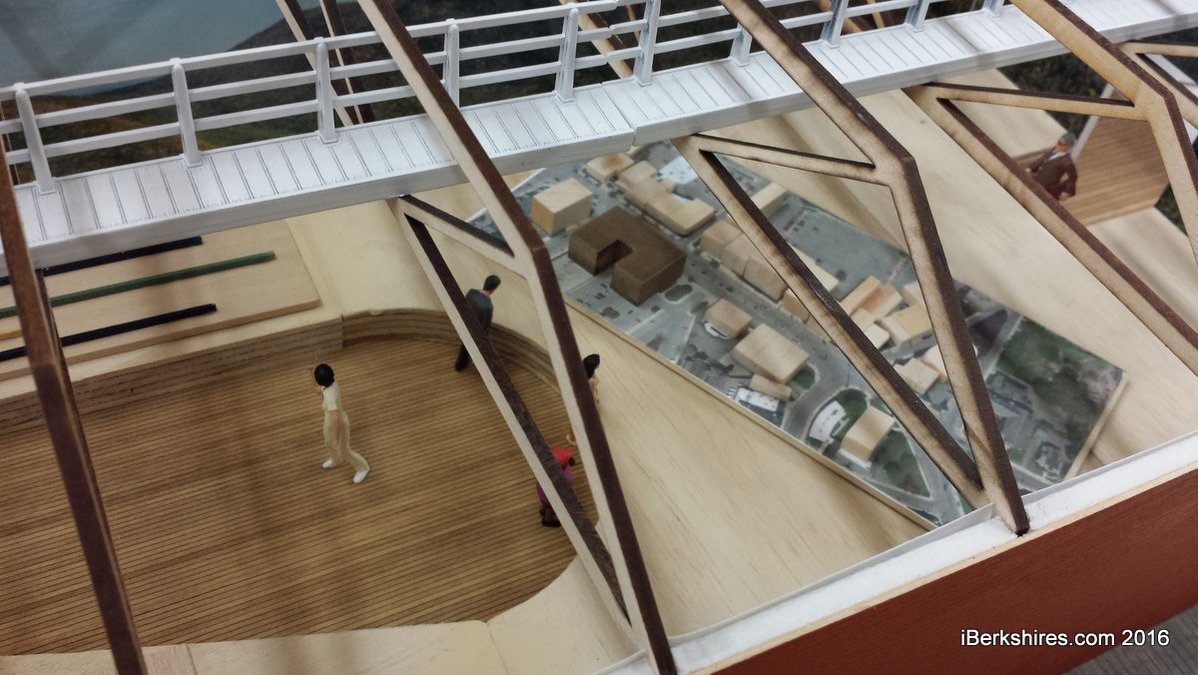
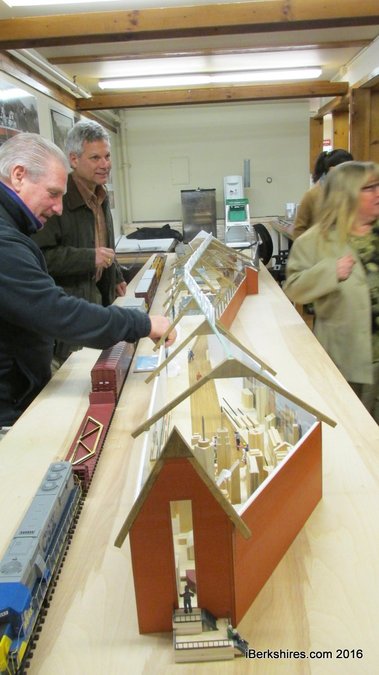
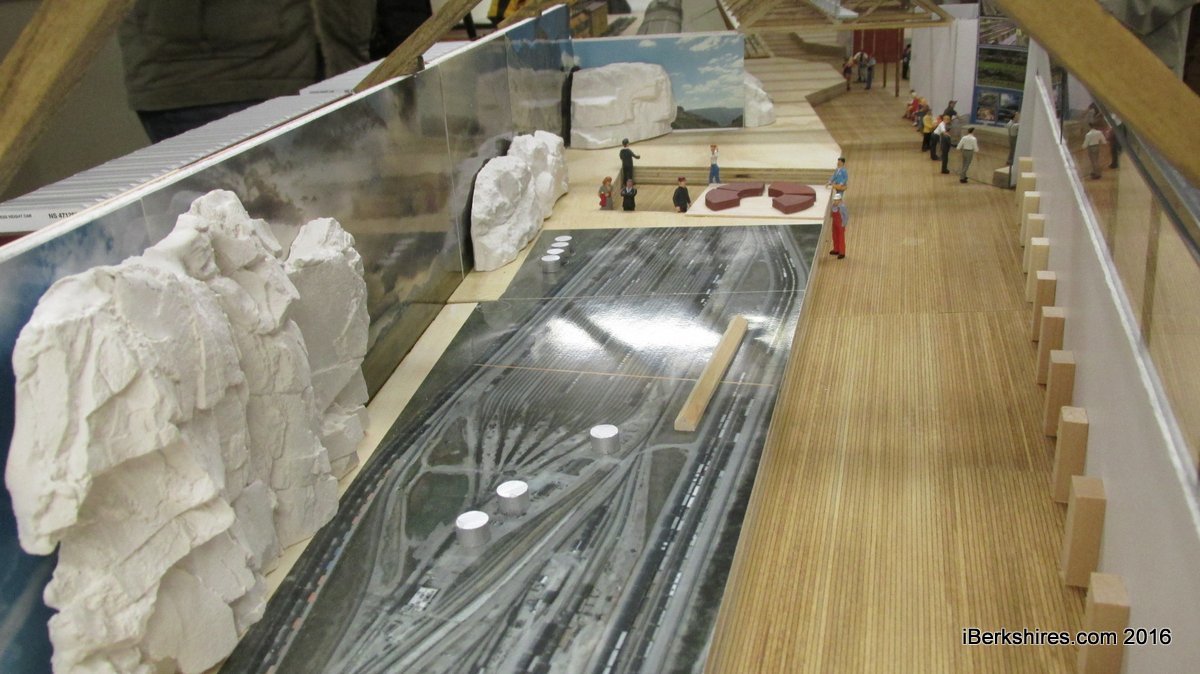
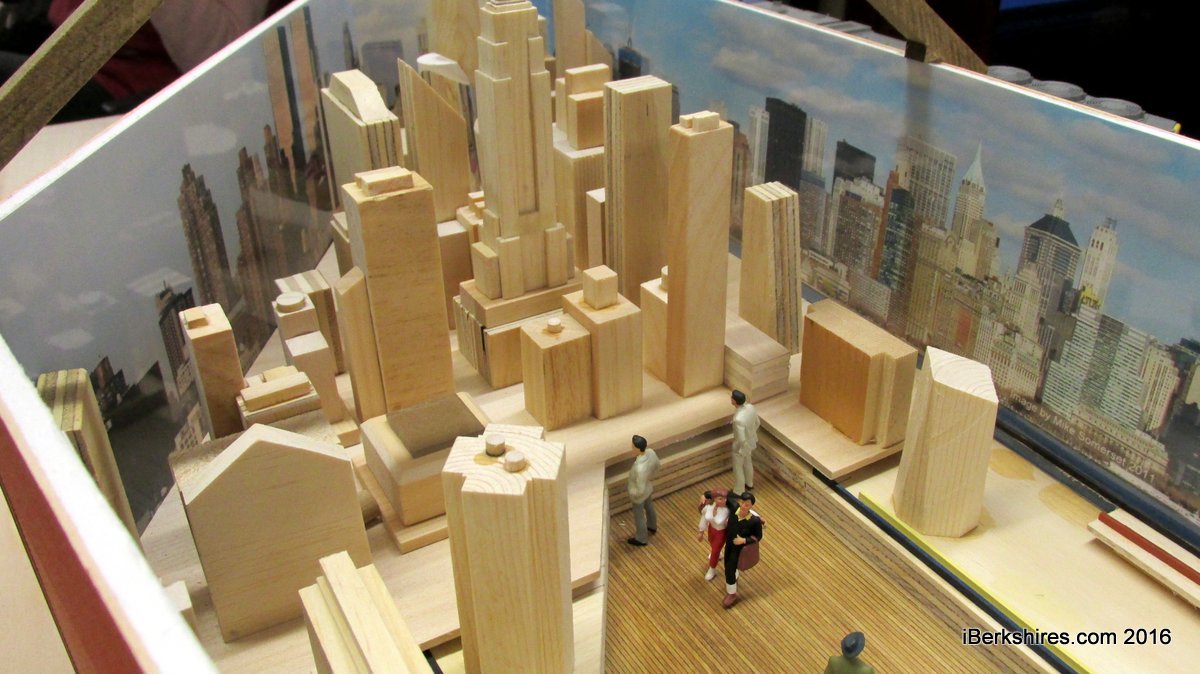
Using a scale model of the proposed museum, with New York City on one end of the gallery and North Adams on the other, Krens walked the board members through the details, such as three garage-door style windows that would open in good weather when a real train was going by.
"What you're going to see in this layout is not one or two trains going around a Christmas tree," he said. "You're going to see 8 miles of track with 100 trains operating simultaneously with over 3,000 freight cars and passenger cars."
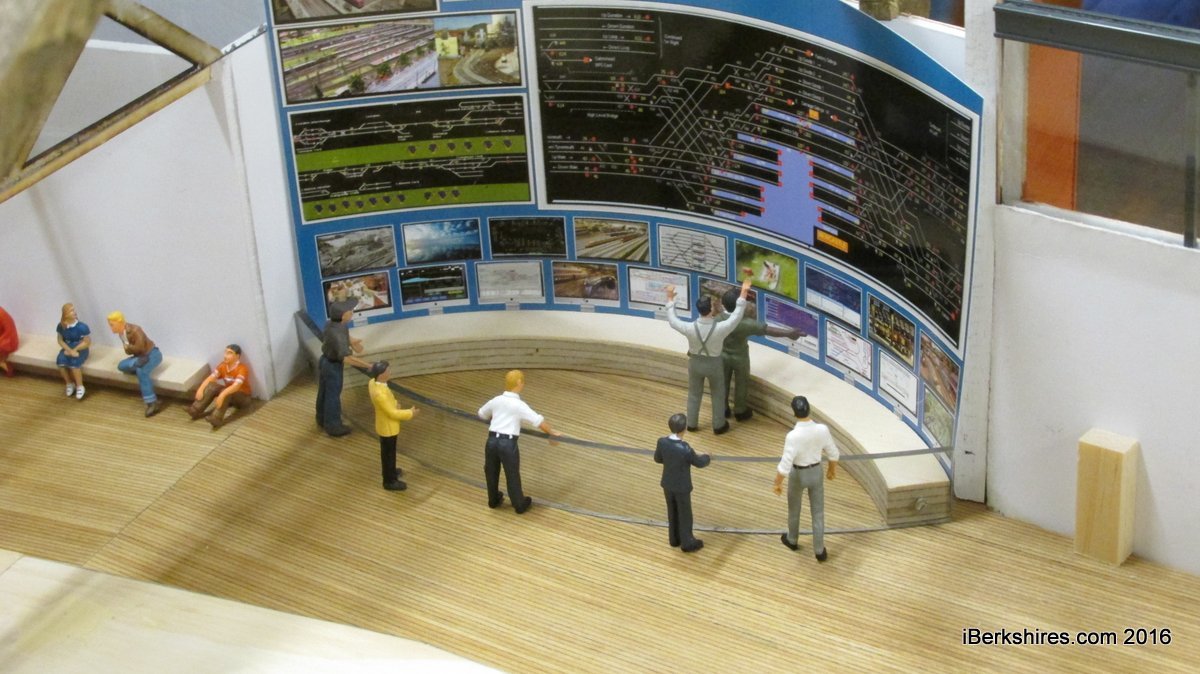
"The level of complexity is such that it needs a control center — this 22-foot space with 30 computers and big screens," he said, pointing out the display within the model, later adding, "You're going to see a scale I don't know of anywhere else."
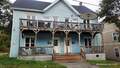
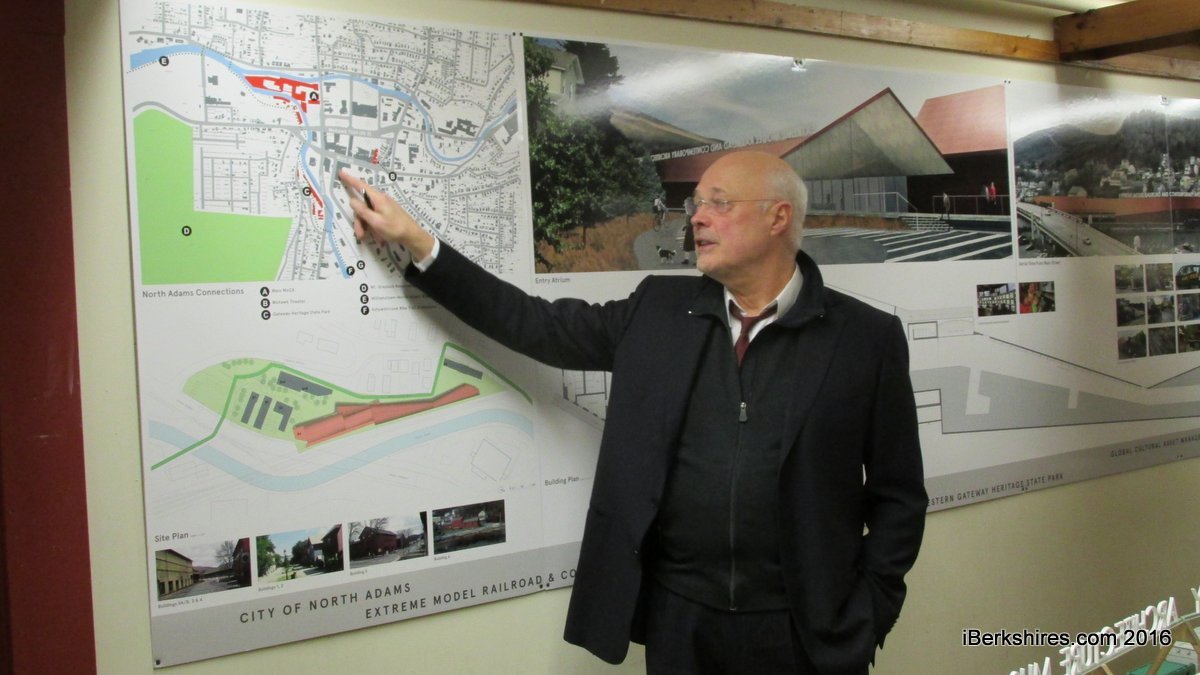
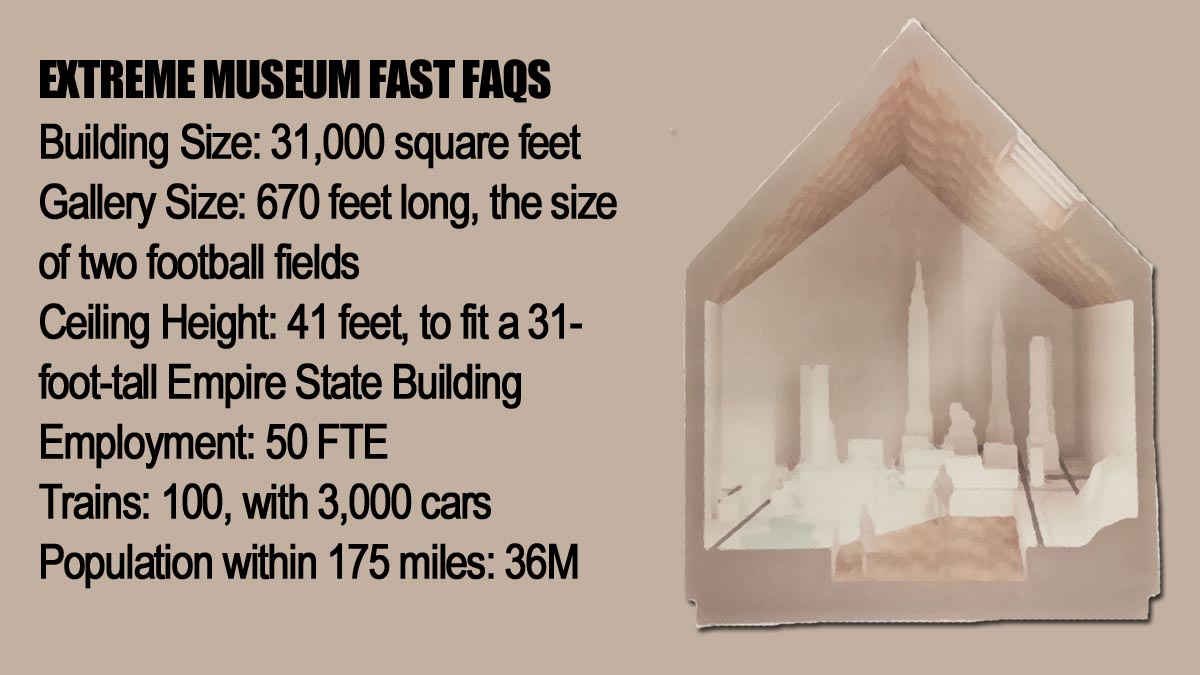
The proposed museum designed by Gluckman Tang Architects would take over Building 4, which currently houses the state's Hoosac Tunnel Museum, and add on another 670-foot long completely open addition, which Krens believes may be the longest single gallery in the world. Buildings 1 and 2 (the old general store and quilt shop) would become the museum's offices upstairs and cafe and gift shops downstairs.
A set of railroad cars would be turned into a fine dining establishment and Building 5 into a distillery.
Freight Yard Pub would remain and the North Adams Museum of Science and History and the tunnel museum could move into Building 6. The railroad museum would lease its location and Krens estimated the rental, once all the buildings in the park are occupied, at about $500,000 a year.
The possibility exists of up to a million visitors, based on the popularity of Minatur Wunderland in Hamburg, Germany, but Krens thought that unlikely. The principals are looking closer at 150,000 to 300,000, based on an overlay of four types of visitors:
1) People coming to the Berkshires for museums, events and recreation (estimated at 750,000)
2) Railroading enthusiasts (a California railroad museum gets 500,000 a year)
3) Model railroading enthusiasts (Northlandz in New Jersey claims 1,500-2,000 a day)
4) People living within a half-days' drive looking for a family activity
Krens pointed out that some 36 million people live within 175 miles of North Adams, more than Boston, and there is an excellent highway system leading into the area.
"It's logical you could get $300,000," he said.
Further down the road could be efforts to resurrect the Mohawk Theater and what Krens called his "fantasy," a luxury hotel with a rooftop bar on the L-Shaped Mall site surrounded by green space.
"It's a fantasy, but why not? Why not?" he said.
The next steps for the model museum are to begin talks with state and local agencies, pursue funding (Krens estimated about 75 percent private and 25 percent public capital), further pin down costs and permitting, and schematic designs, and undertake economic, environmental, traffic, building and market analyses.
The Redevelopment Authority accepted the study and authorized Mayor Richard Alcombright to work with GCAM on Phase 2 and deal with government agencies on its behalf, including applying for federal and state grants.
Tags: Heritage State Park, model railroad, museum, redevelopment authority,