A Tree Grows in Pittsfield: 2,399 More to Go
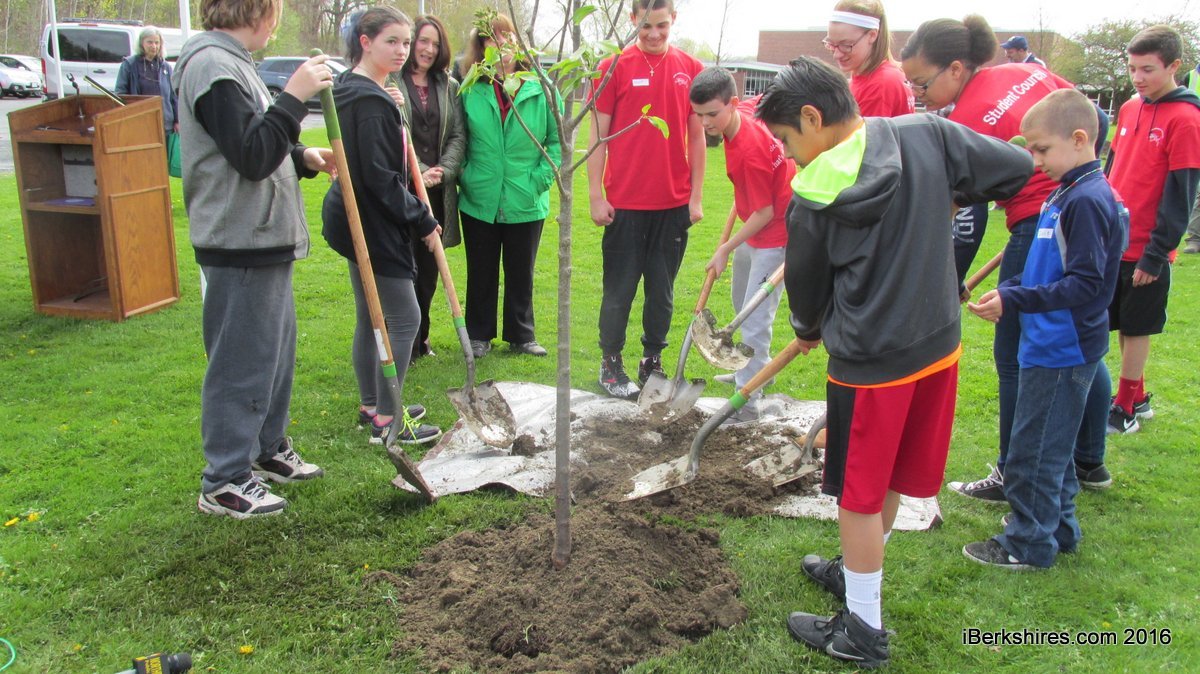
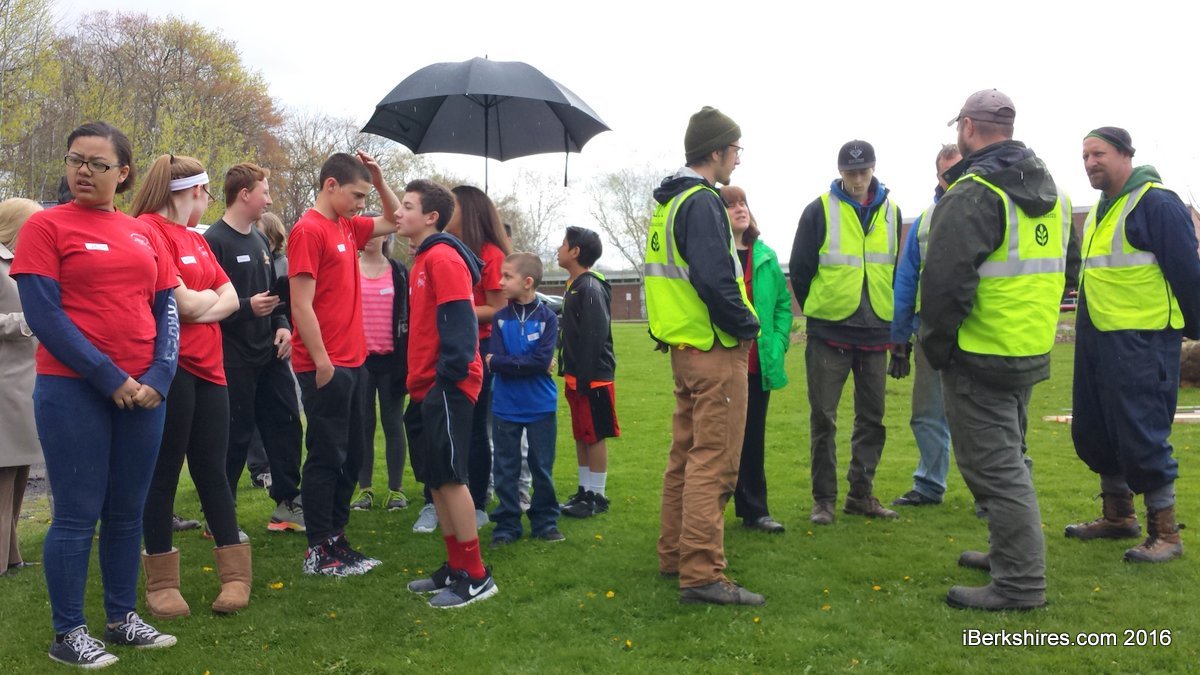
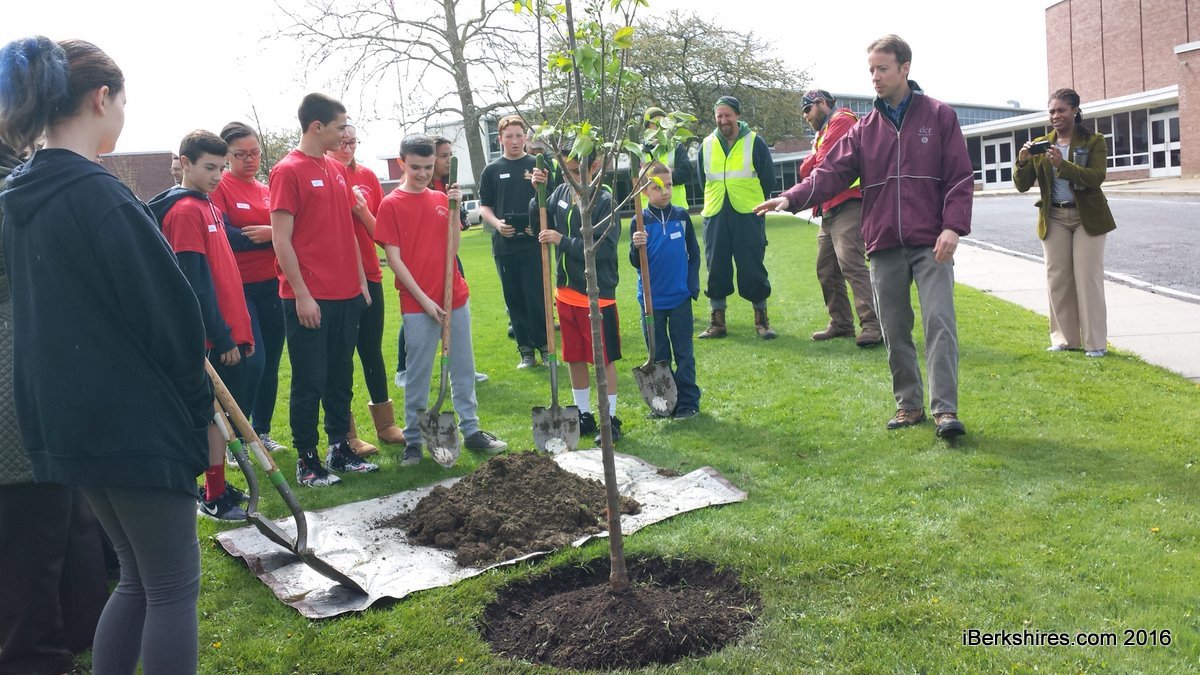
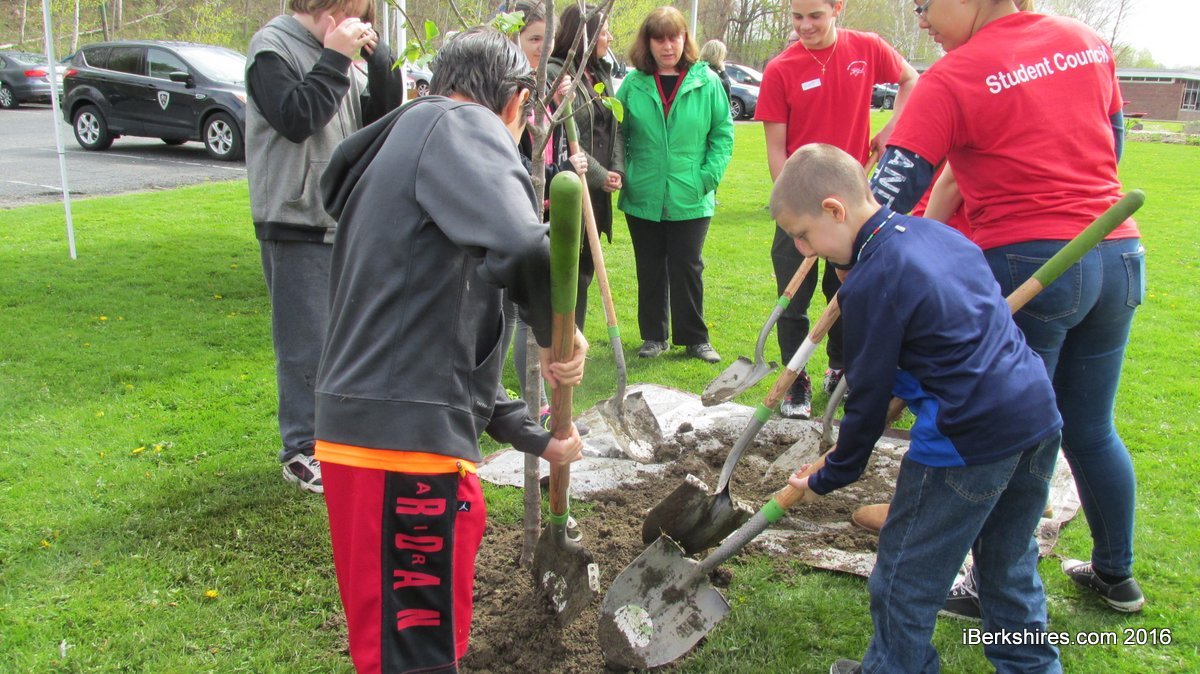
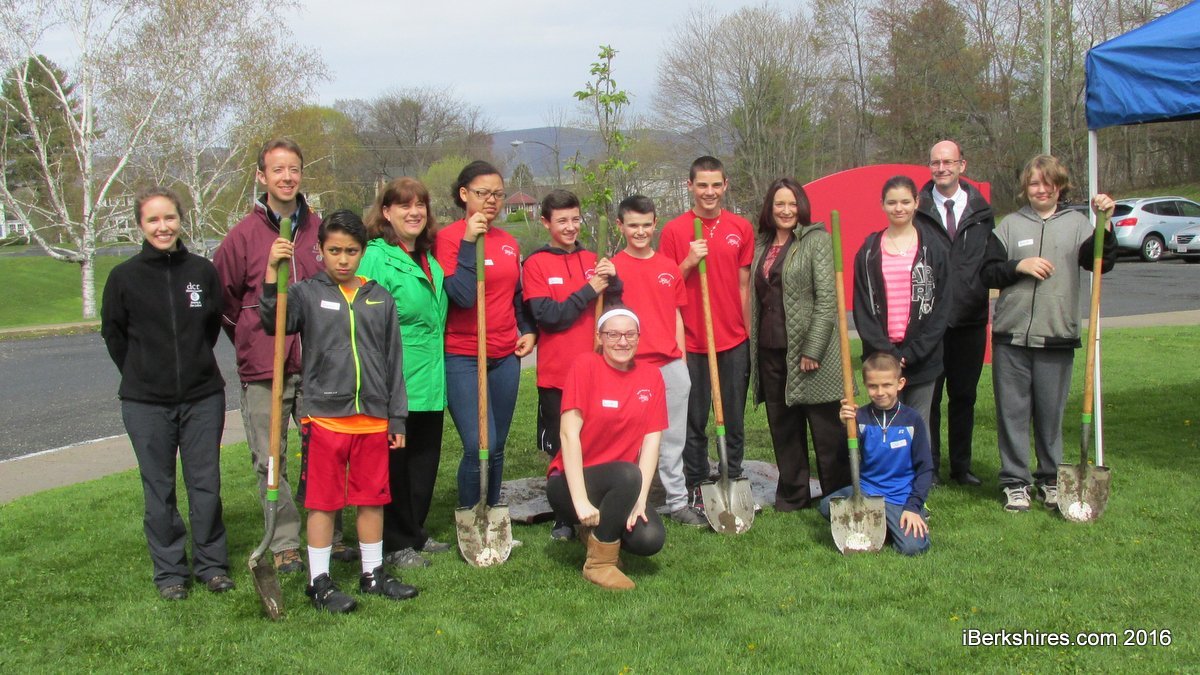
PITTSFIELD, Mass. — Reid Middle School students pitched in with state and local officials on Friday to set the first of some 2,400 trees that will be planted in targeted neighborhoods in the city as part of the state's "Greening the Gateway Cities" program.
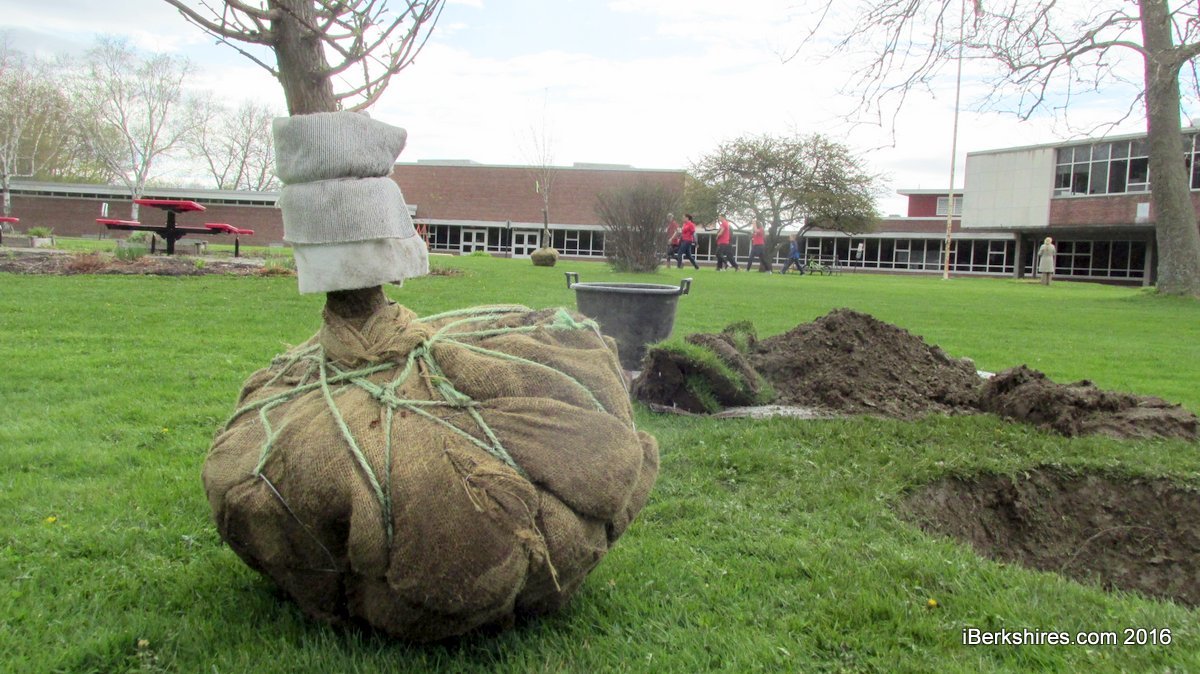
The ornamental lilac tree will grow to be about 20 feet high, along with four other trees planted on the lawn in front of the school through the Executive Office of Energy and Environmental Affairs.
"We can all appreciate how the beauty of trees enhances our neighborhoods and makes our environment a special place to experience," said Mayor Linda Tyer. "But trees are so much more than that. In fact, Greening of the Gateway Cities is all about using trees to provide energy efficiency, such as saving on heating and cooling costs across an entire neighborhood, because trees lower wind speeds and shade buildings."
Thousands of 6- to 8-foot tall trees will be planted on private and public grounds over the next three years.
The program identified two neighborhoods as "environmental justice areas" in need of trees: Morningside and West Side. The targeted area also encompasses a part of the downtown. (The city's website will have a map available delineating the area.)
Residents in those neighborhoods who would like a tree can leave a message at 617-626-1515 and the local forester will contact them to set up an appointment to discuss plantings. Urban Forester Mathew Cahill said the state is procuring some 40 different species to ensure the best fit for each location.
The project grew out of efforts to bring shade trees back to Chelsea and in Worcester, where the Asian long-horned beetle had forced the destruction of thousands of urban trees.
Bob O'Connor, the state's director of land and forest conservation, said the urban greening project had been successful in planting 1,200 trees in Chelsea despite its "very small yards and a lot of pavement."
The loss of trees in Worcester has had a significant effect on energy use, he said. Studies of electricity use for one neighborhood of about 750 homes prior to the trees being taken down showed the summer electricity rate jumped 37 percent after they were gone. Another study in Minnesota showed similar results during the winter with the loss of trees as wind breaks.
"We hope to save energy and we hope to green up the neighborhood," he said.
The Department of Conservation and Recreation has hired and trained an eight-person local crew to undertake the plantings. Mollie Freilicher, a community action forester with the state's Urban & Community Forestry program, said 175 trees have already been identified for plantings on properties owned by the Pittsfield Housing Authority.
Freilicher said part of the outreach is to get the community invested in the care of the trees. Some 30,000 trees, for instance, have been planted successfully in Worcester.
"There are very high success rates, survival rates for these trees and that's because of residents caring for them," she said. "We look forward to that same kind of success in Pittsfield and lasting benefit from these trees for generations to come."
The state is investing more than $12 million over the next three years to plant some 20,000 trees in eight gateway cities in a bid to increase the urban canopy by 10 to 15 percent. That is expected to save the average household in those areas some $230 a year in heating and cooling costs once the trees reach maturity.
The program in Pittsfield is being done in partnership with the city, the Berkshire Environmental Action Team and Pittsfield Tree Watch.
Tyer asked the students from the school's 21st Century Program to imagine what the tree they planted will look like by the time they graduate high school.
"I'm very excited and looking forward to seeing the outcome of this very special project," she said.
Tags: gateway cities, Reid Middle School, trees, urban forest,