Cheshire Rent Control Board Denies Huge Increase
CHESHIRE, Mass. — The Mobile Home Rent Control Board set a $7.46 monthly increase for Pine Valley Mobile Home residents — 95 percent less than what the park owners had asked for.
The Selectmen, acting as the rent control board, were met with cheers after making their ruling Monday night and denying Morgan Management its $145 proposed increase that would have rocketed the current rent of $256 to $401.
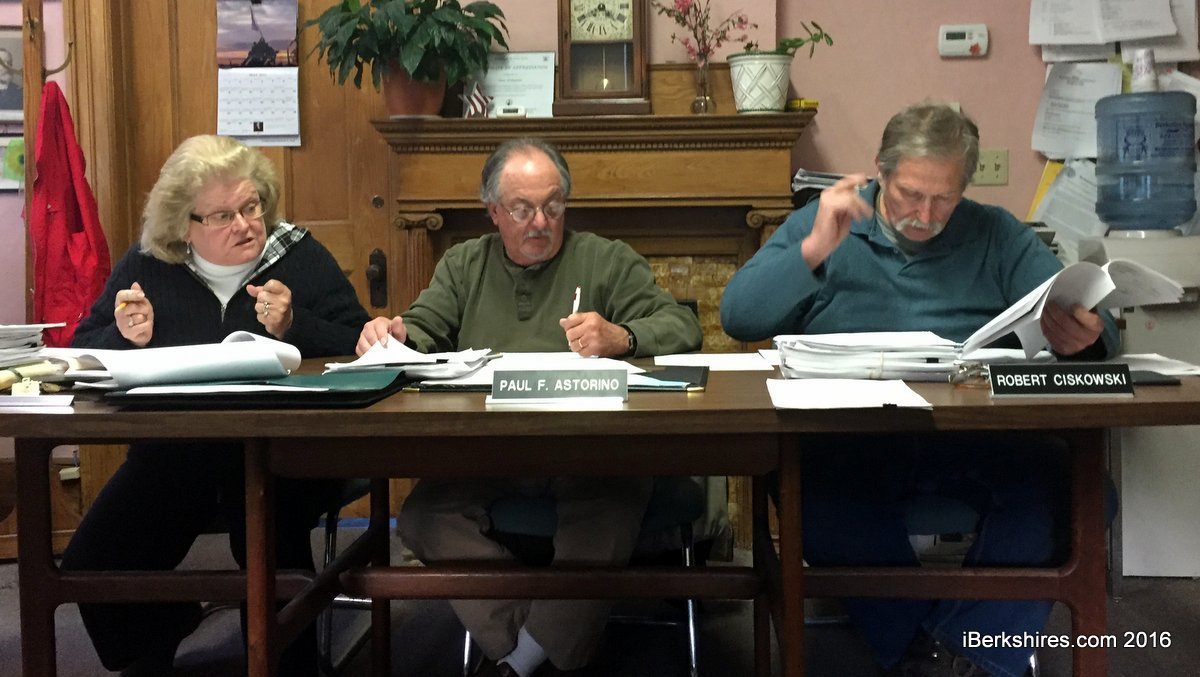
"I am relieved," board member Robert Ciskowski said. "We could get it to the very penny but we would be into next January, and I think it is beyond our capability to do much more with this."
Morgan Management sent a letter to the Selectmen earlier this year proposing the increase. The letter stated the increase was needed to support capital projects, increases in utilities and payroll, and legal counsel fees connected to capital improvements and maintenance.
The tenants' attorneys vied for a decrease in rent of $48, but the rent control board felt more comfortable with a total $263.56 a month.
The board members ran through their calculations and Ciskowski said he was surprised by how close they were.
"We are extremely close on this ... it's amazing," he said. "We did this independently, and I think we are on the same heading here."
Board member Carol Francesconi suggested backing out $15,610.92 in environmental counseling and permitting fees because she felt they were directly connected to the state-mandated septic upgrade project.
Ciskowksi agreed and pulled out a similar amount of $15,554.
He said a letter included in the documents from New England Environmental stated that the ground water discharge permit was connected to the project.
"The evidence from New England Environmental said the permit is based on the septic upgrade, and I don't think it should be in there," Ciskowski said.
Morgan asked that other fees, including legal fees, be represented in a $89,486 outlay covered by the tenants.
The rent control board stuck closer to the tenants' attorney's numbers that backed out many of the legal fees they felt were connected to the septic upgrade, appeals, or law suits the tenants were not responsible for.
Ciskowski and board member Paul Astorino took numbers directly from the attorneys: $47,145. Francesconi backed it down a little more to $39,460.
"I am not a forensic accountant but I went with that," Ciskowski said. "I just think the argument that the tenants' attorney made ... was very logical to me so I went with that."
The board also tied in applicable capital improvement costs made to the park's roads.
The board did not touch payroll. Morgan asked for an increase for an additional employee, however the board felt there was not enough evidence to justify hiring anyone else or decreasing payroll.
All in all, the board members' bottom line numbers were close with only a $3,000 gap. Francesconi suggested splitting the difference.
Ciskowski urged the board to go with one number so if the increase is appealed it won't be sent back to the board because of arbitrary cuts. He said this has happened to the town in the past.
"I think we should pick one or the other, and I think if we split the difference and if it gets appealed, this could get thrown back at us," he said. "I would rather be unified on this."
The board agreed to go with Francesconi's numbers.
Tenants rent cannot be increased until they are sent a notification by mail.
Tags: mobile home park, rent control,