Some Berkshire Farms to Receive Aerial Crop Planting
WILLIAMSTOWN, Mass. — Farms in Adams, Cheshire, Lanesborough, North Adams, Sheffield, West Stockbridge and Williamstown will be seeding a little differently this August.
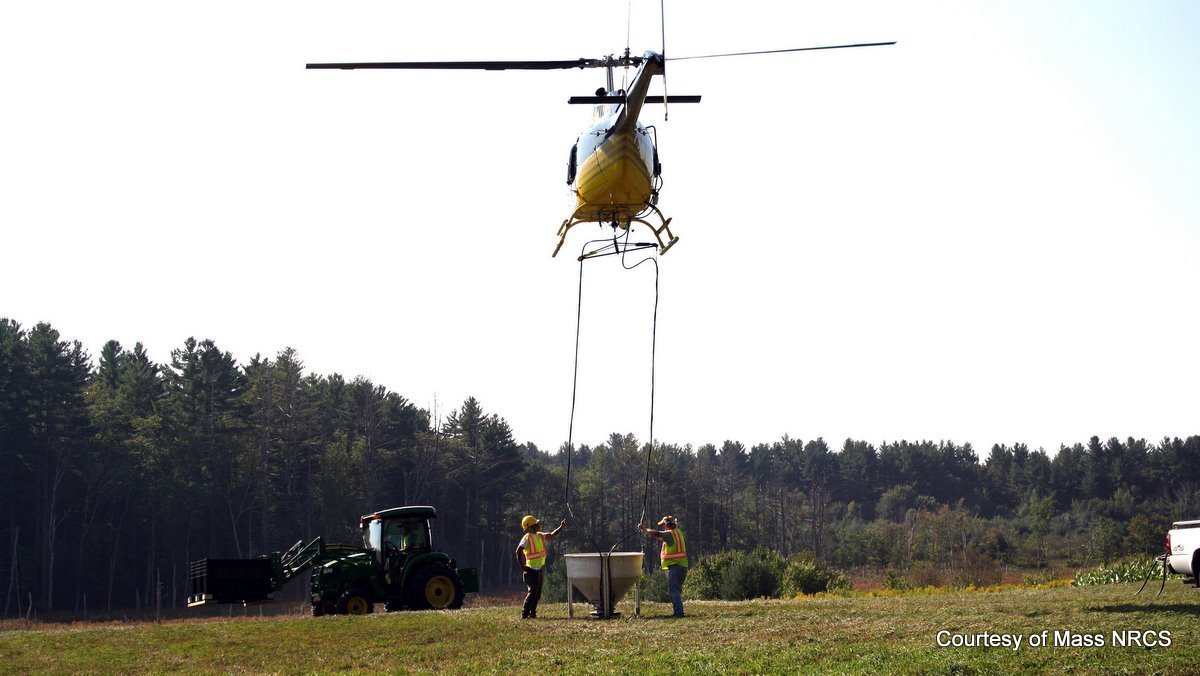
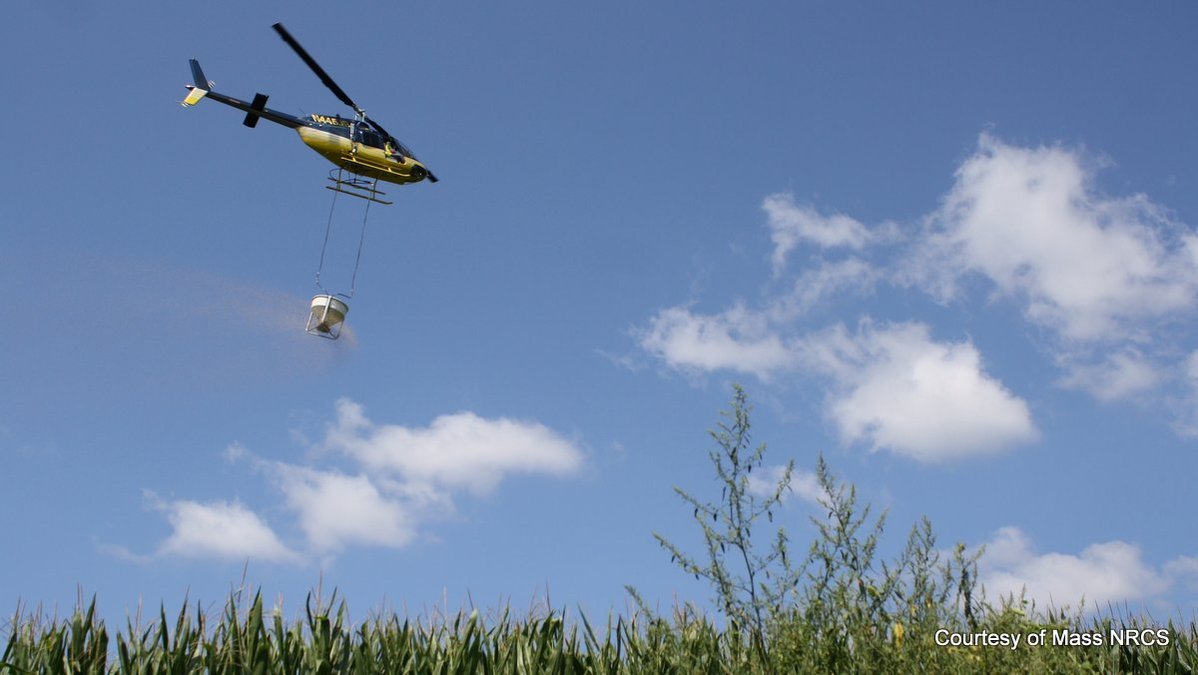
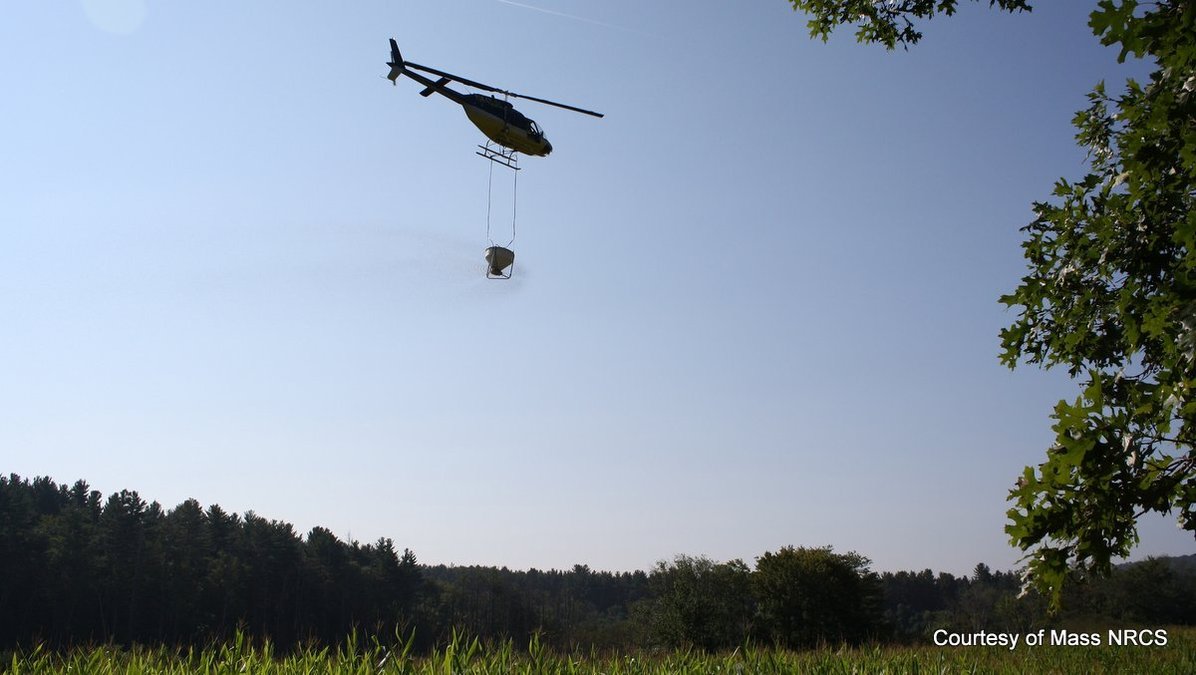
Instead of establishing a cover crop by hand, a helicopter will plant winter rye grass seed from above.
The airborne cover-crop planting is being done through the U.S. Department of Agriculture's Natural Resources Conservation program.
Farms through the state applied to the NRC's Environmental Quality Incentives Program to take advantage of financial and technical assistance for a conservation practice that allows farmers to take full advantage of a cover crop.
Chenail Brothers Dairy Farm's Wallace "Wally" Chenail said aerial cover crop seeding will be a first for the farm.
"It is exciting and I am hoping it works out," he said. "This program is new, and we have been involved in other programs ... some I like, some I don't, but this one was a pretty easy sell."
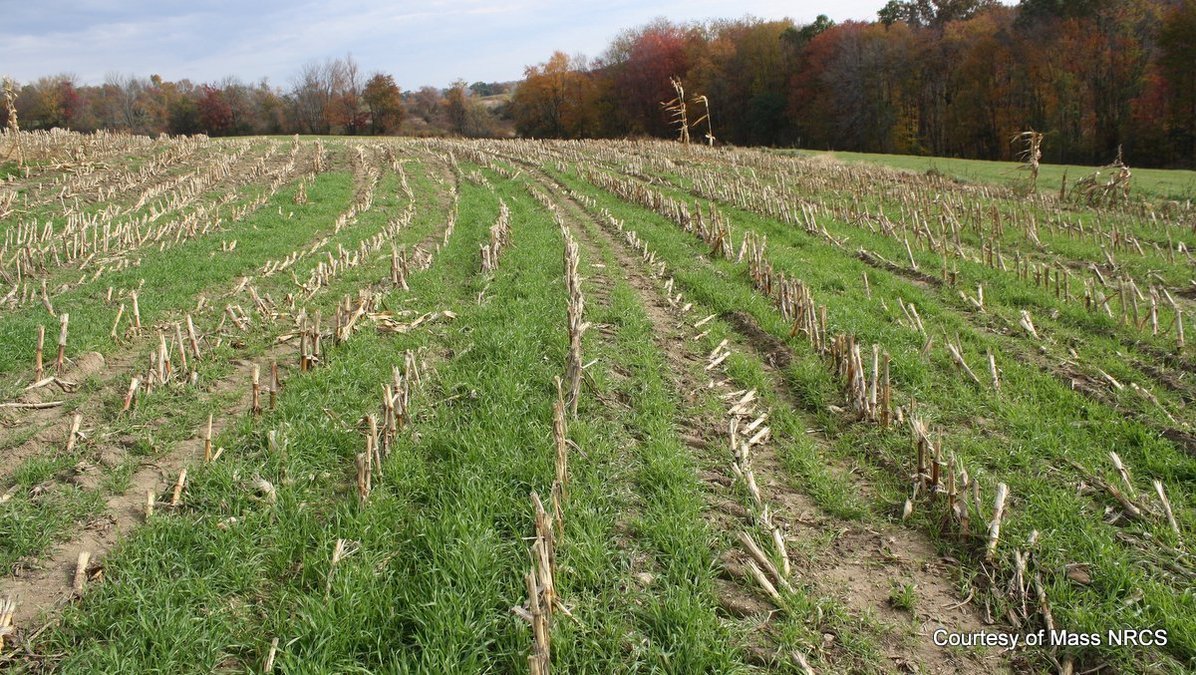
Chenail explained that cover crop is a second crop planted to enrich and protect the soil and to control erosion after the main crop has been harvested. However, this secondary seeding often leads to compromised benefits because the crop is planted late in the season.
He said the government has offered incentives for cover crops ever since the Dust Bowl, when extensive plowing and lack of erosion controls in the 1930s turned the middle of the nation into a windblown desert.
But the cut-off date for planting has always been Sept. 10. This creates difficulties for New England farmers who often harvest around this time with the impending winter looming a few months away.
Chenail said aerial seeding will give the cover crop a head start and it will grow while the corn is nearing harvest, releasing the cover crop's full potential.
"In the Northeast, everyone is getting their corn starting around Sept. 10," Chenail said. "This way we are planting in the next week or so."
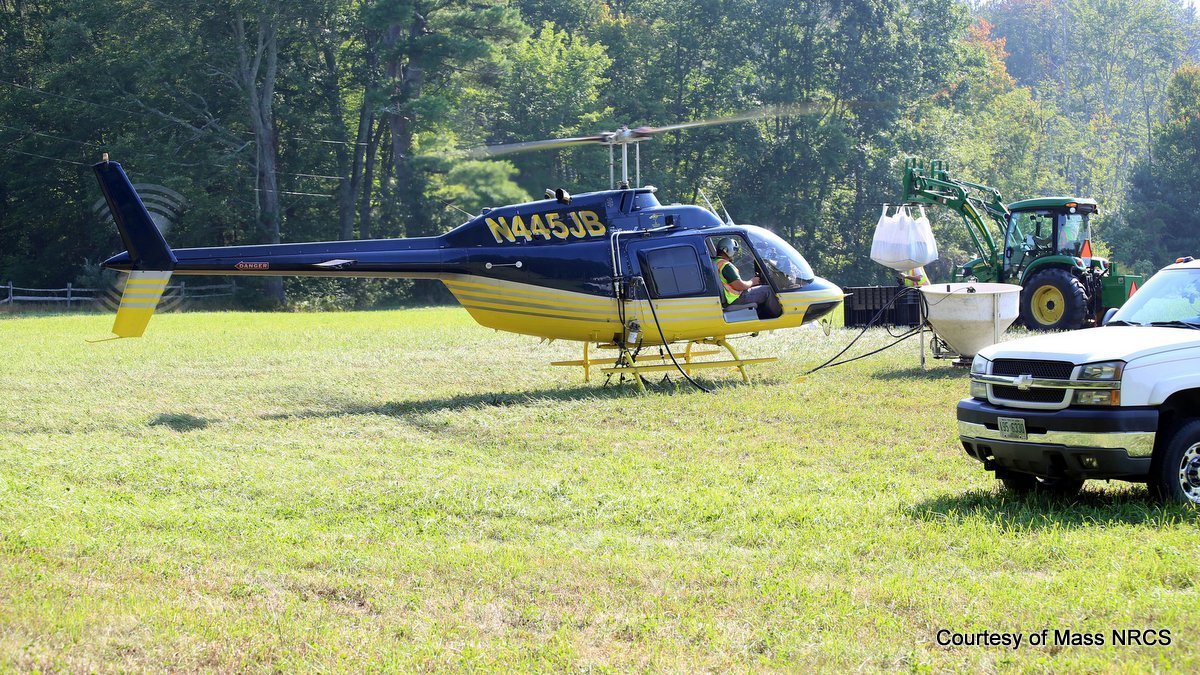
Rita Thibodeau, the NRCS district conservationist who is coordinating the program, said in a press release that NRCS hired a helicopter company that will fly over cornfields and release the winter rye grass seed from a hopper hanging beneath the chopper. By inter-seeding the rye, the cover crop will be established when the corn is harvested a few weeks later.
Thibodeau said the seeding is highly controlled and global position satellites are used to create a precise flight path that won't interfere with surrounding farms.
Chenail said cover cropping is not a new science and has been around for years. He added this new method will make it more efficient.
Once the seed is planted, it will grow through September, October and November. The oats will die but the rye will continue to grow through the winter and into the spring.
Chenail said he can either till the rye or lay manure over the top of it creating a mat. Over the winter, the rye will grab nitrogen from the manure and replace the nitrogen the corn takes out of the soil.
"Nitrogen will be grabbed by the rye and the later you can go in December the more it will grab," Chenail said. "Then it will lock it away and bring it down to the soil.”
He said this creates healthier soil and better corn.
Chenail said the helicopter has already picked out a landing zone and plantings are scheduled to take place between Aug. 10 and mid-September. But like all farming, even from the sky, it will be weather dependent.
Although he finds the idea of flying through the air in a helicopter with a seed hopper attached somewhat worrisome, he would definitely hitch a ride.
"I hope they let me ride in it but I kind of doubt it," Chenail said. "I get to ride in everything else but I don't think I'll get to ride in the helicopter."
Tags: agriculture, farming, helicopters, planting, USDA,