Schools Drive 8 Percent Tax Rate Hike in Williamstown
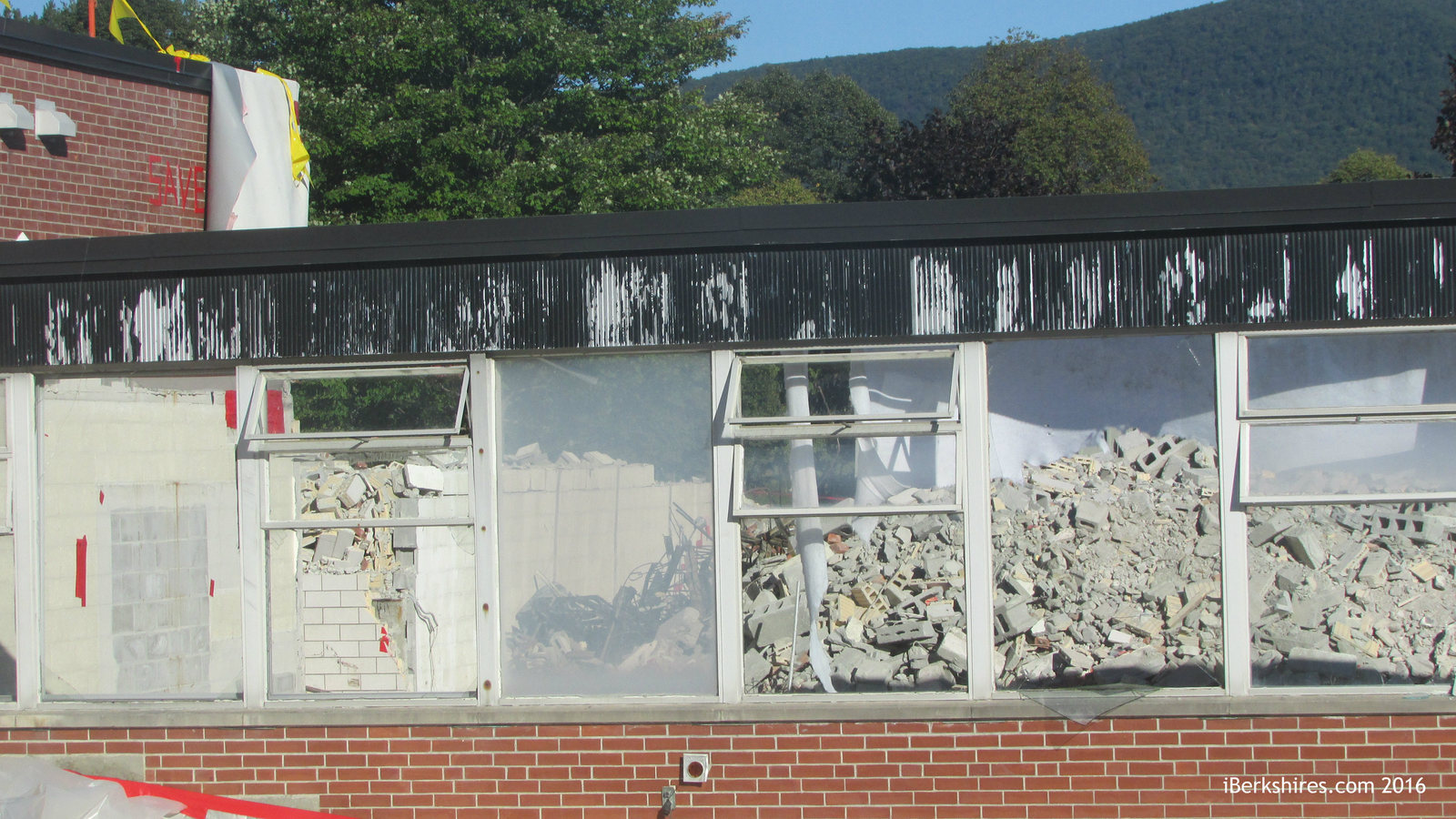
WILLIAMSTOWN, Mass. — Williamstown residents can expect a tax rate increase of about 8 percent in fiscal 2017 thanks largely to the expansion and renovation of the junior-senior high school that voters approved earlier this year.
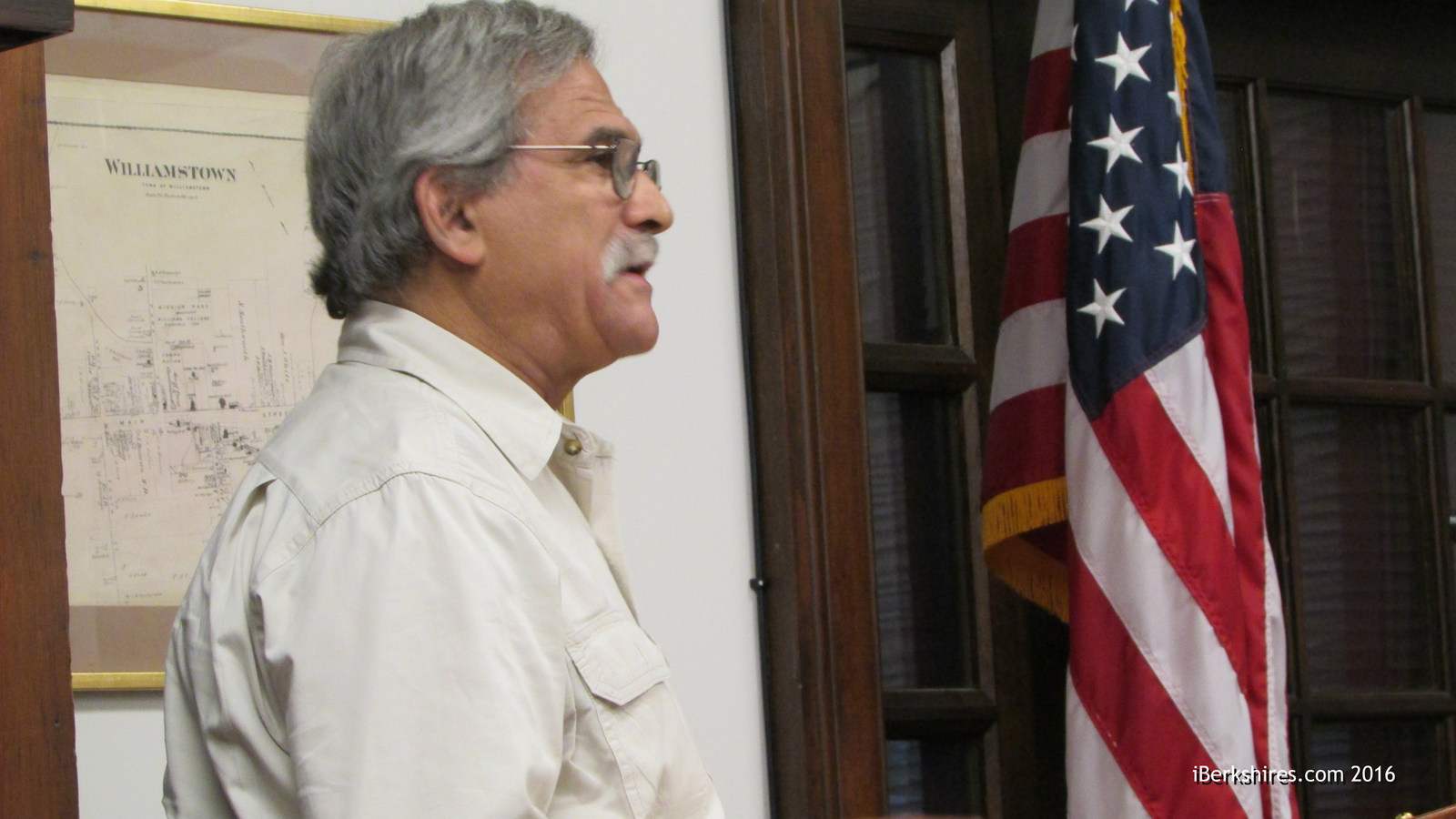
On Monday, Town Manager Jason Hoch told the Board of Selectmen that he expects to see an overall increase in the tax rate of $1.27 in the coming year, a hike of 8.03 percent over last fiscal year.
Last year's rate was $15.79 per $1,000 assessed value and the average value was $355,136; the estimated increase this year is about $400 on the average tax bill.
About 55 percent of that increase is attributed to the building project at Mount Greylock Regional School with the rest coming from increases in the school side of the budget, Hoch said.
The town's apportionment of the operating budget at the two-town regional school, Mount Greylock, is rising because of demographic shifts between Williamstown and Lanesborough. And the town-only Williamstown Elementary School saw an increase of 6.35 percent approved by May's annual town meeting.
The modest rises in the town's operating budget and its assessment from the regional McCann Technical School are offset by tax base growth and revenue growth, Hoch told the board.
Meanwhile, the Mount Greylock building project's impact on the tax rate is expected to grow again next year, Selectman Hugh Daley explained to his colleagues.
Daley, who serves on the finance subcommittee of the Mount Greylock School Building Committee, reminded the board that the regional school committee decided in the spring to ramp up the tax impact to the member towns over a couple of years.
The good news, Daley said, is that the district anticipates the overall impact on Williamstown's tax rate to be at the low end of the estimates published in advance of the school bonding vote earlier this year.
"We published [estimates of] $1.42 to $1.62," Daley said. "In the new projections, the upper end of that range is now $1.47."
Mount Greylock is benefitting from continued low-interest rates and strong credit ratings in the two member towns. Daley said the district's bond rating is currently being developed and will amount to some average of the two town's scores.
The Mount Greylock Regional School Committee plans to approve the prospectus for the bond at its Sept. 20 meeting with a sale date of Oct. 3, at which time the rate will be locked in, Daley explained.
In addition to the low-interest rate, there are other factors working in the favor of Williamstown taxpayers as they take on the new debt, Daley said.
"One of the things that I find encouraging is we have had tax base growth," he said. "One of the highlights of Williamstown in all of Berkshire County is we have things being built here — new construction, new homes. With the way that helps us when our expenses increase, it's nice to have new projects coming online to offset this."
Assessor William Barkin told the board on Monday that the town is currently assessing the Cable Mills project, which opened earlier this year, at 75 percent of its market value, and the Highland Woods apartment complex is assessed at 50 percent. Both those valuations will move to 100 percent in the next round.
Meanwhile, the Williams College book store on Spring Street and planned new Williams Inn each will add to the town's tax base, Town Manager Jason Hoch noted.
Barkin was before the Board of Selectmen on Monday for its annual tax classification hearing.
Each year, the board must decide whether it wants to allocate more of the town's tax burden to commercial and industrial properties by taxing them at a higher rate than residential properties. The town also has an option under the laws of the commonwealth to charge part-year residents a higher property tax rate.
Williamstown historically has opted for a unified tax rate, and Barkin said that path continues to make sense.
"The Board of Assessors has met … and recommended one rate, which is the tradition based on how the town is set up," Barkin said. "It's not a resort community. There are not a lot of second homes. And 90 percent of the properties are residential.
"Our commercial/industrial [property] is 10 percent, and industrial is dropping. When I came 30 years ago, we had three factories in town: Photech, Carol Cable and Steinerfilm. Now there's one [Steinerfilm]."
Tags: MGRHS school project, property taxes, tax classification, tax rate,