Guest Column: Getting Smart About Art
The North Adams Public School district boasts one of the finest art programs in the commonwealth.
Students of all grade levels participate in classes and field trips that nurture their creativity in a fun and hands-on way. Our elementary schools offer choral and instrumental programs during the school day and perform concerts throughout the academic year. They make frequent field trips to Massachusetts Museum of Contemporary Art. Through a partnership with Berkshire Children and Families and Brayton Elementary School, students are introduced to classical music through the innovative Kids 4 Harmony program.
Arts programming at Drury High School has grown so much that the school has created the Drury Performing Arts Center (DPAC). Students get training in performance and visual art, and music. They learn about set design, costuming, lighting, and sound as well as the business end of performance art through instruction on management. The Drury Stage Company initiative began four years ago as an inclusive, community and school arts-department experience and has thrived with participation from more than 100 students, faculty, and community members. The Drury band, chorus and drama programming are exemplary with all of the above coming together in the spectacular performance of "Copacabana" last week.
It is obvious that offering art to students is incredibly important to shaping the student experience, and thus the whole person. These classes and opportunities for creativity keep some of our students, who might not otherwise be as engaged with their schools, excited about coming to class. They also foster much more parent and community involvement in our schools. Anyone who has attended one of our wonderful stage performances or band concerts can see the excitement and pride for themselves on the faces of the students and those attending.
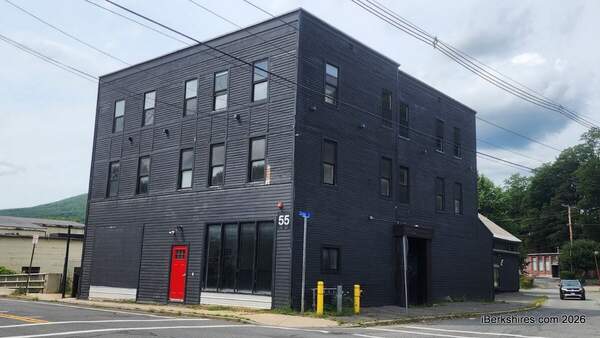
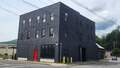
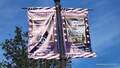
Anyone who has seen the beautiful pieces of art that adorn the Cascade School Supply building in the city, understand the positive impact our kids (and their art) have on this community. These options should be available to every student in the commonwealth. And every district, including North Adams, should have flexibility and additional funding in choosing to offer more arts classes from kindergarten up through high school. The recent overhaul of federal education standards makes this possible.
Late last year, Congress replaced the No Child Left Behind Act with the Every Student Succeeds Act (ESSA). ESSA includes instruction in the arts as part of its definition of a well-rounded education. What this means for Massachusetts ― and North Adams ― is that there is now an opportunity to include access to arts and more parent involvement in state education standards. Next year, the Massachusetts Department of Elementary and Secondary Education will be updating the state's accountability standards in order to conform with ESSA, and the agency should include access to arts education in the new benchmarks for success.
There is a very practical reason to include the arts in the new state educational standards. ESSA will permit school districts to apply for Title 1 funding for the arts. Title 1 is the largest source of federal funding for schools and it is used to pay for instructional support services for students who are at high risk of failing. Here in North Adams, we use funds from Title 1 to create flexible, small-group and individual instruction for students and to create opportunities for more parent involvement. ESSA will also allow Title 2 funding, which pays for teacher training, to be used for professional development for art teachers.
As we look ahead to 2017― and beyond ― we need to find ways to keep all of our students engaged in education and learning. They need to be well-schooled in the basics of reading, writing, and arithmetic. But they also need to be able to think creatively, solve problems, and embrace innovation. Art does all of this, and more. ESSA is a unique opportunity to shape our schools to be even more of what we want them to be ― places where students and parents alike are excited and engaged in all aspects of learning, building community, and laying down the foundation for a successful future. The state should not let this chance pass by.
North Adams Mayor Richard J. Alcombright, chairman of the North Adams School Committee, and Barbara Malkas, superintendent of the North Adams Public Schools
Tags: fine & performing arts,