Berkshire Bank Moving Corporate Headquarters to Boston
PITTSFIELD, Mass. — Berkshire Bank is moving its corporate headquarters this Boston later this year as it acquires Commerce Bancshares Corp., increasing the bank's holdings to $12 billion.
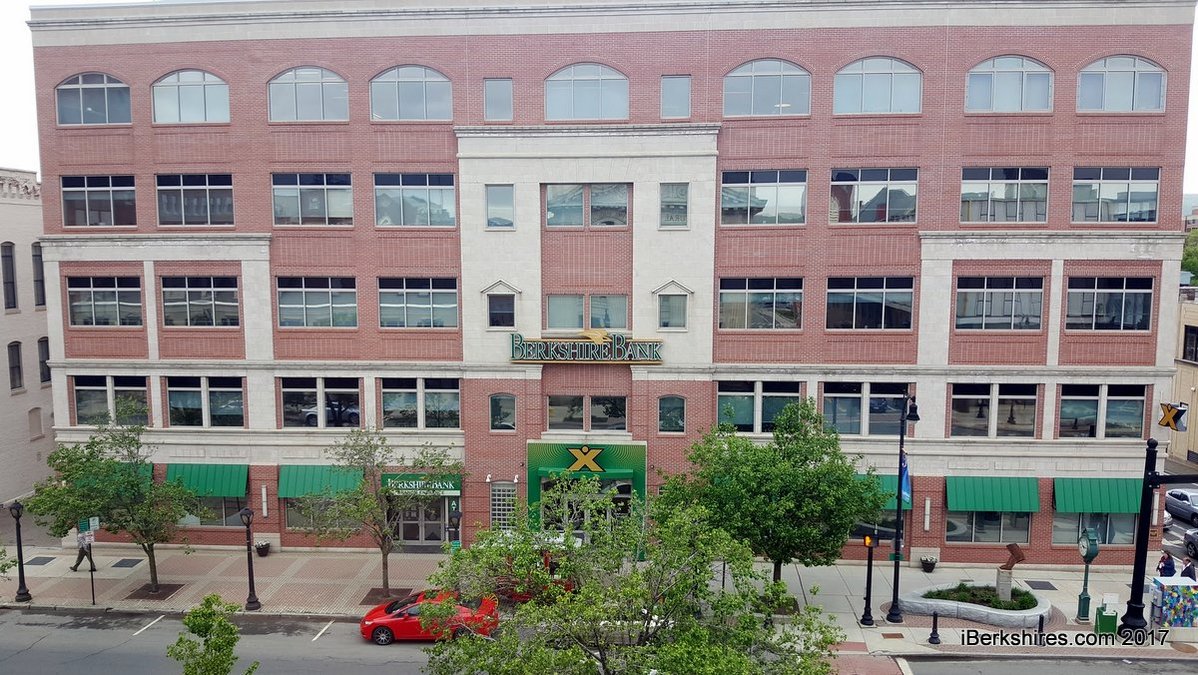
The $209 million acquisition makes Berkshire Hills Bancorp the largest regional bank in Massachusetts, according to officials, and the first regional bank headquartered in Boston in decades. Bank officials say moving its corporate headquarters will not affect its employees here and that the operational center will remain on North Street.
"Locating our corporate headquarters in Boston will not take us away from our roots in Berkshire County; we remain committed to all of our employees, customers and communities," said Michael P. Daly, CEO of Berkshire Bank in a statement. "Boston will offer our senior executives connectivity with government leaders, regulators, and decision makers, and provide the ability to attract broader workforce talent as the bank continues to grow. ...
"This is not only important to Boston, but to all our local markets, to be the first regional bank with a Boston headquarters in decades."
Senior executives will have offices in both Boston and Pittsfield, which will remain the operational hub and regional headquarters. Berkshire Bank has two locations on North Street but officials say neither location will be affected and no employees will be affected.
The bank sees Boston as a far-flung extension that will offer a base for "senior leadership to build relationships with key regulators, business leaders and potential business partners," according to a spokesperson. "This is an important part of our continued growth strategy; any future growth will have an ongoing positive impact on our operations in the Berkshires."
Commerce reported $1.5 billion in loans and $2.0 billion in deposits as of March 31, 2017, adding $2.2 billion in assets to Berkshire Bank. The merger includes 13 branches in the Worcester area and three branches in Boston. The bank currently has $9.3 billion in assets and 97 full-service branch offices in Massachusetts, New York, Connecticut, Vermont, New Jersey and Pennsylvania.
Previously known as Berkshire County Savings Bank, the bank was established in 1846 and has gone through a number of mergers and acquisitions over the decades. In the past 10 years alone, it has acquired eight banks, including Legacy Banks, three specialty finance companies, six insurance companies and a branch network, according to its fact sheet.
Berkshire Hills Bancorp is one of the largest employers in the region. It employs more than 1,500 people across the state and its institutions.
The relocation of the bank's main office is subject to regulatory approval. The downtown Boston corporate headquarters location will be announced in early third quarter 2017.
"Relocating our corporate headquarters to Boston's financial district is a well-timed move that will make us stronger by driving value and adding jobs that will benefit our employees and customers across our footprint," said Sean A. Gray, chief operating officer. "As a successful regional bank, having our headquarters in a strong hub for the financial services industry provides economic value and takes advantage of the largest New England market to fuel growth, increase our ability capitalize on our investment in all of our communities."
Tags: Berkshire Bank,