Neal Delivers 100K Grant To Help Fairview Hospital
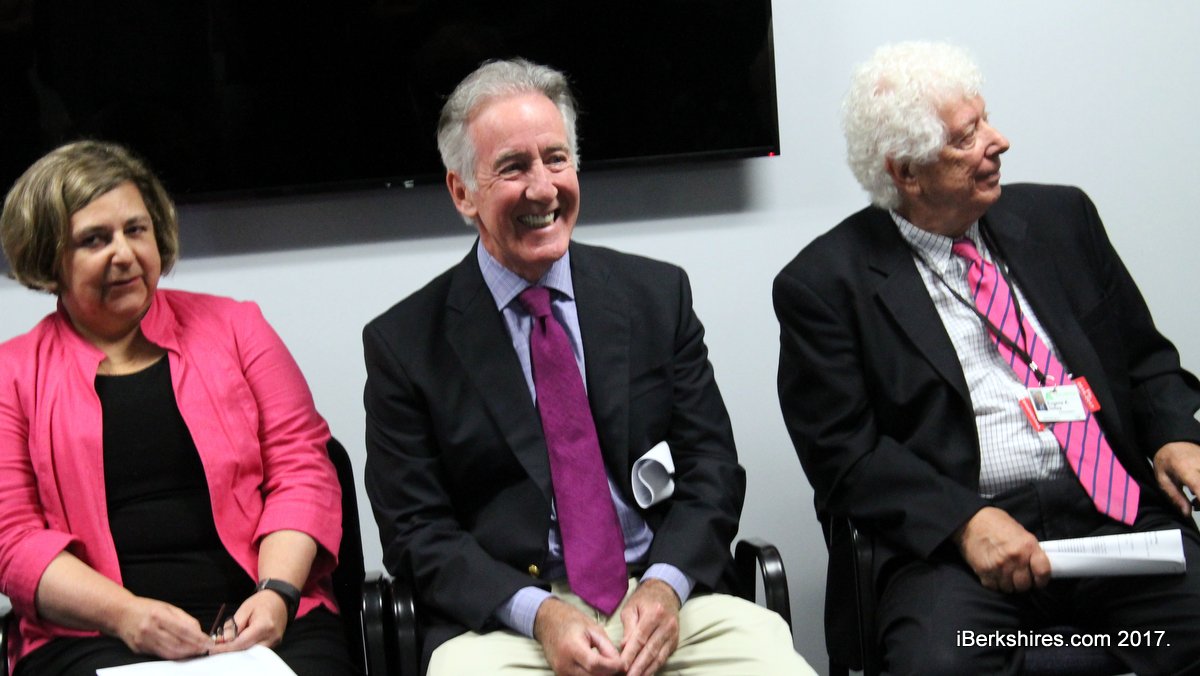
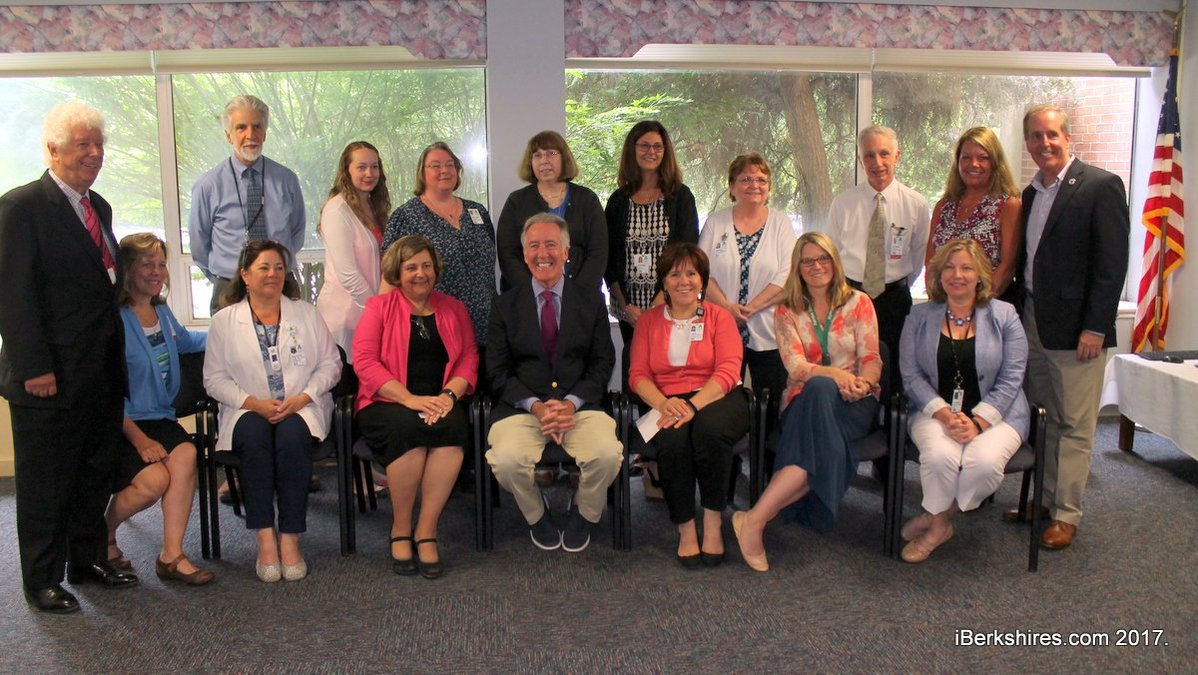
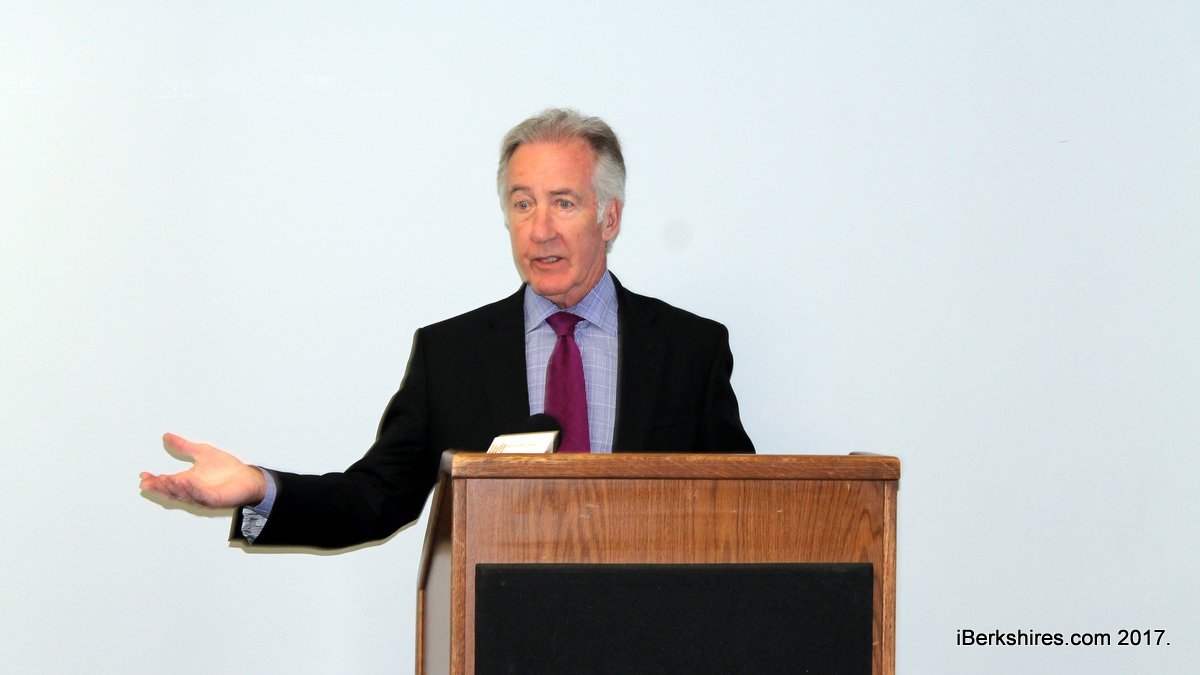
Neal announced the $98,871 grant at the hospital on Thursday.
GREAT BARRINGTON, Mass. — Since 2010, 80 rural hospitals have closed.
Another 363 are struggling to keep the doors open, according to Fairview Hospital President Eugene Dellea.
The Berkshires know that well. It has only been a few years since the former North Adams Regional Hospital closed up.
On the federal level, massive changes to healthcare delivery could be looming, making hospitals unsure of how to plan for the future.
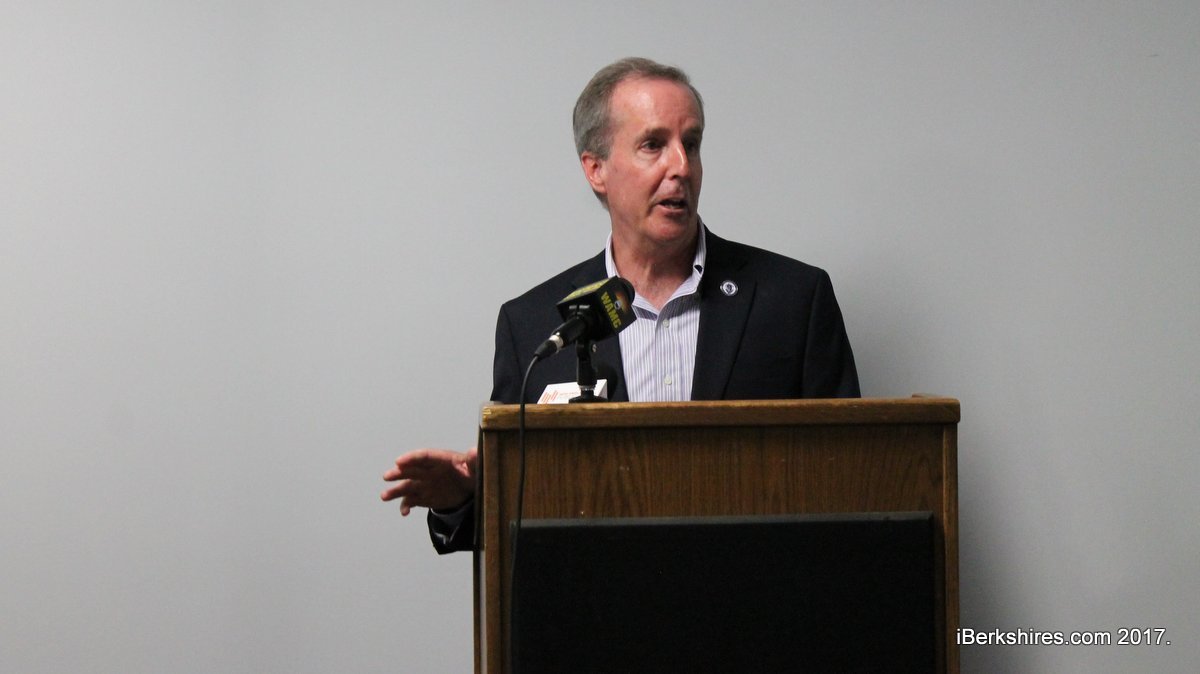
"We are fortunate here at Fairview. We have the support of a huge health system in Berkshire Health Systems. We have the availability of a lot of resources that other small hospitals don't have. But we still have those same challenges that the rural hospitals in Idaho, Wyoming, or Kansas has," Dellea said.
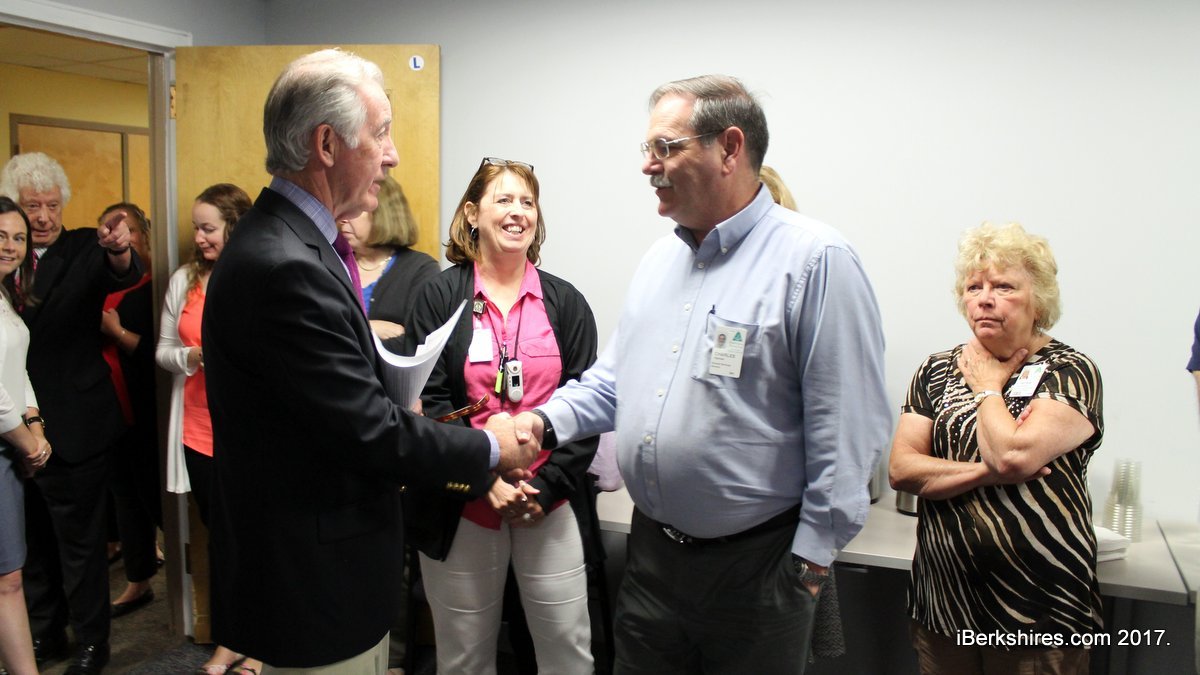
On Thursday, U.S. Rep. Richard Neal, D-Springfield, visited the hospital to announce funding to help Fairview fortify itself. The hospital will receive a $99,871 planning grant from the U.S. Department of Health and Human Services Rural Health Network Development Planning Grant Program.
"This grant will help us by getting an opportunity to look into the future about what rural health care is," Dellea said.
"Rural health care is a bit different from urban care. We are challenged with different issues - the distance of care, affordability of the communities we serve, and transportation is an issue for us."
Doreen Hutchinson, vice president of operations, said in the next 10 to 12 months, the hospital will team up with Community Health Partners and Eastern Mountain Medical to craft a plan to expand access to health care among the rural towns.
"Access to population health is often an overlooked aspect of the right to health. Without practical access, the right to health is sometimes just an empty promise that we give people. The barriers of the lack of health care professionals, geographic climate conditions, access to health care services and benefits, lack of transportation, and poor municipal infrastructure are harsh realities of those who live here in Southern Berkshire County," Hutchinson said.
CHP and Eastern Mountain Medicare the two formal partners, she said, but others included in the planning will be the Berkshire Visiting Nurses Association, Berkshire Medical Center's psychiatric care, Berkshire South Community Center, Railroad Street Youth Project, Grace Episcopal Church, Multi-Cultural Bridge, Southern Berkshire Regional School District, Elder Services, the state Department of Rural Health, Canyon Ranch, and the Berkshire Alliance for Health.
"The newly formed network would build capacity and also needs to build an infrastructure to enable all of us to increase access to care for the southern Berkshire communities," Hutchinson said.
The planning will entail updating the community needs assessment, crafting a strategic plan, and developing an enhanced network of care. Throughout the planning, the community is expected to be engaged through forums and in a year, the group will be looking for another grant to implement the new plan.
"We are looking at the future. We are not just looking at what we are going to do over the next 10 to 12 months but also planning so we can have access to other funding to implement it," Hutchinson said.
The Congressman said he has 11 hospitals in his district which all contribute to Massachusetts being a leader in delivering health care and providing jobs. But rural hospitals are threatened.
"Not only do they provide first-class health care, they have become our biggest employers, good jobs. And rural hospitals always are a challenge, mainly because all of the teaching hospitals tend to be located in large, urban centers. The teaching hospitals in Massachusetts derive a disproportional benefit because of what is known as graduate medical education," Neal said.
Fairview has particularly survived because of its association with Berkshire Medical Center and through a designation of a "critical access" hospital which gives it a higher reimbursement rate through Medicare.
"Here at Fairview Hospital, 43.5 percent of the revenue comes from Medicare. Medicare is still the most reliable payer in the American health care system. Then if you add Medicaid, 28.2 percent, and private payer, 24.6 percent. That's where the dollars come from. When you look at this you come to the conclusion quickly that the average reimbursement rate for hospitals across the First Congressional District overwhelmingly come from Medicare and Medicaid," Neal said.
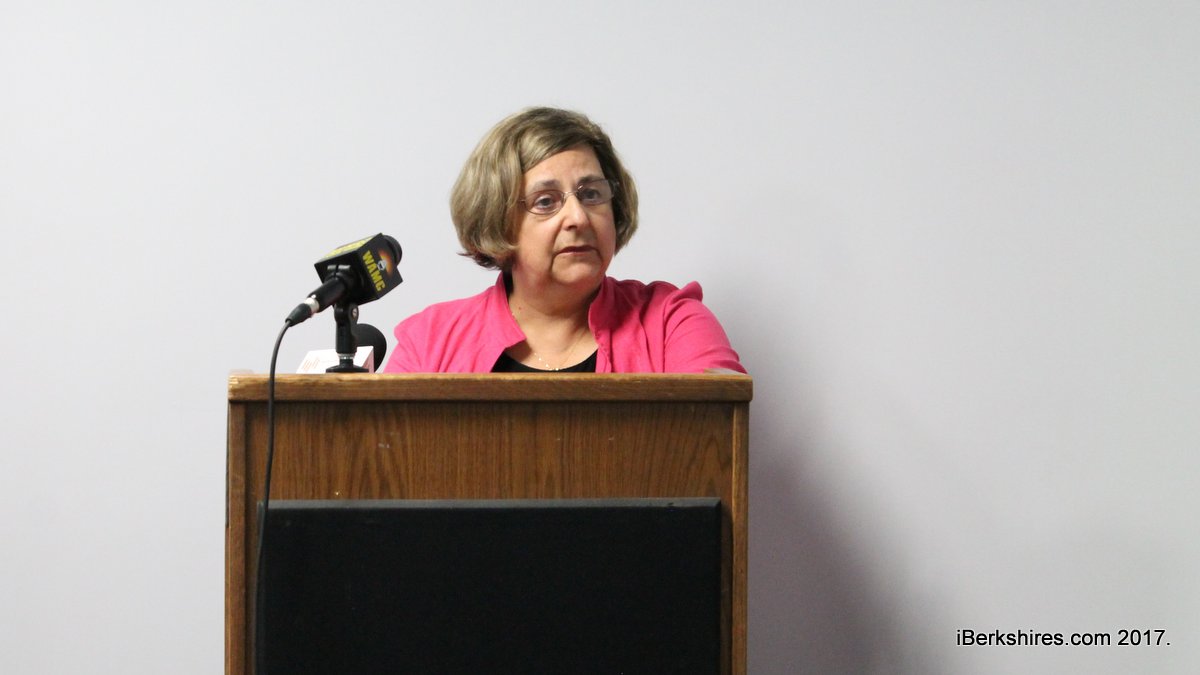
Doreen Hutchinson said the money will be spent on the development of an enhanced network of care with community partners.
"You cannot deny today that 23 million more Americans have health insurance than before the Affordable Care Act. But you can't put your head in the sand either and say there haven't been some problems with it. The problems, overwhelmingly, have been in the single-market space. The individual who purchases private health insurance. It is about 8 percent of overall expenditure but is about 100 percent of the bad stories," Neal said.
"If we were in a more reliable and stable political system, we would have gone back and repaired these things."
Neal said in the past the government fixed problems with Medicaid Part D and it has since become accepted and liked. He believes the same can be done with issues facing the Affordable Care Act.
"The reason mom and dad are not living in our attics, is because of Medicare and Social Security. And now, Medicaid's expansion. This debate where you could arbitrarily kick 23 million people off of health insurance is mistaken," Neal said.
Particularly, he says the pre-existing condition component and the mandate that all citizens have insurance are key pieces to retain.
"That's why the mandate became so important. It is the most controversial part of the plan. People say 'why should I have health insurance?' Well, because the rest of us all pay $1,000 a year in our private health care plans to supplement those who don't have health insurance," Neal said.
"The idea of insurance, actuarial-wise, is to spread risk. The latest plan says, 'well, are you going to buy insurance after you get sick?' If you follow that logic then you say if my house burns down then I'll buy homeowner's insurance. If my car is hit, then I will buy automobile insurance."
The ACA was based on Massachusetts' plan, which was developed in 2006. The state's universal health care plan was the foundation for which the ACA was crafted.
"In 2006 we said we couldn't wait for the federal government to start doing things because health is really an issue for Massachusetts. We did health care for all and it was really the model of the Affordable Care Act. We've always been leaders in dealing with health care," state Rep. William "Smitty" Pignatelli said.
The importance, according to Neal, is more than just keeping people healthy. Health care is one of Massachusetts biggest industries.
"It is a big employer and people come from all over the work to Massachusetts because of the superior quality of our doctors, nurses, and health care professionals. It is industry in Massachusetts as well as first class health care," Neal said.