Williams Bookstore is Williamstown's New 'Hangout'
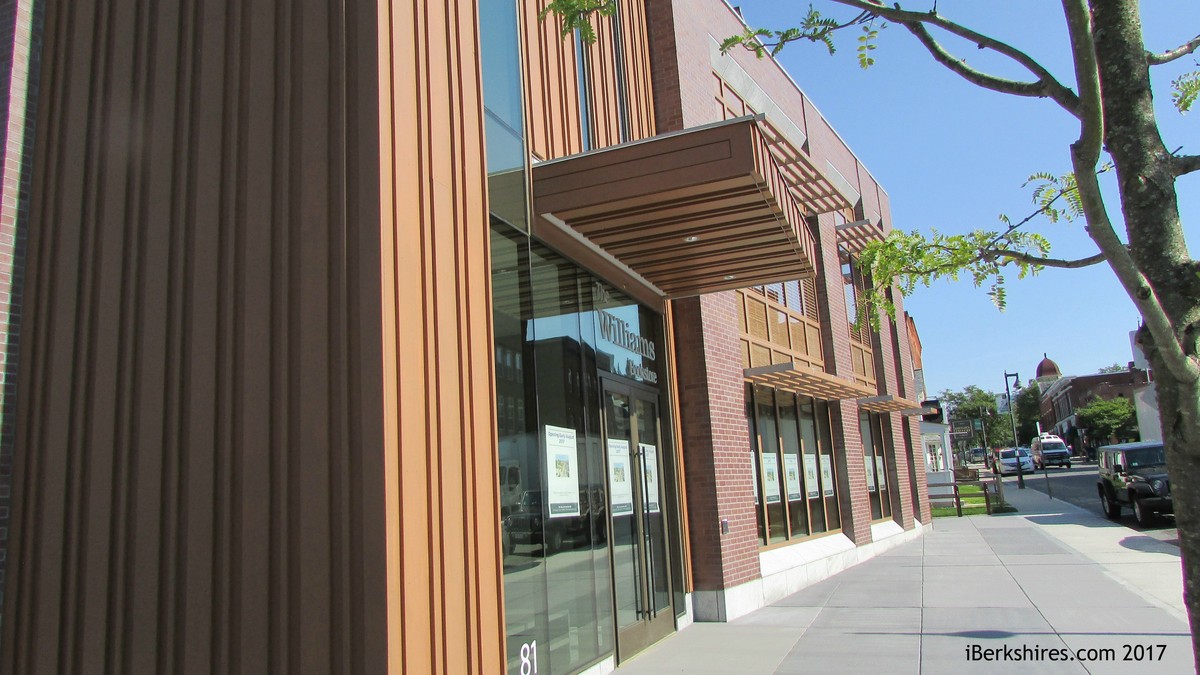
The view up Spring Street from just outside the new Williams Bookstore. The Chamber of Commerce will have preview on Thursday night.
And non-students are very much part of the plan as well.
"I see this as a place for students," manager Richard Simpson said while showing off a second-floor conference room that overlooks the downtown commercial district. "Water Street Books was great, but we really only got students when they had to come in or when they needed something. Now, I'm hoping it's going to be a matter of, 'Hey, let's hang out at the bookstore.' "
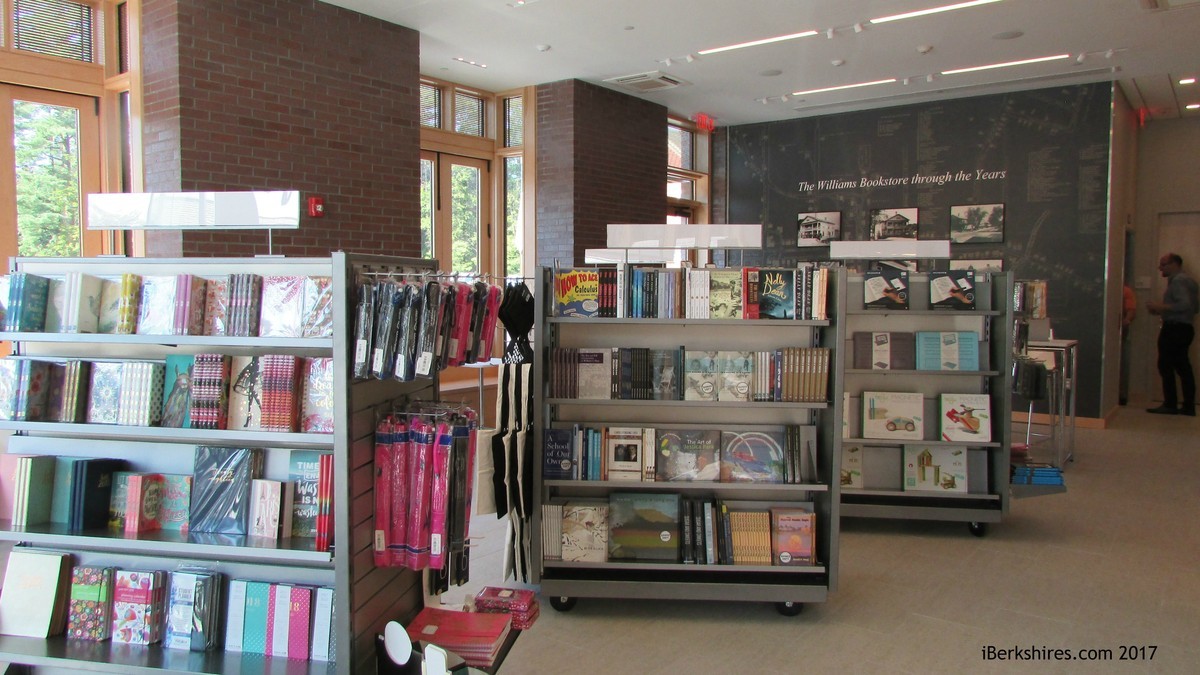
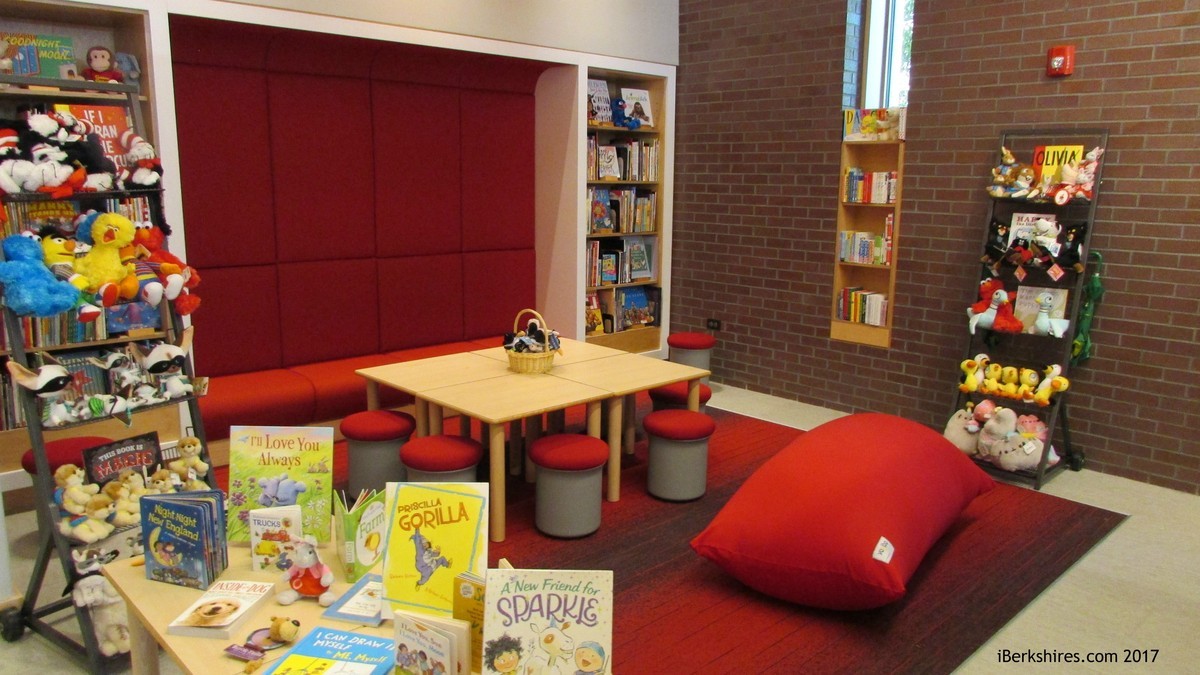
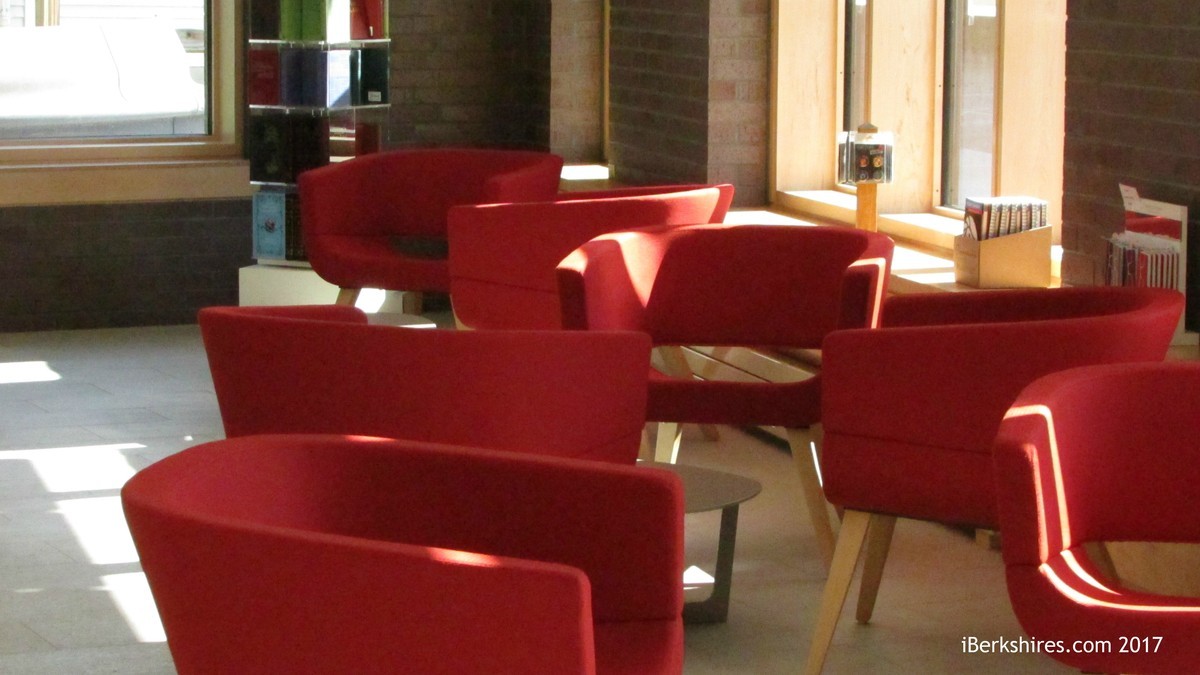
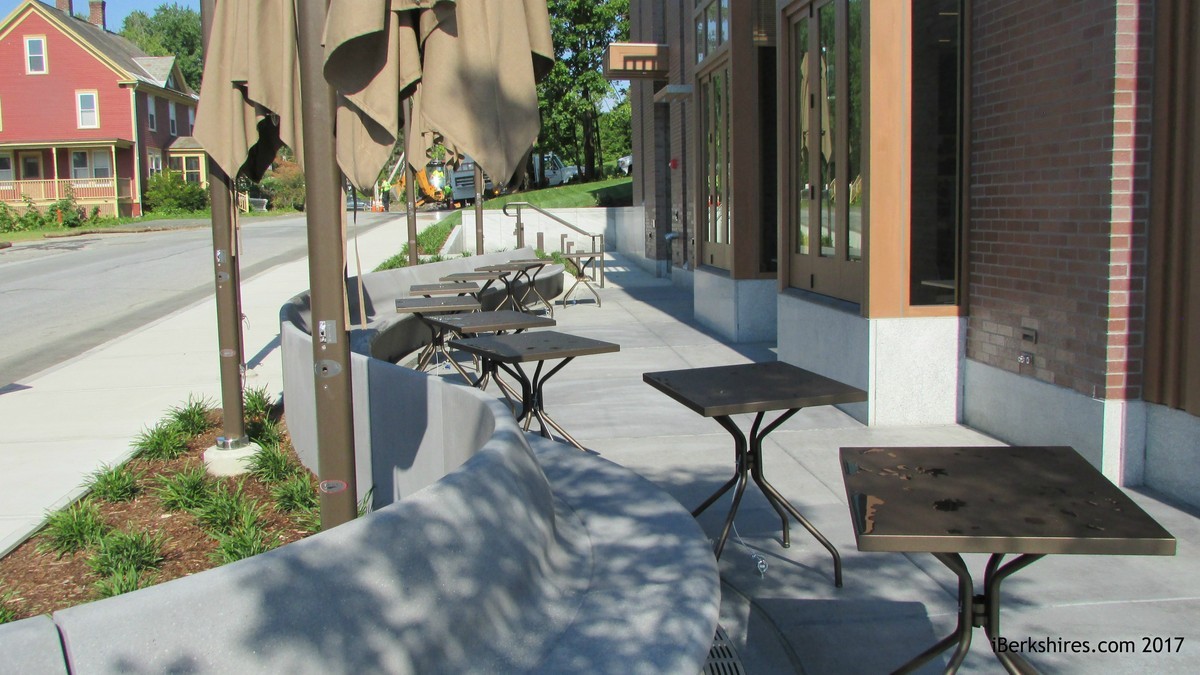
From its outdoor seating area to its ample cushioned seats inside to its inviting shelves of popular literature, its well-lit spaces and its cafe, everything about the bookstore screams "hang out here."
The Williamstown Chamber of Commerce is holding a sneak preview of the store on Thursday evening ahead of its "soft opening" to the public this weekend.
On Thursday morning, Simpson and construction manager Michael Wood showed off the public areas of the three-story building at the corner of Spring and Walden Streets.
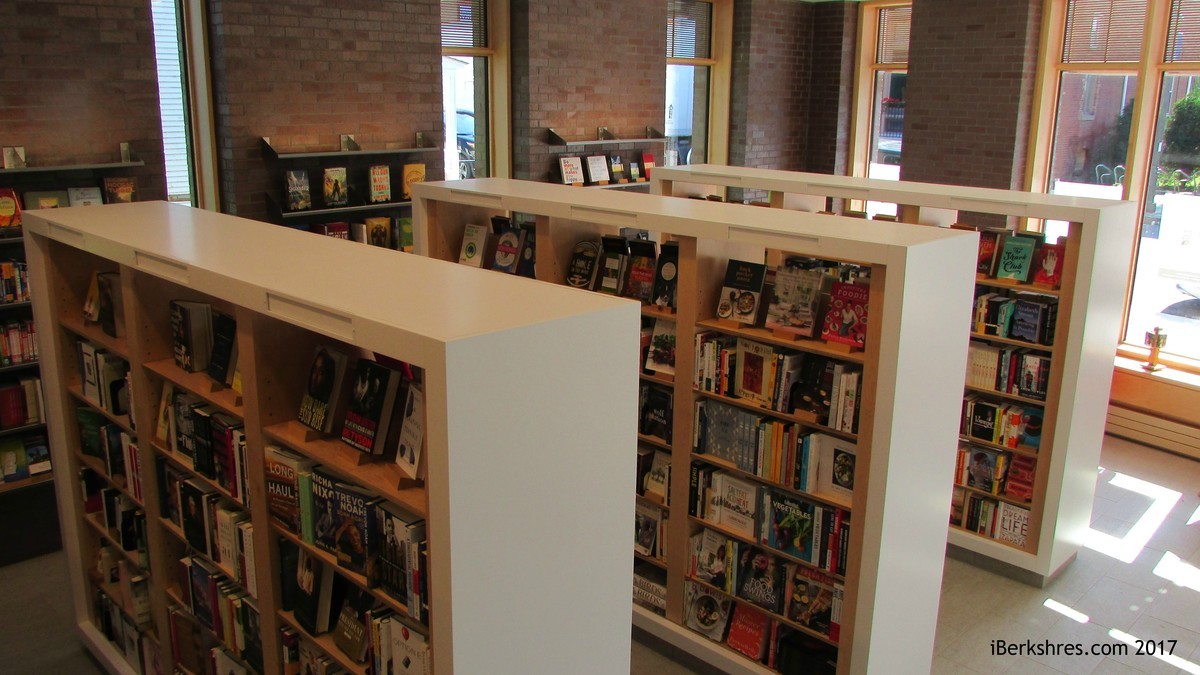
"The trade books are on the first floor because it's a community bookstore as well as a college bookstore," Wood explained. "They wanted to make sure it wasn't just your standard campus bookstore. One of the ways they wanted to achieve that, from a design standpoint, is that when you walk in, you're are in the trade book section.
"That's also where the cafe is because we want it to be a community bookstore first and foremost."
The cafe, operating as Uptown Tunnel Coffee, will be operated by the owner of Tunnel City Coffee, a mainstay across Spring Street from the bookstore's location. Owner Paul Lovegreen told the Board of Selectmen last month that he plans to operate the bookstore location until 10 p.m. daily.
The bookstore will be open from 9 a.m. to 8 p.m. Monday through Saturday and from 10 to 5 on Sundays, Simpson said.
Visitors will find the same wide selection of popular titles that drew them to Water Street Books, but the feel of the retail space will be very different.
"Probably, if you measure foot by foot, there would be a little less [shelf space], but we're using it more efficiently," said Simpson, who was at Water Street Books for nearly two decades. "You'll see there are a lot more faceouts. You see the books are displayed better. It's much brighter, and I think there's a better continuity throughout the store.
"And it's more flexible. You can actually move the shelves if you want to. Water Street had a nice, maze-like feel to it. But it was very difficult to move sections."
Flexibility is the watchword throughout the store, which takes up two stories of the new building [the third floor, entered from the Walden Street side, is the new home of Overland Summers].
On the south side of the building, just off the cafe, the floor space has rolling display cases that can be easily moved out of the way to create a 50-seat space for lectures and author talks.
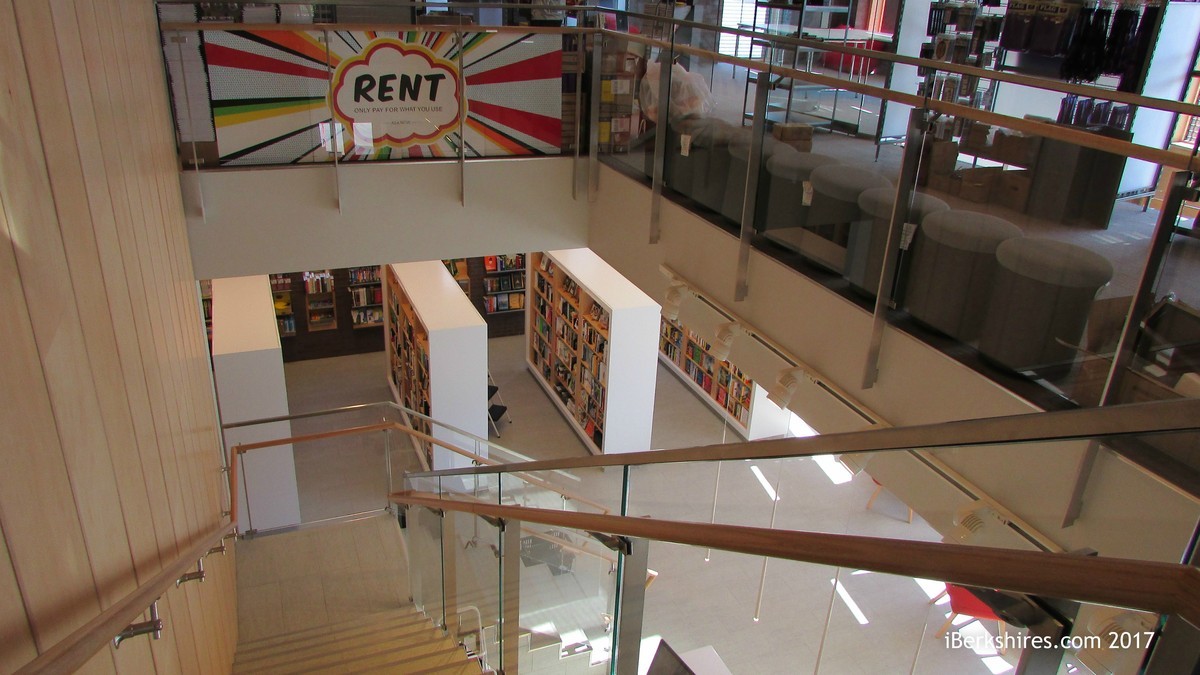
Upstairs, the conference room, which already is attracting interest from writers' groups, is created with retractable glass walls that can be pulled back to create more retail space if needed during the semester-opening book rush.
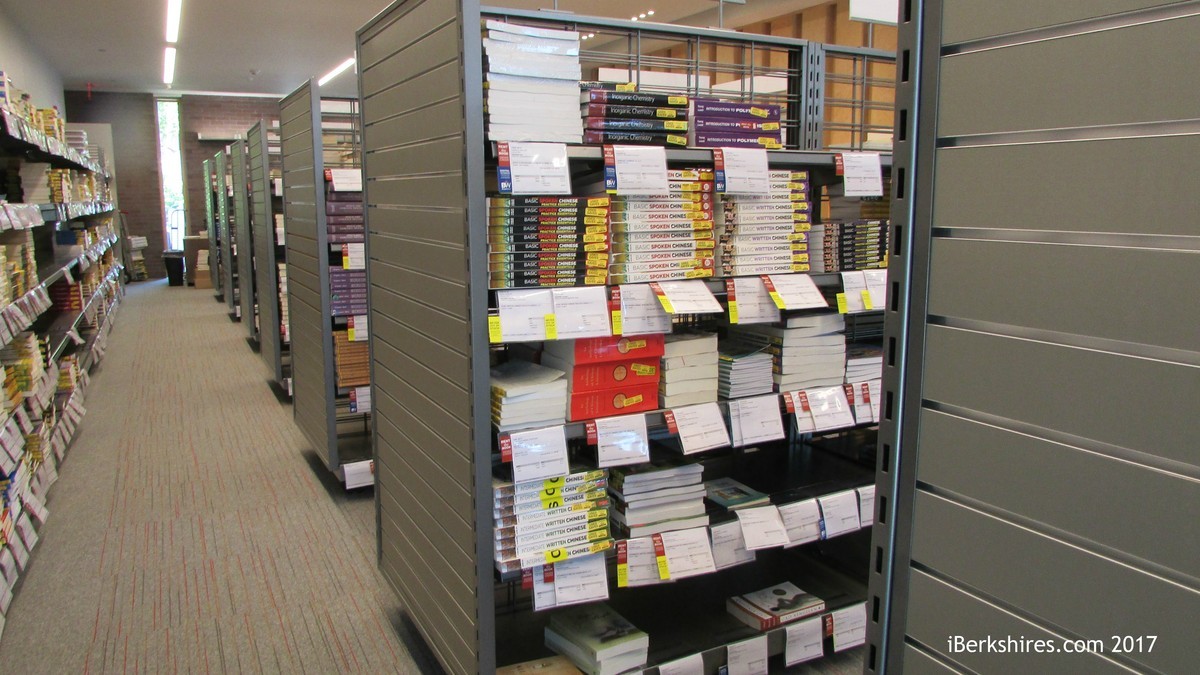
In addition to the conference room, the second floor is devoted to school supplies, clothing, gifts and, of course, course materials.
"You can rent a lot of the books, and there's a digital option," Simpson explained.
About a quarter of the store's inventory has a digital download option through a service called BryteWave.
"Any time we find there's a digital option [for a title], we put it out there," Simpson said. "Students consume their books at all different levels. Our rental program has been huge."
The bookstore building's total square footage is 14,257, about a third of which is devoted to the office space on the third floor. The vast retail space on the first two floors has allowed Simpson to add a significant inventory of clothing and gifts that were not available at the old Water Street location.
"We're hoping everyone will visit the second floor," he said. "That is why we have the big staircase there that draws your eye up.
"This is a new section for us because we never had clothing. We had some gifts, and there was a school supply section, but the supplies were all the way in the back with the course material. I'm hoping folks in town will know we have school supplies for them, too."
In keeping with the college's initiative to reduce its carbon footprint, the new bookstore was built to LEED Gold certification standards.
Wood said Thursday that the $10.5-million project has exceeded its own ambitious target for energy use intensity. Planners shot for an EUI of 40,000 BTUs per square foot per year, but now that the building is built, models are projecting an EUI of 39,000.
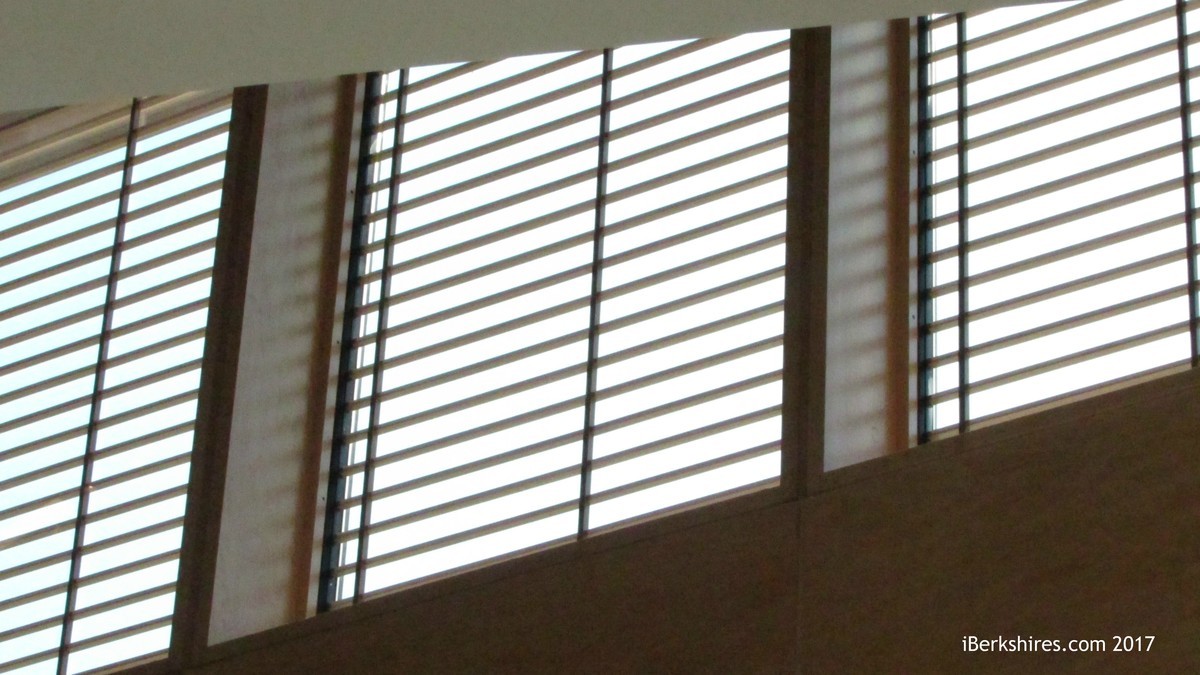
The energy savings are created through things like the use of LED lighting throughout and specially designed windows with "Oakalux" glass from a German manufacturer.
"If you look at them, there are wood slats between the panes of glass," Wood said. "That's a sustainability feature so in the summer you get shading and, in the winter, it allows the sun in.
"The slats are fixed. Basically, in the factory, they take your latitude and figure out the angle for the sun, and that's what they determine the [slats'] spacing on."
Tags: new business, books, open house, retail, spring street, Williams College,