Jacob's Pillow Offers Year-Round Programming Through May
BECKET, Mass. — After celebrating its record-breaking 85th anniversary season, Jacob's Pillow announces new, expanded fall, winter and spring programming as a main component of Vision '22, a strategic approach to the Pillow's transformation into a year-round center for dance research and development and a civic partner in our region.
Highlights include the launch of the Pillow Lab and the In Process Series, a series of 12 customized artist residencies open to an intimate, invited audience; year-round events consisting of convenings, social dances, Pillow Pop-Up performances and community programming; and co-presentations with Berkshire County cultural partners including the Mahaiwe Performing Arts Center, Mass MoCA and the '62 Center for Theatre and Dance at Williams College.
Programming additions reflect interviews that Jacob's Pillow conducted among a diverse group of 36 choreographers living and working in the United States. A field-wide scan was conducted to examine existing and developing choreographic residency programs at peer institutions to inform how the Pillow Lab fits within the overall national dance ecology with a distinctive mission, vision, goal and approach. The community engagement strategy has emerged from community fora and one-on-one meetings with community partners where the Pillow staff and Trustees have listened to what the needs of its region are.
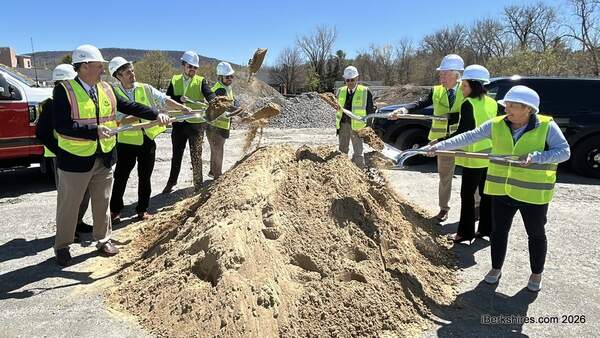
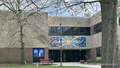
Jacob's Pillow’s year-round programming is made possible by the expansion of campus facilities, including additional on-site housing and the $5.5 million, 7,373-square-foot Perles Family Studio, designed by Flansburgh Architects of Boston and described as a "study in cutting-edge design" by Architectural Digest. The Barr and Mertz Gilmore Foundations have provided seed funding to launch elements of the Pillow Lab and community engagement initiatives.
"We are thrilled at the promise of animating our campus beyond the ten-week summer Festival to achieve the goals of Vision '22," said Jacob's Pillow Director Pamela Tatge. "This shift represents an exciting evolution in the scope of Jacob's Pillow. We are strengthening our artistic core by investing in the creation of new work and giving artists the opportunity to dream and experiment; we are utilizing our new facilities to bring people together to learn, develop, and discuss issues that are facing the dance field regionally, nationally, and internationally; and we are working as active citizens in Berkshire County by boosting our civic and community engagement in the region."
The In Process Series at the Pillow Lab offers the opportunity to work in the Pillow's retreat-like atmosphere and state-of-the-art studio spaces, including the brand-new Perles Family Studio. This season expands upon previous years with 12 residencies, including eight developmental residencies, two technical residencies, one research residency, and one Jacob's Pillow Curriculum in Motion (JPCiM) residency. Now with the ability to host more than one residency at a time, this year’s series includes representation of artists from around the United States including Seattle, Minneapolis and New York, and two international companies from Cuba and Australia.
Customized residencies offered through the In Process Series give artists the time and space to research and develop new work with varying levels of technical aspects and research components, including the opportunity to fund an essential "outside eye." They include access to the Pillow's Archives, free housing, a stipend and filmed archival video footage, and conclude with a private, informal showing for an intimate, invited audience that provides reactions, feedback and questions. The work created at the Pillow during this series may be at varying stages of development and may or may not be performed at the Festival. Artists that take part in the Pillow Lab are chosen through a closed selection process.
Colleges involved in the Pillow’s College Partnership Program are also invited to take part in residency showings, connecting dance faculty and students in the region to the artists in the Pillow Lab. More information is available on the Pillow's website.
Jacob's Pillow year-round events include convenings, social dances, pop-up performances and community programming on-site of the Pillow’s 220-acre campus and off-site in neighboring communities, increasing engagement with Berkshire County and the New England region at-large.
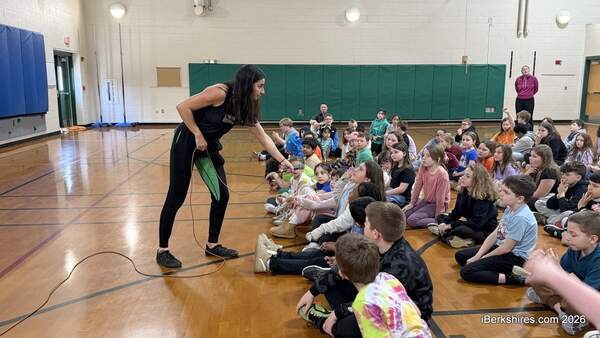
Additionally, Jacob's Pillow Curriculum in Motion (JPCiM) will begin the expansion of its nationally-recognized, arts-integrated curriculum program which links choreography, kinesthetic intelligence, and critical and imaginative thinking to academic learning in subjects such as social studies, biology, math, and Spanish. This academic year, JPCiM will expand to Morningside Community School in Pittsfield and Muddy Brook Regional Elementary School in Great Barrington, beginning the implementation of its goal to extend the program to all all eight Pittsfield elementary schools over the next five years. More information is available on the website. www.jacobspillow.org.
Tags: jacob's pillow,