Tired of Trash Talk, Council Returns Toters to Tyer
PITTSFIELD, Mass. — After a year and a half and a dozen or so meetings, the mayor's trash proposal is basically back where it started.
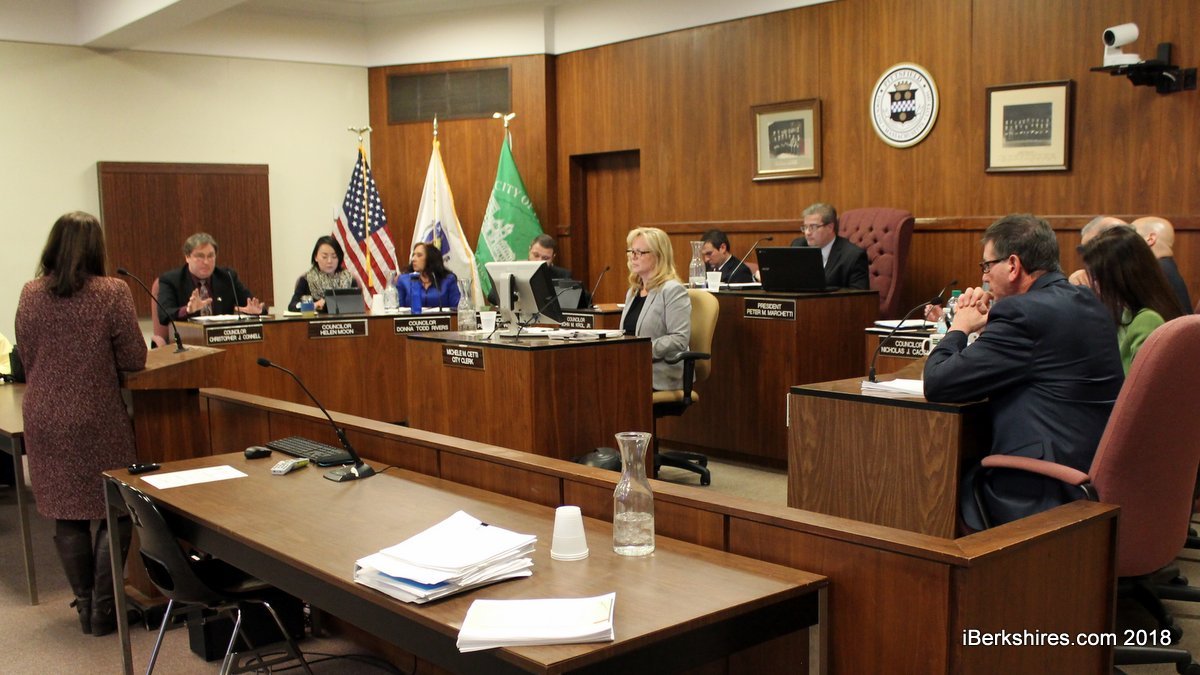
The City Council returned the proposal to overhaul the garbage collection system back to Mayor Linda Tyer, asking for a revised plan. The proposal was crafted through the Resource Recovery Commission, which first met back in September 2016, but after three lengthy meetings at the City Council in recent months the councilors felt it was too flawed to be saved.
"I'm not convinced the toter system is right for Pittsfield," Council Vice President John Krol said.
Krol has been particularly concerned with the upfront cost for the city to purchase the 96-gallon and 45-gallon toters for residents. The $1.4 million upfront investment would have purchased enough toters for every city household to put garbage and recycling in. Rubbish would be restricted to the 45-gallon toters unless a resident purchased overflow bags.
Krol urged the council to send the proposal back to Tyer to see if she can craft a plan that more people can get behind — and one that Krol feels will avoid the upfront costs to get it started.
Not everybody on the council wanted to let that particular proposal leave its jurisdiction. Council President Peter Marchetti considered holding another council of the whole meeting and have a process to systematically gather amendments — making it so essentially the council was rewriting it in a way they see fit. He said it is the council's job to dig into the weeds of the proposed ordinance, make changes, and then vote on it.
Councilor at Large Pete White had already drafted a handful amendments to do just that — including raising the size of the garbage toter to 65 gallons — and wanted to see the ordinance be sent to a council subcommittee.
"I think it is a mistake sending it to O and R. I think there is too much that may need to be changed," responded Ward 4 Councilor Christopher Connell.
Meanwhile, Councilor at Large Melissa Mazzeo is calling for a large community meeting. She said the proposal has been moving too quickly through the council process and wants to slow it down. She wants to have a large town hall type meeting to which residents can bring their concerns.
Ward 3 Councilor Nicholas Caccamo, whose request to the administration to consider a toter plan was the impetus for the ordinance, said enough thought and discussion had gone into it already. Caccamo had sat in the audience for every meeting of the Resource Recovery Commission, which went through the various pros and cons of the system.
He said residents have since then made their opinions abundantly clear on the matter and the councilors have done their own research.
"Homework has been done on this proposal in one form or another. I am ready to vote on this," Caccamo said.
The administration had laid out the costs, with an expected savings of somewhere between $89,000 and $200,000 depending on how much waste is reduced; reasoning for how the system would combat blight; and the benefits of recycling. The plan is eyed to increase the city's recycling rate from a dismal 11 percent and thus reduce the amount of trash the city pays to dispose of.
But the devil is in the details and it was the details that caused a hold up at the council. Councilors had questioned how senior citizens would handle the toters, how enforcement would be done, the details of the city's contract with Republic Services and Covanta, how it would work on certain roads, whether or not it would go to bid, and the ins and outs of the daily operations.
And the councilors heard a lot from the city's residents. The debate over the move from unlimited garbage pickup has been one of the most talked about ordinances in recent memory.
"I have a lot of concerns. I have a lot of constituents that are not happy with the overall program," said Ward 7 Councilor Anthony Simonelli.
The City Council has debated for multiple hours each time the toter plan came before it. After another two hours of discussion Tuesday, Marchetti urged to councilors to take some form of action because the conversations had become repetitive.
"We are continuing to spin the wheels and we need to do something different," he said.
The council overall is receptive to making some changes to the collection system and, with a 7-4 vote, asked the mayor to return with a different plan. Councilors Connell, Helen Moon, Donna Todd Rivers, Krol, Simonelli, Mazzeo, and Kevin Morandi voted to send it back to the mayor while Councilors White, Marchetti, Earl Persip, and Caccamo voted against.
Following the meeting, Tyer refused to issue a comment on the vote or provide any insight on her next steps. The toter plan had been cited by the mayor on multiple occasions as a priority — starting in the budget book and just a day earlier in her state of the city speech.
Tags: trash,