Pittsfield Health: Flu Has Rapidly Increased In Last Two Weeks
PITTSFIELD, Mass. — There has been a 44 percent increase in flu symptoms in just the last few weeks.
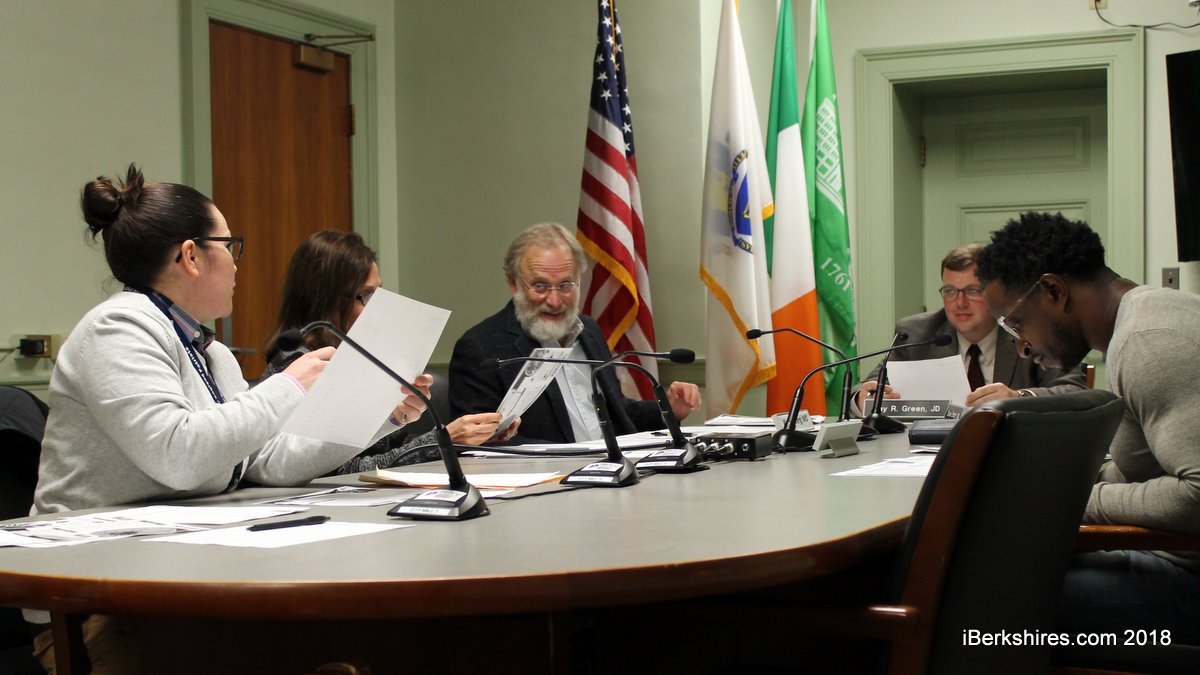
Public health nurse Kayla Donnelly-Winters said there have been 32 total cases of influenza confirmed in Pittsfield since Oct. 1. That is compared to just 15 in the same period of time last year. But the numbers had jumped in the last few weeks.
"Flu season has been especially ramping up in the last few weeks. It has been a lot worse," she said. "Two weeks ago, activity was still considered low. Now it is considered moderate but we are at the top of moderate, almost into severe."
Nationwide there have been 13 pediatric deaths in just the last week whereas the entire year before there were 85.
"The CDC isn't sure whether it is peaking now or it is just going to be a very bad flu season," Donnelly-Winters said.
She later added, "we expect it to get worse, hopefully not too much worse."
Donnelly-Winters said she's read multiple cases of young, healthy people who have died from complications of the flu — so it isn't just the elderly who are susceptible. She said there is still time to get vaccinated.
"You are not just protecting yourself, you are protecting your loved ones," she said.
The vaccines for the type of flu going around right now are only about 30 percent effective, she said, but that is still better protection than not getting a shot at all. Otherwise, she recommends the typical sanitary prevention measures — washing hands, coughing into arms, not going to work sick, and sanitizing surfaces. Board of Health member Jay Green said the flu virus can survive on a surface for four hours.
The sudden burst of flu cases in the area had led Berkshire Health Systems to implement visitor changes to reduce the spread of the disease — a measure often taken when there are influenza outbreaks reported.
While Donnelly-Winters is monitoring that, she is also hoping to get a head start on tick-borne illnesses. Pittsfield and Berkshire County saw an increase in various tickborne illnesses in the last few years and Donnelly-Winters hopes to get some preventative measures in place before the season comes back.
From April until the end of 2017, there were 118 cases of Lyme disease, 33 cases of HGA, two cases of babesiosis (similar to malaria), and a single case of Ehrlichiosis (flu-like). Throughout 2017, Donnelly-Winters has been sounding the bell about the sharp increase in these cases since 2014 — such as with Lyme, when there were just 51 cases in 2014.
Berkshire County is seeing some of the highest number of cases of HGA, human granulocytic anaplasmosis, in the state, she said. The infectious disease can cause headaches, fever, chills, myalgia, and malaise. The biggest preventative measure the city's Health Department can do is raise awareness of the issues and tell residents how to protect themselves.
"Almost everyone I talked to did not know they had a tick on them so that means they aren't checking themselves," she said.
She has also been following data and going to conferences to find out more about what is happening with the tick populations. One tool she discovered is a group from University of Massachusetts at Amherst that tests ticks for the various diseases. The Powassan virus (which can cause encephalitis and meningitis) was found in upstate New York last year and the testing can help verify the prevalence of it here.
She and Health Director Gina Armstrong are looking into making that testing available to residents a low cost. Residents can mail the tick to the university — following an order through TickReport.com — and pay for the test. But, if the city wants to do something more collectively, the university may be able to provide a discount.
"Several municipalities were able to get the cost way down, to no cost for some people or $15 as a cost to the resident," Armstrong said.
Dr. Alan Kulberg said testing isn't done often. If a patient has symptoms of Lyme disease, the doctor typically treats for it rather than awaiting confirmation from a lab.
"In practice, almost nobody sends ticks to the lab ... If someone has symptoms of Lyme disease, you would just treat," Kulberg said. "People would often ask to have the tick examined and we'd try to disabuse them of the need for that."
But Donnelly-Winters said there are many people who don't want to take antibiotics without confirming they actually have the disease. And Armstrong says she doesn't want there to be a delay in treatment. Plus, data on the tick population could be useful.
"This is just something that could be added on to how we are dealing with the tick-borne illness issue," Donnelly-Winters said.
In other business, Donnelly-Winters is trying to find out why a lower percent of city children entering the seventh grade do not have the Tdap booster vaccine (tetanus, diphtheria, and pertussis). According to the 2016-2017 data, only 57 percent of seventh graders had that vaccination — compared to the 90 percent state average. The booster is required for students at that grade level.
Kulberg suspects that the survey is taken early in the school year and often doctors will write notes vouching for the family as long as there is an appointment scheduled for it. He believes that the number would be much greater if the survey was done at the end of seventh grade.
Nonetheless, of all of the required vaccinations, Pittsfield is trending close to the state average in nearly all by Tdap. Overall, the city has fewer unimmunized students than the state average. So why that one booster is so low is a mystery.
Donnelly-Winters also said two long-term care facilities in Pittsfield have had a recent outbreak of an undiagnosed rash among both staff and residents. The Health Department has been providing information from U.S. Centers for Disease Control to help control the spread. She said the facilities have been very cooperative in trying to control it, but actually calming the outbreak has been a challenge.
Tags: board of health, influenza, lyme disease, ticks,