Mount Greylock Transition Committee Settles Tuition Rate
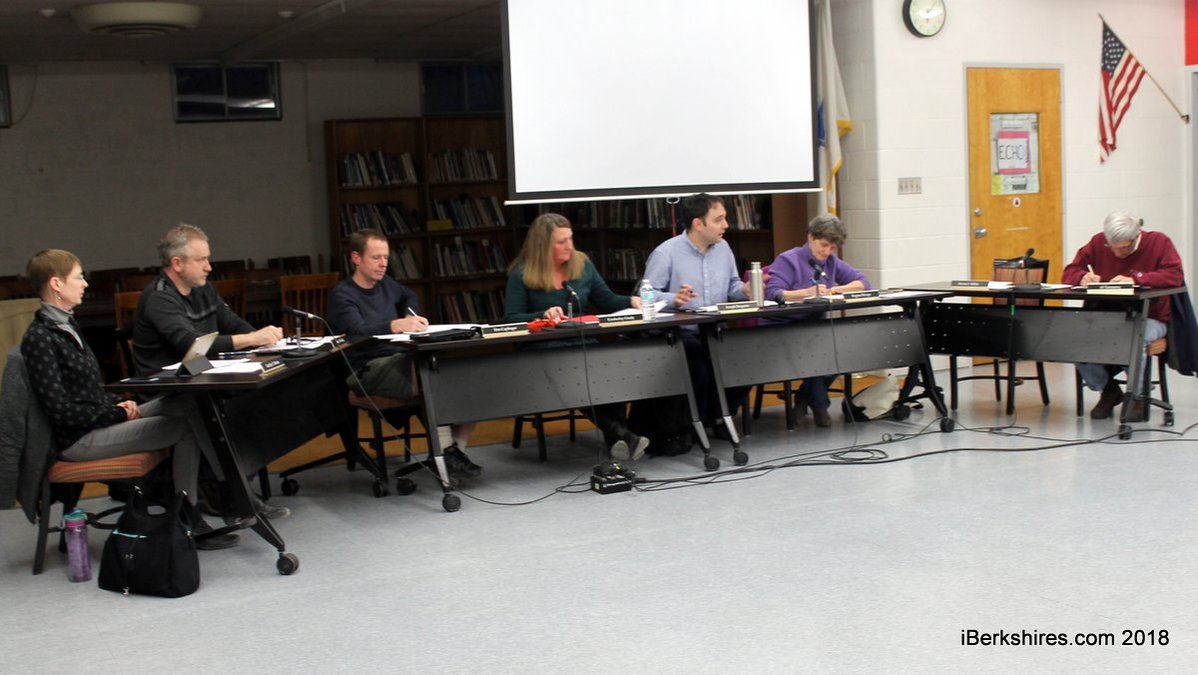
WILLIAMSTOWN, Mass. — The Mount Greylock Regional School Transition Committee is sticking with previous agreements when it comes to the tuition rate.
The committee agreed to set a split rate — $14,477 for New Ashford and Hancock students attending Mount Greylock Regional Middle and High School and $17,314 for New Ashford students attending Lanesborough Elementary. Those figures are in line with votes the legacy school committees had adopted in prior years.
"Although it is not necessarily the norm, it is within our realm of possibilities to have two separate tuition rates," said Chairman Joe Bergeron.
It was four years ago when the Mount Greylock School Committee entered an agreement with those towns for the middle and high school that slowly ramped up the price tag. That agreement has one final year left, which sets the price at $14,477 for the coming year.
After that, the tuition rate will be set at the per-pupil expenditure rate set by the Department of Elementary and Secondary Education for the newly created district.
"For 7-12 it makes sense. It sticks with what the Mount Greylock Regional School District would have done if we had not regionalized," Bergeron said.
Last year in Lanesborough, the School Committee voted to set its tuition rate at the per-pupil expenditure rate. That leads to a price of $17,314 per student for the next year. The Transition Committee agreed to stick to that policy as well, and then next year that rate will switch to the new district's per-pupil number.
"It had been discussed. The Lanesborough Elementary School Committee had taken it up numerous times during the last year school," Bergeron said, and later added, "our administration did communicate that in March of last year and it was again communicated in the fall. That is not a surprise to New Ashford."
That change causes a large jump for New Ashford to the tune of about $9,000 per student for students attending Lanesborough Elementary. The town is expected to send nine students to Lanesborough.
With the merging of the two elementary schools into the Mount Greylock district, the Transition Committee looked to set a single tuition rate. It agreed to set the cost at an average between all three schools. That would have raised the tuition for Mount Greylock from $14,477 to $17,843, and Lanesborough from $8,996 to $17,843.
Officials from both New Ashford and Hancock said the increase was too sharp and the committee decided to back off. But the news upset a few Lanesborough officials, who for years had been pressing their school committee to get to the per-pupil number.
Bergeron said he had met with both sending towns Thursday morning to discuss the issue. The split rates for the next year will ease the increase for those students attending Mount Greylock compared to what was voted by the transition committee a few months ago while still keeping the Lanesborough rate at the voted policy.
"This does unify that tuition rate as of FY20," Bergeron said of the new agreement.
Committee member Dan Caplinger, however, questioned if using the districtwide per-pupil rate is the right way to go. He said Williamstown Elementary School has a lower per-pupil cost, which brings the average down. He wondered if it would be more prudent to continue the split based on the schools the students are attending.
"Switching to a three-school average, when the towns are only going to use two of the schools, may inappropriately discount the rate," he said.
Al Terranova, however, said going with a single rate is not only easier but also eliminates any competition among the elementary schools for students. He doesn't want to see a situation where New Ashford sends its students to Williamstown just because it is a lesser cost.
"You are going into an agreement with the region. You aren't going into an agreement with Lanesborough Elementary school or Williamstown Elementary School," Terranova said.
That conversation did lead to an amendment to the agreement specifying that the district will provide spots for New Ashford elementary students at Lanesborough only and that Hancock and New Ashford's older students would both be guaranteed spots at Mount Greylock.
The agreement would still need to be approved by the two sending towns. Transition Committee member Chris Dodig said the agreement doesn't appease everybody with a stake in it, but he hopes it is fair enough that the towns can agree to it.
"I'm hopeful that Hancock and New Ashford will remain a part of our school community," Dodig said.
Tags: MGRS transition, MGRSD, tuition,